![[e]Photo Stream](/logo.png)

August 1
5 moments across history
MTV Begins Broadcasting. Music Television launched in the United States with “Video Killed the Radio Star” as its first music video
On August 1, 1981, MTV began broadcasting in the United States, opening with the Buggles’ “Video Killed the Radio Star.” The cable channel made music videos a major promotional medium and helped shape popular music, fashion, and youth culture. Its launch reflected the rapid growth of cable television and marked a shift toward visually driven music marketing in the 1980s.
MTV Begins Broadcasting MTV launched in the United States with the Buggles’ “Video Killed the Radio Star” as its first music video. Year: 1981 Context: The channel helped establish music videos as a major promotional medium, influencing 1980s music, fashion, youth culture, and visually driven marketing.
Dahomey Gains Independence. The Republic of Dahomey, now known as Benin, became independent from France

Event 2 1960: Dahomey Gains Independence. The Republic of Dahomey, now known as Benin, became independent from France Year: 1960 Context: Historical interpretation generated from the script output.

Year: 1960
On August 1, 1960, the Republic of Dahomey gained independence from France, ending French colonial rule. Independence established Dahomey as a sovereign state able to govern itself and conduct its own foreign affairs. The event was part of the wider decolonization of Africa, and Dahomey was renamed the Republic of Benin in 1975.
Warsaw Uprising Begins. The Polish Home Army launched an uprising against German occupation as Soviet forces approached Warsaw

Warsaw Uprising Begins The Polish Home Army launched a 63-day uprising to liberate Warsaw from German occupation as Soviet forces approached. Year: 1944 Context: Amid Germany’s retreat on the Eastern Front and Polish-Soviet tensions over postwar control, the uprising ended in defeat, mass civilian casualties, Warsaw’s destruction, and a severely weakened resistance.

Year: 1944
On August 1, 1944, the Polish Home Army launched the Warsaw Uprising to liberate the capital from German occupation as Soviet forces approached. The 63-day revolt ended in defeat, with massive civilian casualties, Warsaw’s destruction, and the resistance movement severely weakened. It occurred amid Nazi Germany’s retreat on the Eastern Front and tensions between Poland’s government-in-exile and the Soviet Union over postwar control.
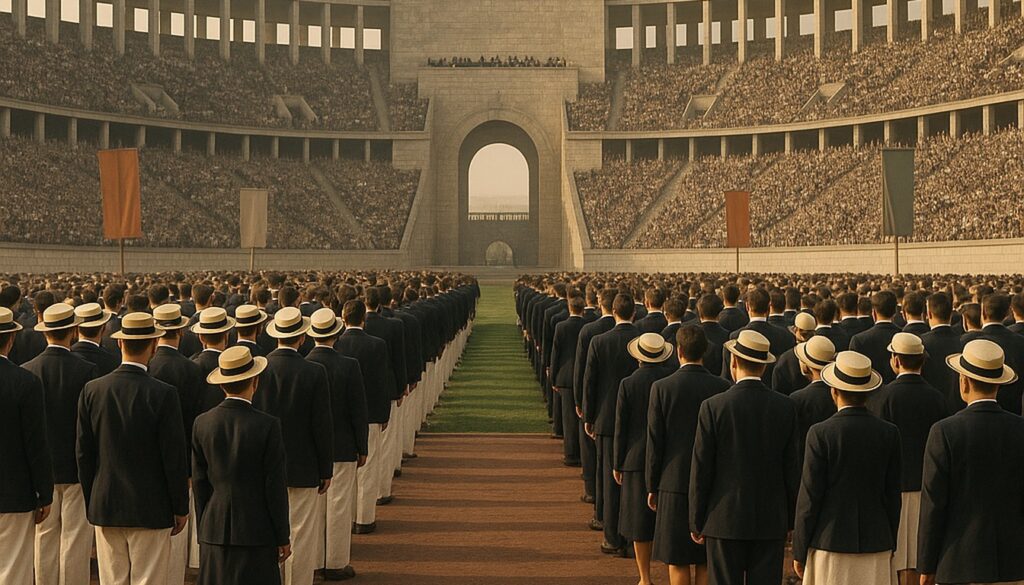
Berlin Summer Olympics Open. Adolf Hitler opened the Olympic Games in Berlin, which Nazi Germany used as an international propaganda showcase

Berlin Summer Olympics Open Adolf Hitler opened the 1936 Berlin Olympics, which Nazi Germany used as an international propaganda showcase. Year: 1936 Context: Held amid Nazi persecution and militarization, the Games projected Nazi ideals of strength, order, and racial superiority, though athletes such as Jesse Owens challenged those claims.
Year: 1936
On August 1, 1936, Adolf Hitler opened the Summer Olympic Games in Berlin. Nazi Germany used the event to project an image of national strength, order, and supposed racial superiority. Held amid Nazi persecution and militarization, the Games became a propaganda showcase, though athletes such as Jesse Owens challenged Nazi racial claims.
Germany Declares War on Russia. Germany’s declaration of war on Russia accelerated the outbreak of World War I
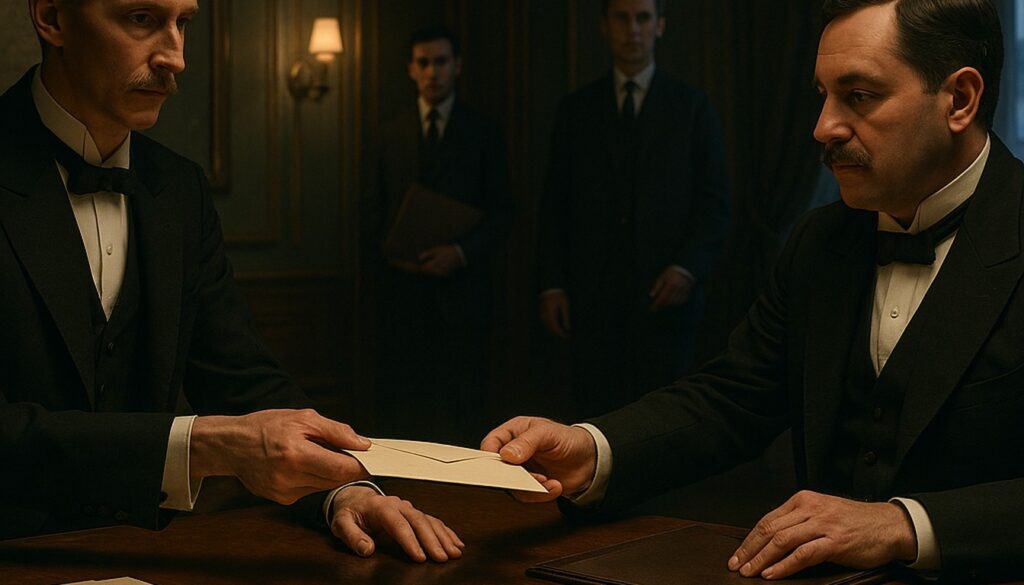
Germany Declares War on Russia Germany’s declaration of war on Russia escalated the July Crisis into a conflict among Europe’s major powers. Year: 1914 Context: Following Russia’s mobilization after Austria-Hungary declared war on Serbia, Germany declared war on Russia on August 1, accelerating the outbreak of World War I and soon drawing in France and Britain.

Year: 1914
On August 1, 1914, Germany declared war on Russia after Russia mobilized its forces during the July Crisis. The declaration transformed the escalating Balkan conflict into a war between major European powers and accelerated the outbreak of World War I. It occurred amid a web of alliances and tensions following Austria-Hungary’s declaration of war on Serbia, soon drawing France and Britain into the conflict.