![[e]Photo Stream](/logo.png)
August 26
5 moments across history
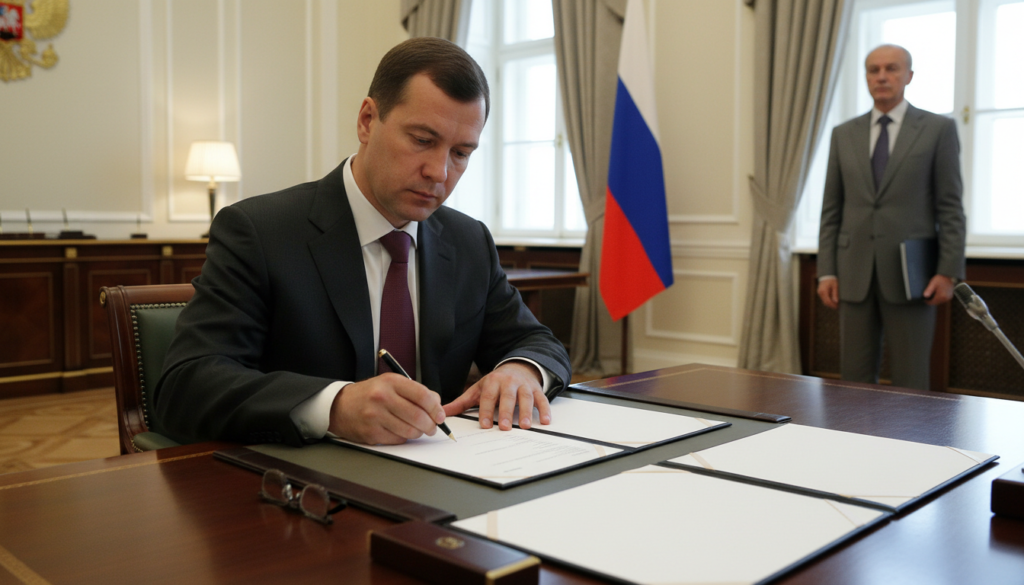
Russia Recognizes Abkhazia and South Ossetia
On August 26, 2008, Russian President Dmitry Medvedev formally recognized Abkhazia and South Ossetia, two breakaway regions of Georgia, as independent states. The move followed the August 2008 Russo-Georgian War and deepened Russia’s confrontation with Georgia and Western governments, which upheld Georgia’s territorial integrity. It marked a major escalation in unresolved post-Soviet territorial conflicts, while most countries continued to regard both regions as parts of Georgia.
Russia Recognizes Abkhazia and South Ossetia
Election of Pope John Paul I

Election of Pope John Paul I
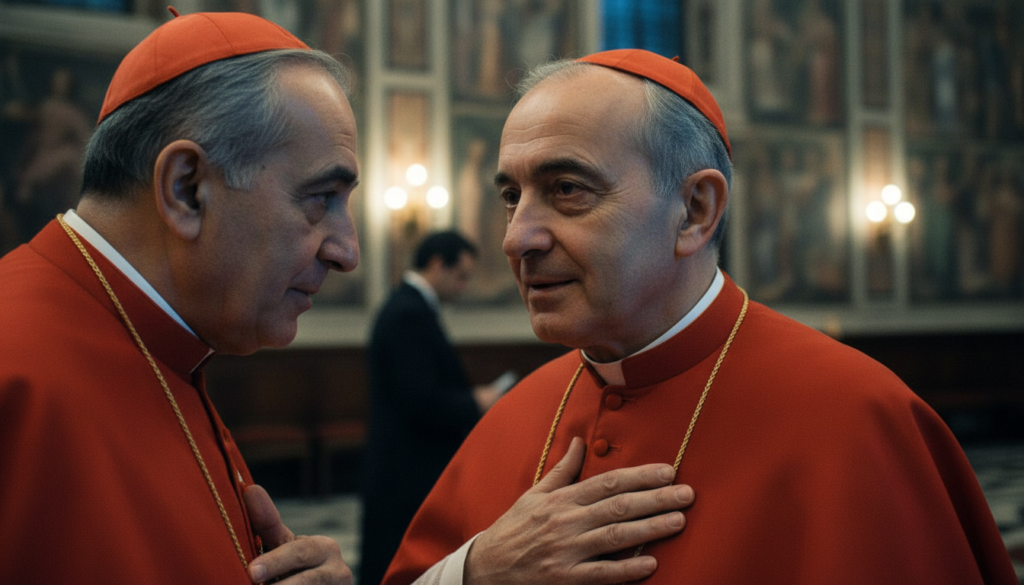
Year: 1978
On August 26, 1978, Cardinal Albino Luciani was elected pope and took the name John Paul I. His unprecedented double papal name honored his immediate predecessors, John XXIII and Paul VI, and suggested continuity with their reforms. Elected after Paul VI’s death, John Paul I served only 33 days before dying, leading to the election of John Paul II.
Women’s Strike for Equality
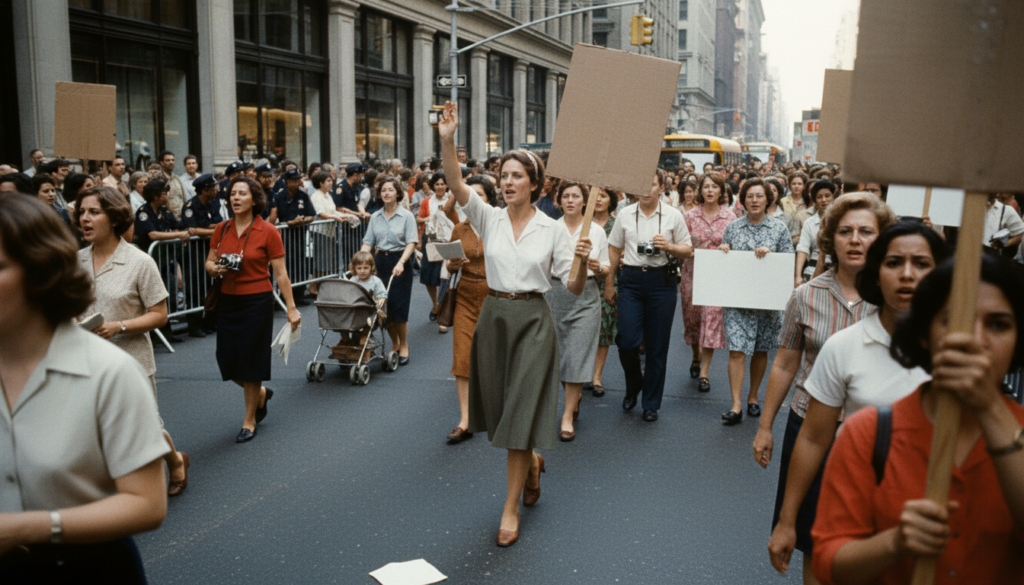
Women’s Strike for Equality
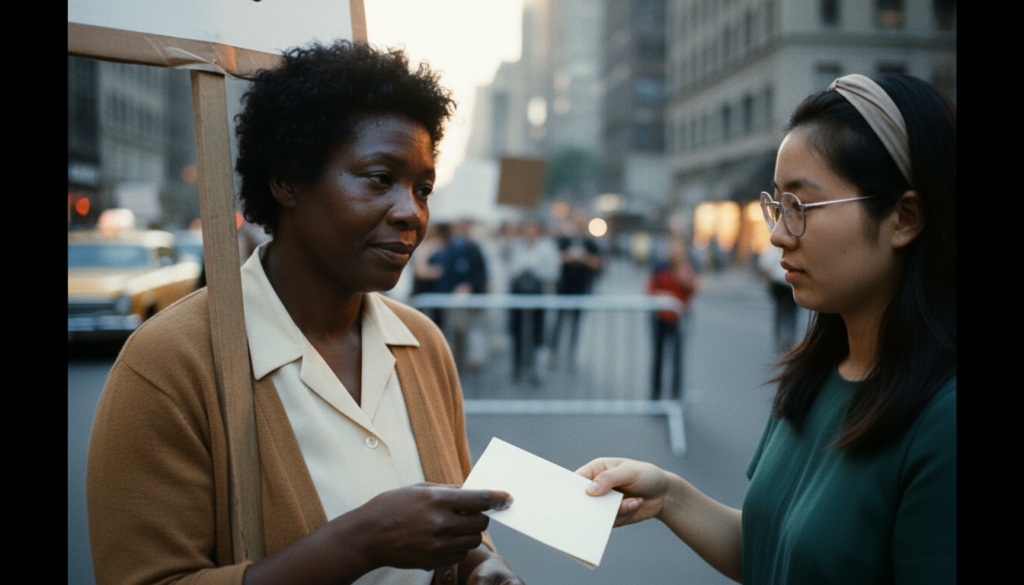
Year: 1970
On August 26, 1970, women across the United States marched, rallied, and staged workplace actions demanding equality in employment, politics, education, and other areas of public life. Organized by the National Organization for Women, the Women’s Strike for Equality drew national attention to persistent discrimination and helped demonstrate the growing strength of the women’s liberation movement. Held on the 50th anniversary of the Nineteenth Amendment’s adoption, it connected the earlier struggle for women’s suffrage with the broader campaign for legal, economic, and social equality.
Namibian War of Independence Begins
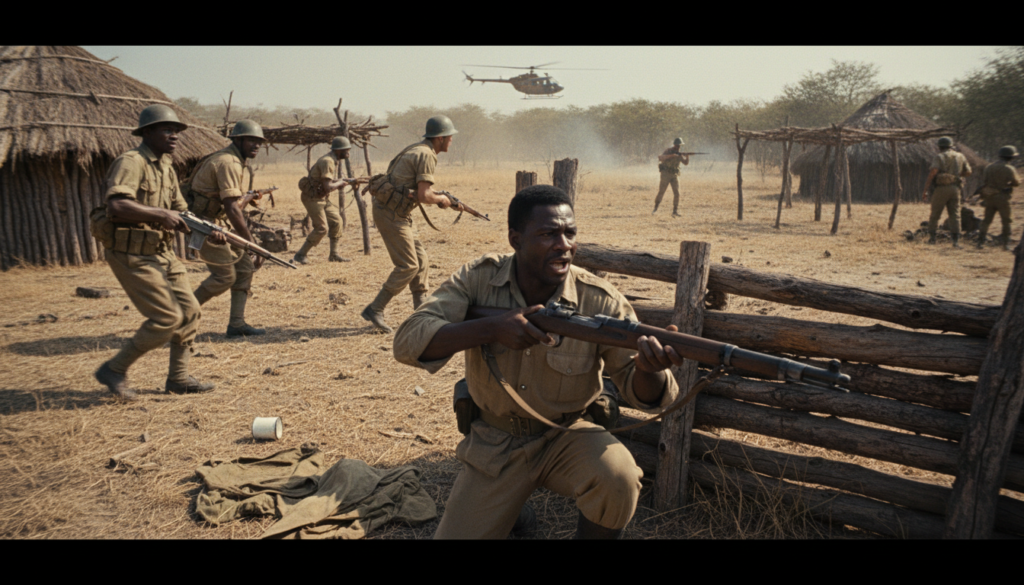
Event 4

Year: 1966
On 26 August 1966, South African security forces attacked SWAPO guerrillas at Omugulugwombashe in northern Namibia. The clash marked the beginning of SWAPO’s armed struggle against South African rule, known as the Namibian War of Independence. The conflict grew from resistance to South Africa’s continued control of the former League of Nations mandate and ended with Namibian independence in 1990.
Nineteenth Amendment Certified
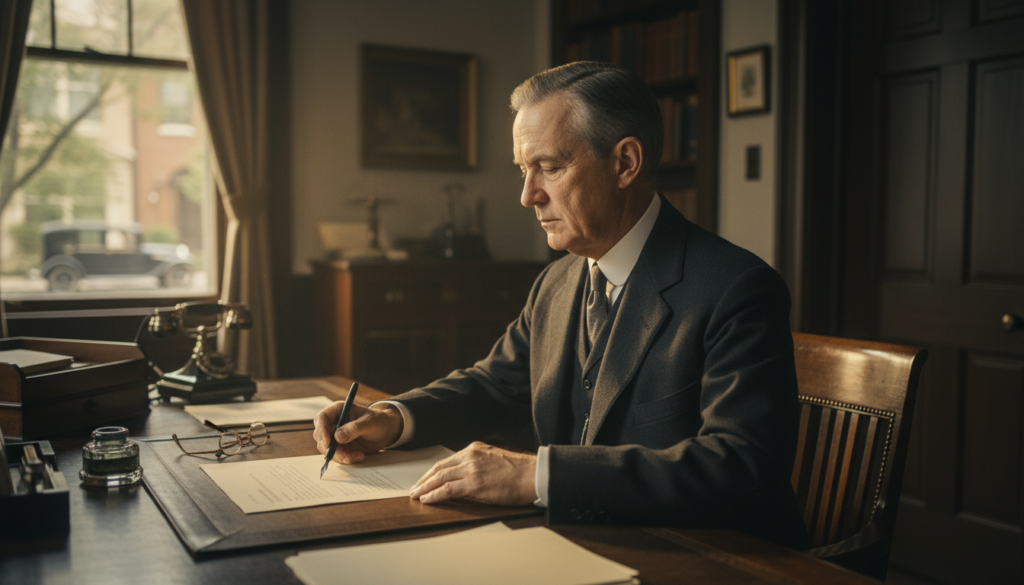
Nineteenth Amendment Certified

Year: 1920
On August 26, 1920, Secretary of State Bainbridge Colby certified the Nineteenth Amendment after its ratification by the required 36 states. The amendment barred federal and state governments from denying or abridging the right to vote on account of sex, enfranchising millions of women. It marked a major victory after decades of women’s suffrage activism, although discriminatory laws and practices continued to prevent many women of color from voting.