
August 29
5 moments across history
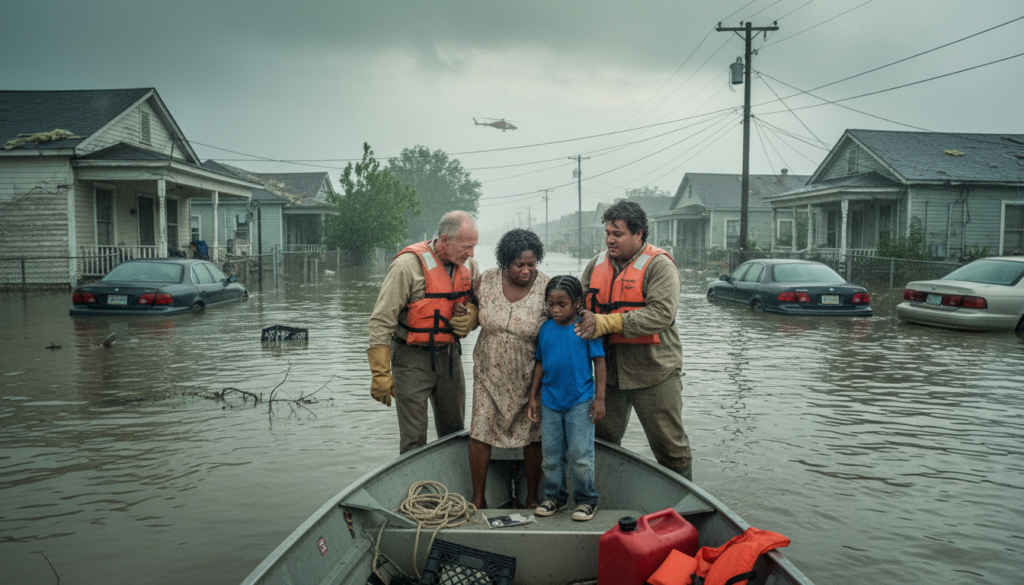
Hurricane Katrina Strikes the Gulf Coast
On August 29, 2005, Hurricane Katrina struck the Gulf Coast, making landfall in Louisiana as a Category 3 storm and devastating communities across the region. The storm surge and failures of New Orleans’s levee system caused catastrophic flooding, mass displacement, and more than 1,800 deaths. Katrina became one of the costliest U.S. disasters and exposed deep inequalities and major failures in emergency planning and government response.
Hurricane Katrina Strikes the Gulf Coast
The Beatles’ Final Paid Concert
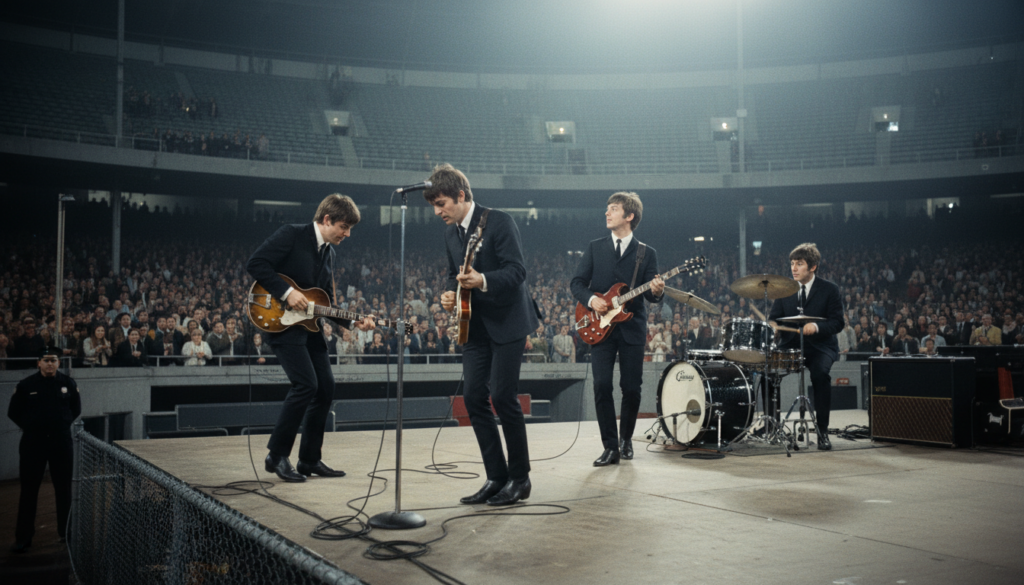
The Beatles’ Final Paid Concert
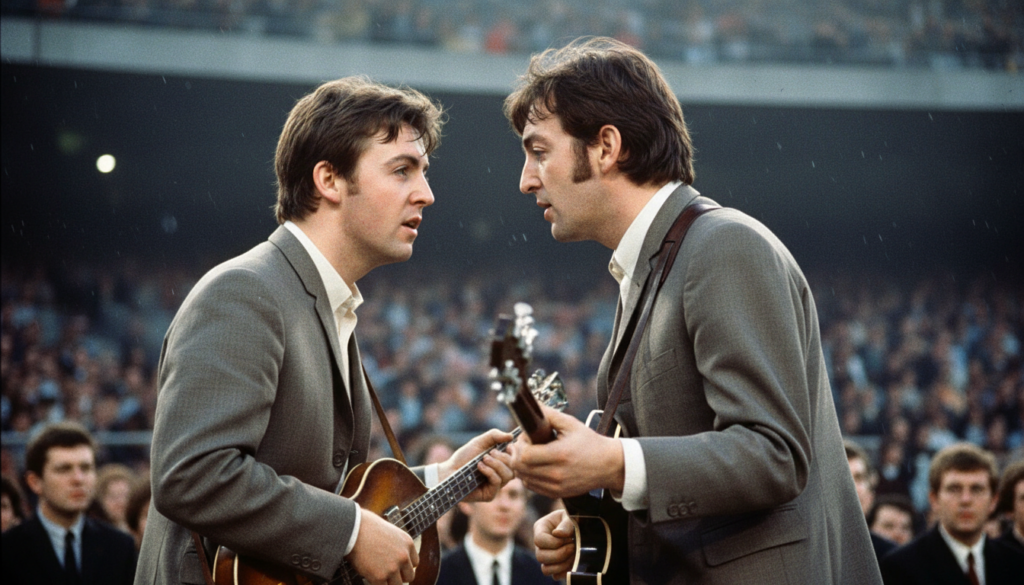
Year: 1966
On August 29, 1966, the Beatles performed at San Francisco’s Candlestick Park in their final scheduled commercial concert. The show ended their years as a touring band, although they later gave an unannounced rooftop performance in London in 1969. Amid the pressures of Beatlemania and increasingly complex recordings, they shifted their focus to studio work that reshaped popular music.
Soviet Union Tests Its First Atomic Bomb
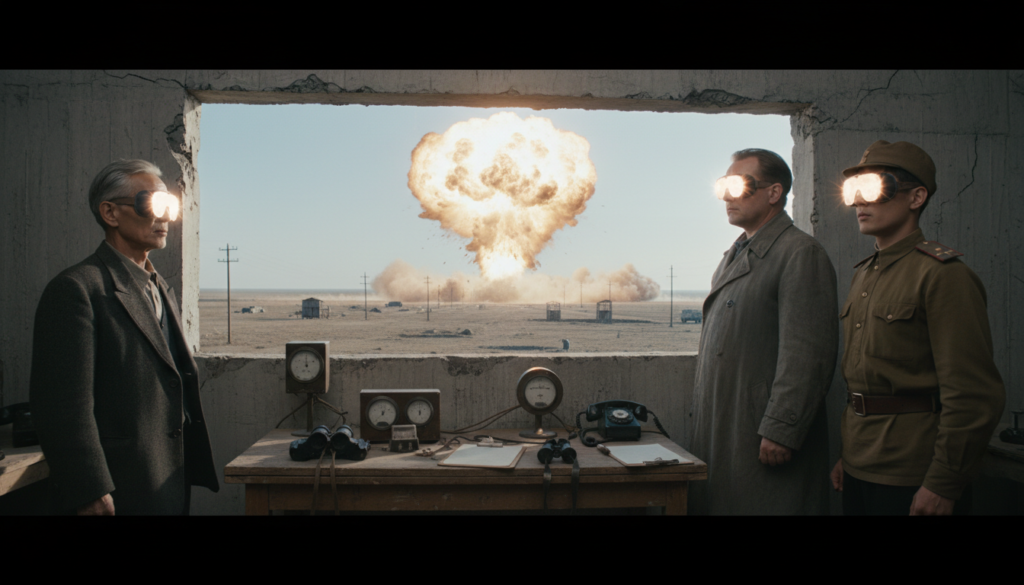
Soviet Union Tests Its First Atomic Bomb

Year: 1949
On August 29, 1949, the Soviet Union detonated RDS-1, its first atomic bomb, at the Semipalatinsk test site in Kazakhstan. The successful test ended the United States’ four-year monopoly on nuclear weapons and intensified the emerging Cold War arms race. Developed amid postwar rivalry and aided by Soviet espionage on the Manhattan Project, RDS-1 marked the beginning of a nuclear standoff between the superpowers.
Gottlieb Daimler Patents the Reitwagen

Gottlieb Daimler Patents the Reitwagen

Year: 1885
On August 29, 1885, German engineer Gottlieb Daimler patented the Reitwagen, a wooden two-wheeled vehicle powered by an internal-combustion engine. Widely regarded as the first internal-combustion motorcycle, it demonstrated that a compact gasoline engine could propel a lightweight personal vehicle. The invention emerged as gasoline-engine development accelerated in the late 19th century, helping lay foundations for the motorcycle and automobile industries.
Treaty of Nanking Signed
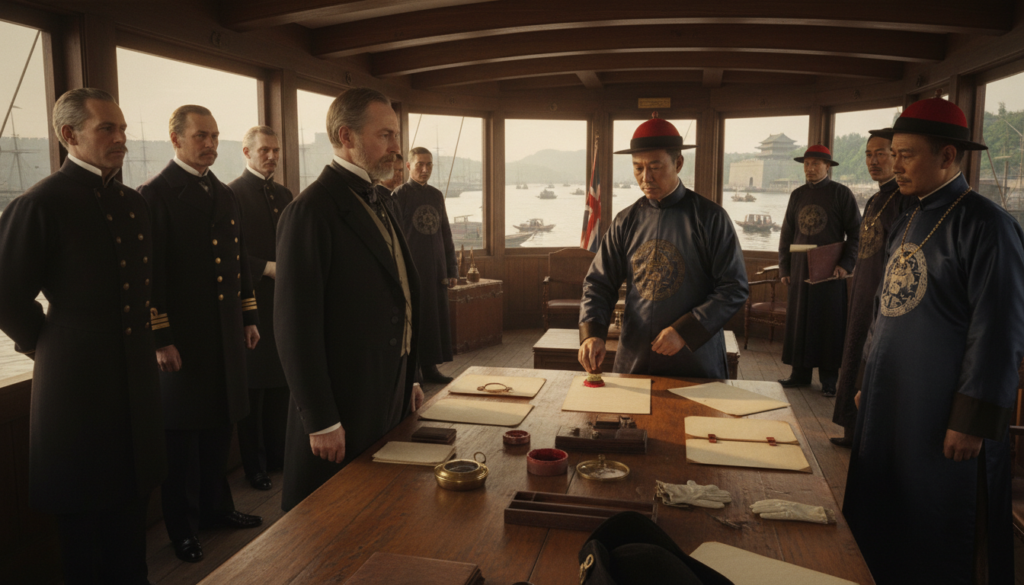
Treaty of Nanking Signed
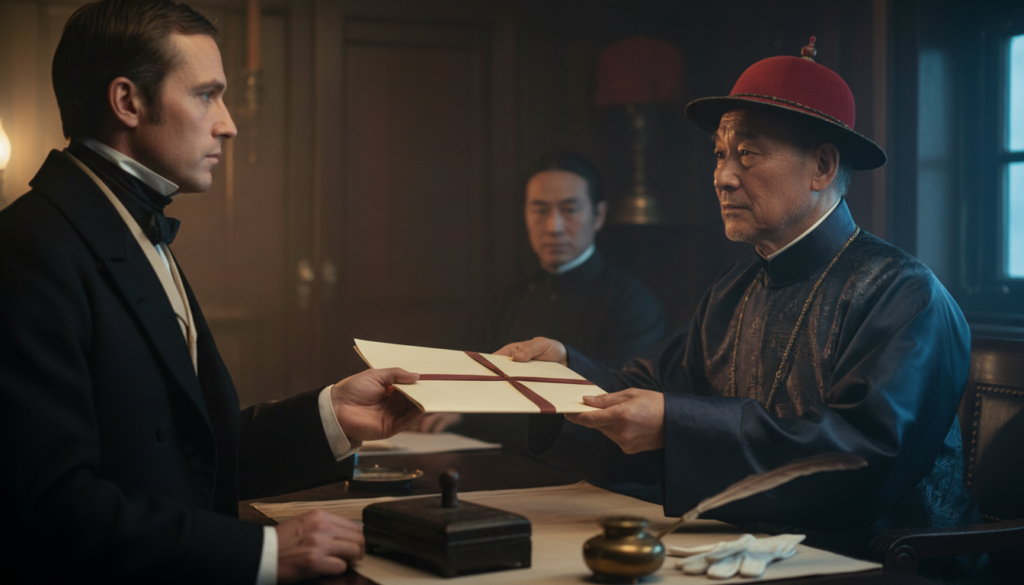
Year: 1842
On August 29, 1842, Britain and Qing China signed the Treaty of Nanking, ending the First Opium War and ceding Hong Kong Island to Britain. The treaty also opened five Chinese ports to British trade, imposed a large indemnity, and marked a major erosion of Qing sovereignty. It became the first of the “unequal treaties” imposed on China amid Western imperial expansion and remained a lasting symbol of China’s “century of humiliation.”