

August 30
5 moments across history
East Timor Votes for Independence
On August 30, 1999, East Timorese voters overwhelmingly rejected continued rule by Indonesia in a United Nations-sponsored referendum. The result paved the way for East Timor’s transition to full independence in 2002, despite a violent backlash by pro-Indonesian militias. The vote followed nearly 24 years of Indonesian occupation after Portugal withdrew from its former colony in 1975.
East Timor Votes for Independence
Azerbaijan Declares Independence

Azerbaijan Declares Independence

Year: 1991
On August 30, 1991, Azerbaijan’s Supreme Soviet adopted a declaration restoring the republic’s independence from the Soviet Union. The move paved the way for the Constitutional Act of Independence on October 18 and a confirming referendum in December. It came amid the Soviet Union’s collapse and invoked the legacy of the independent Azerbaijan Democratic Republic of 1918–1920.
Space Shuttle Discovery’s First Launch
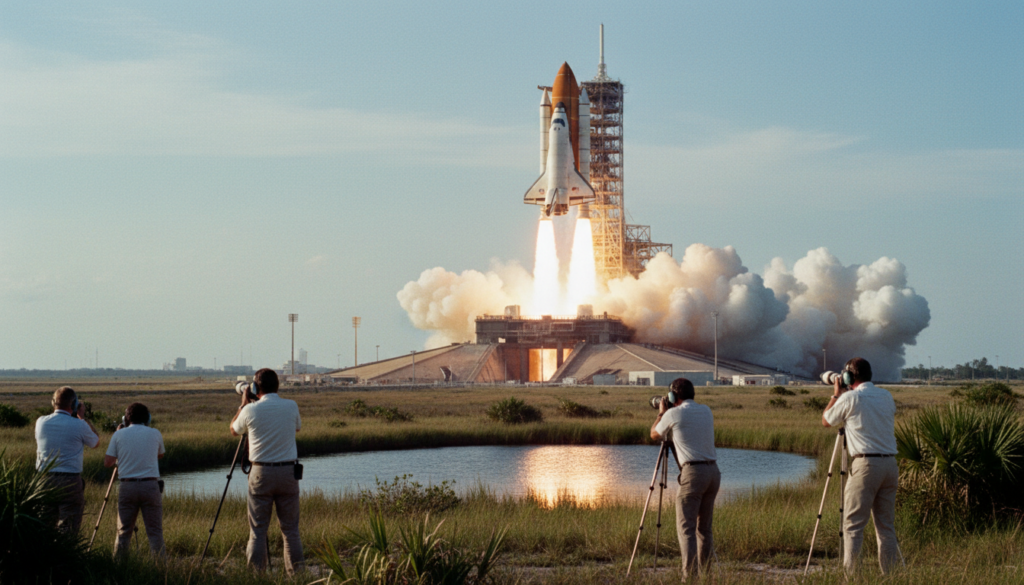
Space Shuttle Discovery’s First Launch

Year: 1984
On August 30, 1984, NASA launched Space Shuttle Discovery on its maiden mission, STS-41-D, from Kennedy Space Center in Florida. The six-day flight deployed three communications satellites and demonstrated Discovery’s role as NASA’s third operational space shuttle orbiter. Its debut expanded the shuttle fleet during an era when NASA sought to make reusable spacecraft central to satellite deployment, research, and human spaceflight.
Thurgood Marshall Confirmed to the Supreme Court

Thurgood Marshall Confirmed to the Supreme Court

Year: 1967
On August 30, 1967, the U.S. Senate confirmed Thurgood Marshall as the first African American justice of the Supreme Court. His appointment broke a major racial barrier and brought to the Court a leading civil rights lawyer who had successfully argued Brown v. Board of Education. Marshall’s confirmation came during the civil rights era, as the United States confronted segregation and expanded federal protections for Black Americans.
Moscow–Washington Hotline Becomes Operational
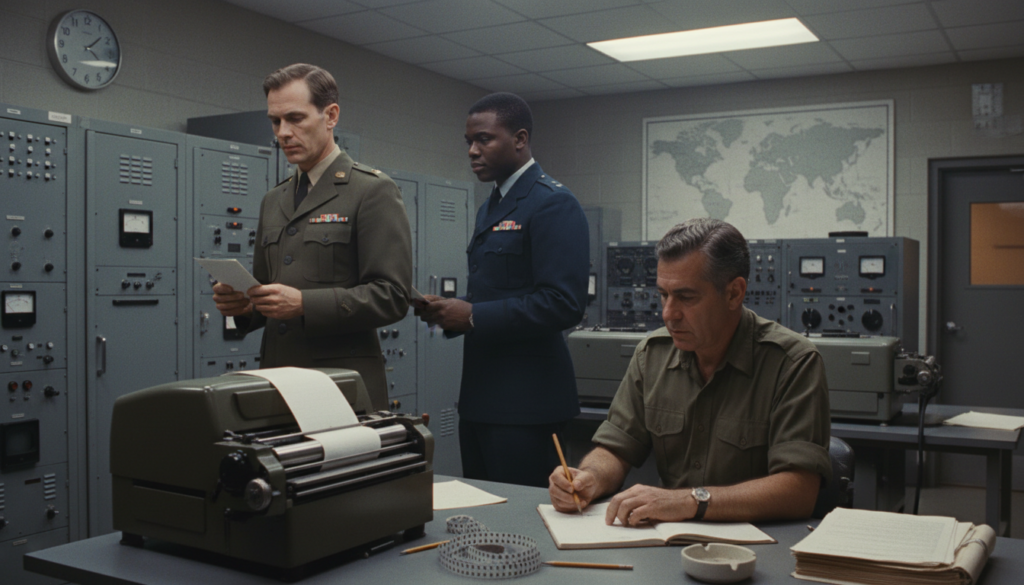
Moscow–Washington Hotline Becomes Operational

Year: 1963
On August 30, 1963, a direct communications link between Washington and Moscow became operational, allowing written messages between U.S. and Soviet leaders. The hotline mattered because it enabled rapid, reliable communication during crises, reducing the risk that misunderstanding or delay could trigger nuclear war. It was established during the Cold War after the 1962 Cuban Missile Crisis exposed the dangers of slow communication between the two nuclear superpowers.