![[e]Photo Stream](/logo.png)
August 21
5 moments across history
Great American Solar Eclipse
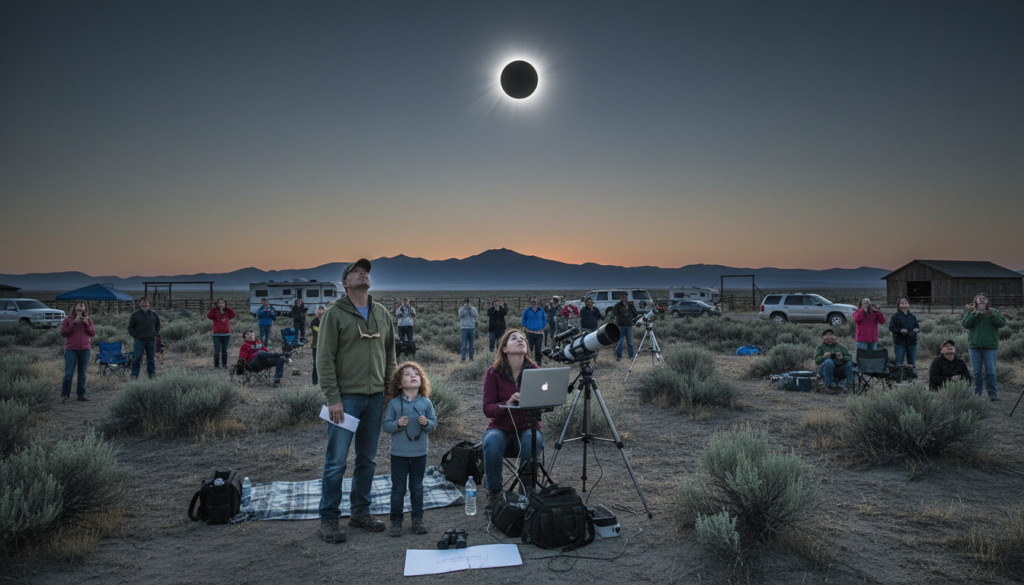
On August 21, 2017, a total solar eclipse swept across the contiguous United States from Oregon to South Carolina. Dubbed the Great American Eclipse, it drew millions of observers and enabled widespread scientific study of the Sun’s corona. It was the first total solar eclipse to cross the United States from the Pacific to the Atlantic since 1918.
Great American Solar Eclipse
Lake Nyos Disaster

Lake Nyos Disaster

Year: 1986
On August 21, 1986, Lake Nyos in Cameroon suddenly released a dense cloud of carbon dioxide that swept through nearby communities, suffocating approximately 1,700 people and thousands of animals. The disaster mattered because the gas was largely invisible and displaced breathable air, making it one of the deadliest known natural releases of carbon dioxide. The rare “limnic eruption” increased scientific understanding of gas buildup in volcanic crater lakes and led to monitoring and controlled degassing efforts at Lake Nyos.
Benigno Aquino Jr. Assassinated
Benigno Aquino Jr. Assassinated
Year: 1983
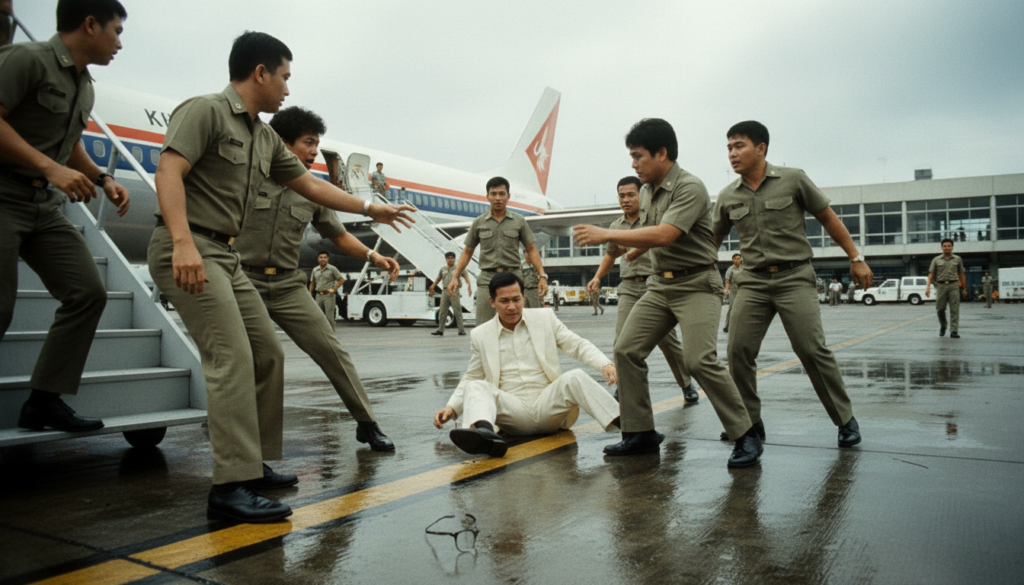
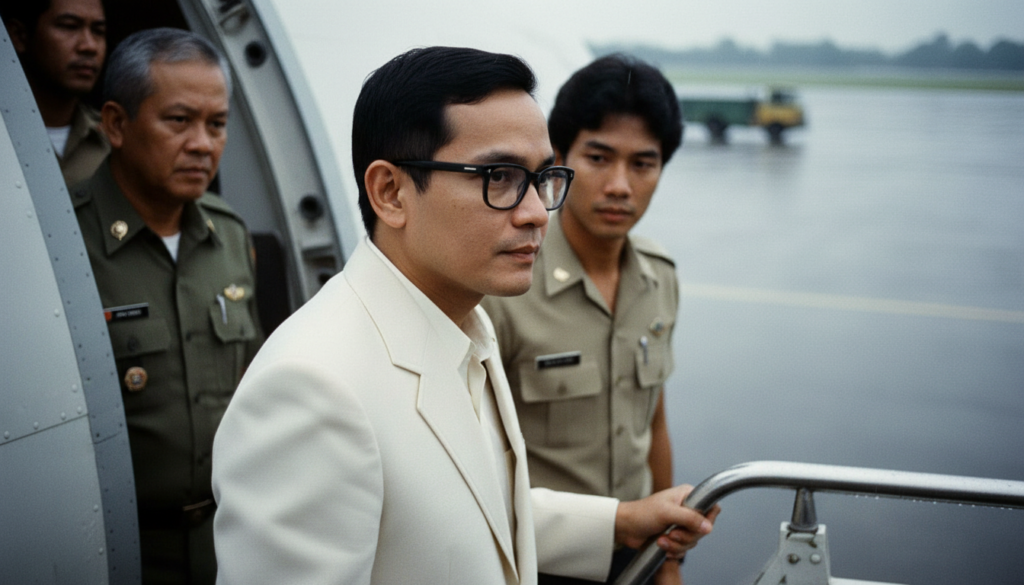
On August 21, 1983, Philippine opposition leader Benigno “Ninoy” Aquino Jr. was shot dead at Manila International Airport after returning from exile in the United States. His assassination intensified public opposition to President Ferdinand Marcos’s authoritarian rule and made Aquino a symbol of resistance. The ensuing political crisis helped build momentum for the 1986 People Power Revolution, which ousted Marcos and brought Aquino’s widow, Corazon Aquino, to the presidency.
Warsaw Pact Occupation of Czechoslovakia

Warsaw Pact Occupation of Czechoslovakia

Year: 1968
On August 20–21, 1968, Soviet-led Warsaw Pact forces invaded and occupied Czechoslovakia, ending the Prague Spring reform movement. The intervention reversed Alexander Dubček’s political liberalization and demonstrated Moscow’s determination to retain control over its Eastern European allies. It became a defining Cold War event and was later associated with the Brezhnev Doctrine, which justified intervention in socialist states threatened by reform.
Hawaii Becomes the 50th U.S. State

Hawaii Becomes the 50th U.S. State

Year: 1959
On August 21, 1959, President Dwight D. Eisenhower signed the proclamation admitting Hawaii as the 50th U.S. state. Statehood gave Hawaii voting representation in Congress and ended nearly six decades of territorial status. It followed the 1893 overthrow of the Hawaiian monarchy, U.S. annexation in 1898, and a 1959 statehood referendum approved by most participating voters.