![[e]Photo Stream](/logo.png)
August 5
5 moments across history
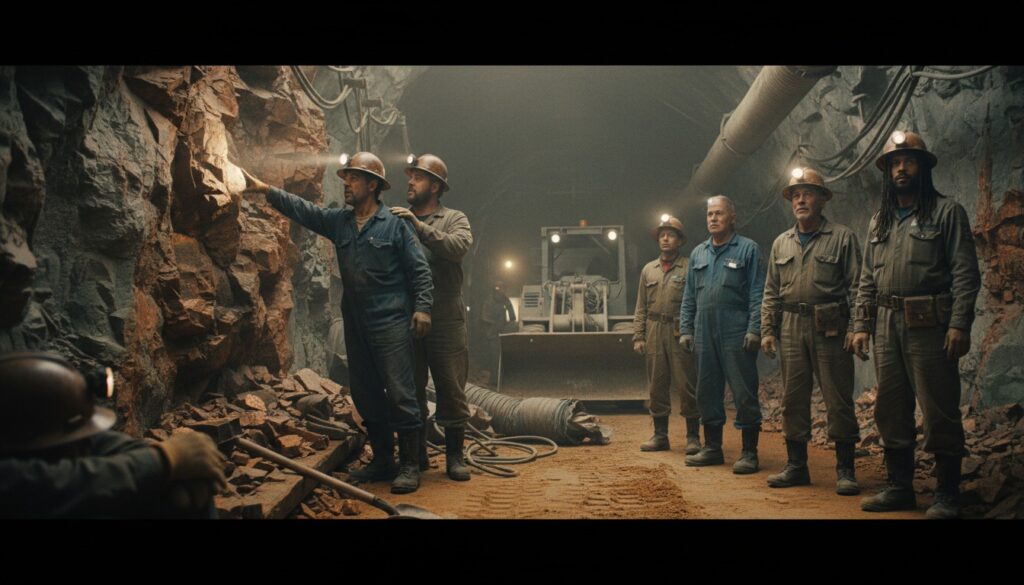
Copiapó Mining Accident Traps 33 Miners
On August 5, 2010, a cave-in at the San José copper-gold mine near Copiapó, Chile, trapped 33 miners about 700 metres underground. All 33 were rescued on October 13 after 69 days, following an internationally supported operation that drew worldwide attention. The disaster became a landmark in mining history and intensified scrutiny of mine safety and regulation in Chile, a country heavily dependent on mining.
Event 1
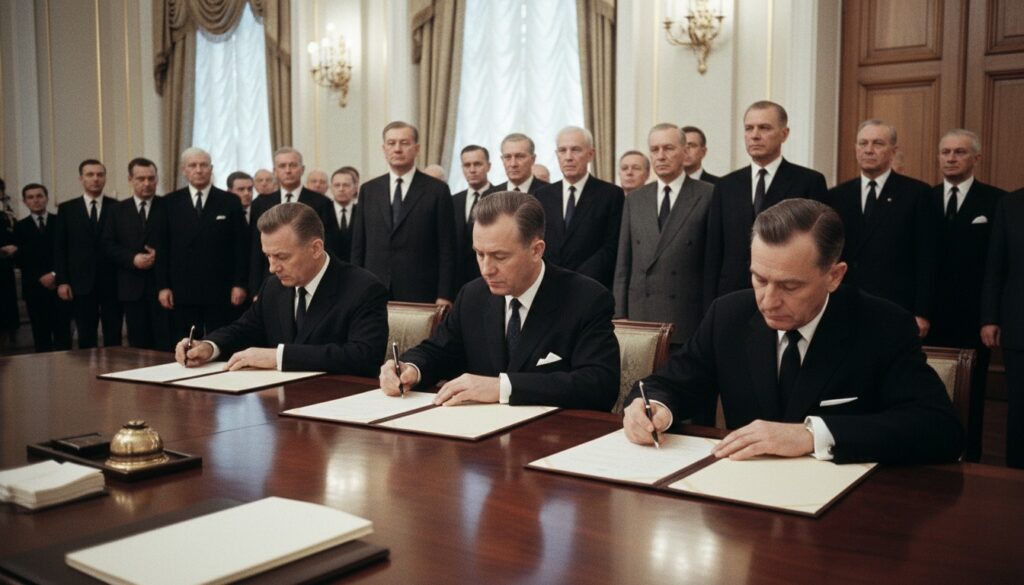
Partial Nuclear Test Ban Treaty Signed
Partial Nuclear Test Ban Treaty Signed
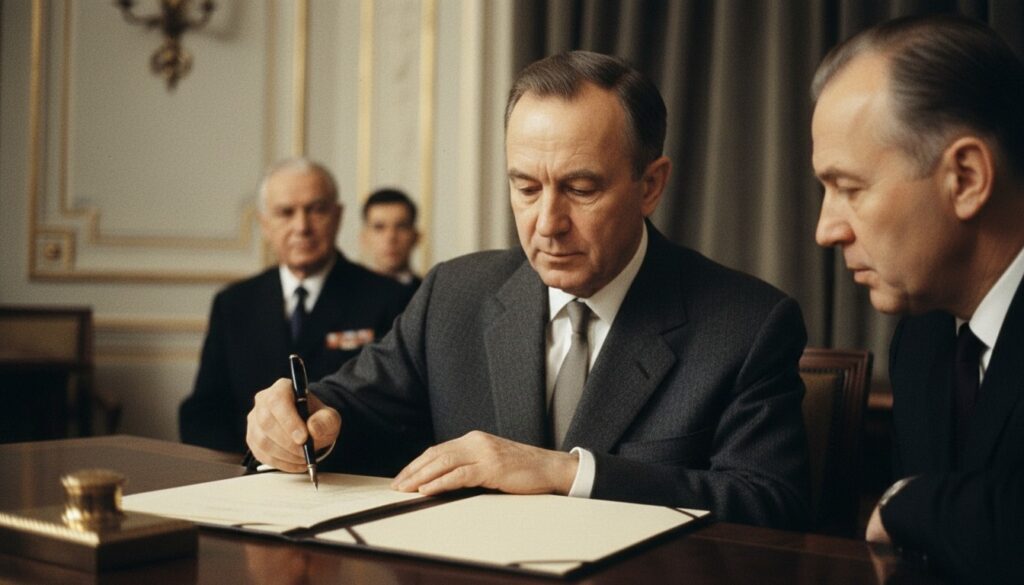
Year: 1963
On August 5, 1963, the United States, Soviet Union, and United Kingdom signed the Partial Nuclear Test Ban Treaty in Moscow, banning nuclear tests in the atmosphere, underwater, and outer space. The treaty mattered because it reduced radioactive fallout from testing and marked a major step toward controlling the nuclear arms race, although underground tests remained permitted. Concluded during the Cold War and less than a year after the Cuban Missile Crisis, it reflected growing concern about nuclear dangers and opened the way for later arms-control agreements.
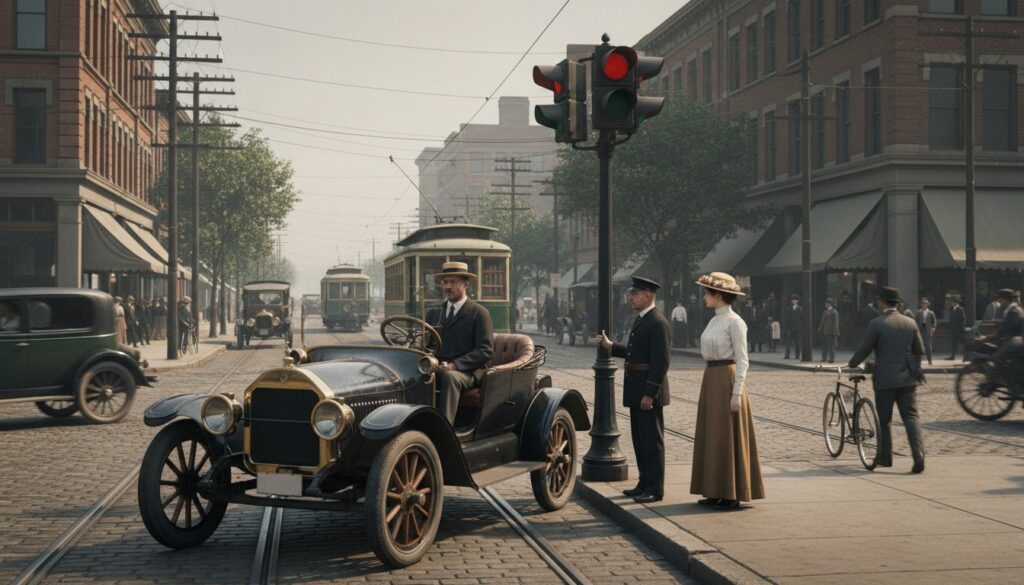
Cleveland Installs Four-Way Electric Traffic Signal
Cleveland Installs Four-Way Electric Traffic Signal
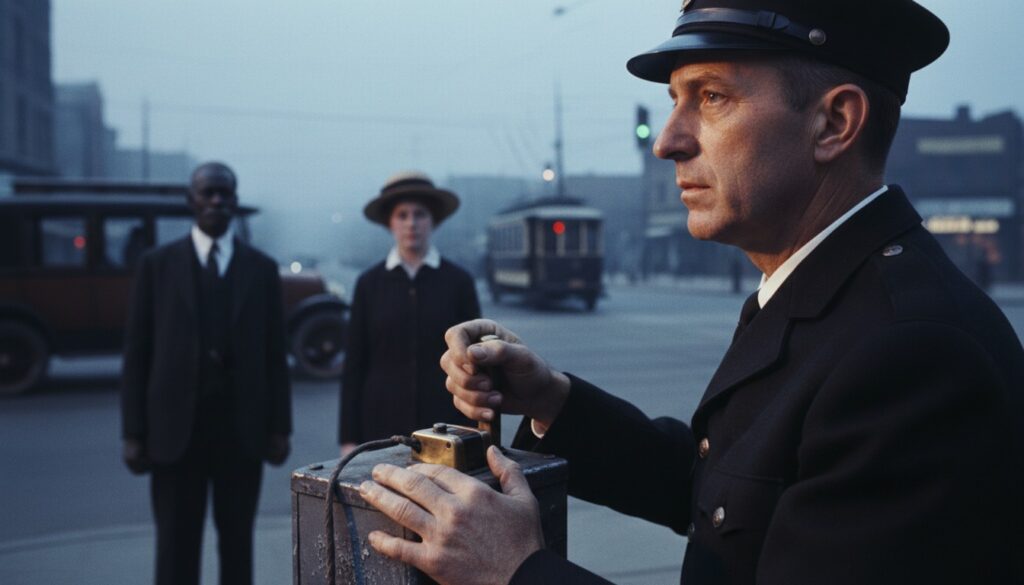
Year: 1914
On August 5, 1914, Cleveland installed a four-way electric traffic signal at Euclid Avenue and East 105th Street. The system helped police manage competing flows of vehicles and pedestrians more safely and efficiently at a busy intersection. Its debut came as automobile traffic was rapidly expanding, making standardized traffic control increasingly essential in modern cities.
Statue of Liberty Cornerstone Laid
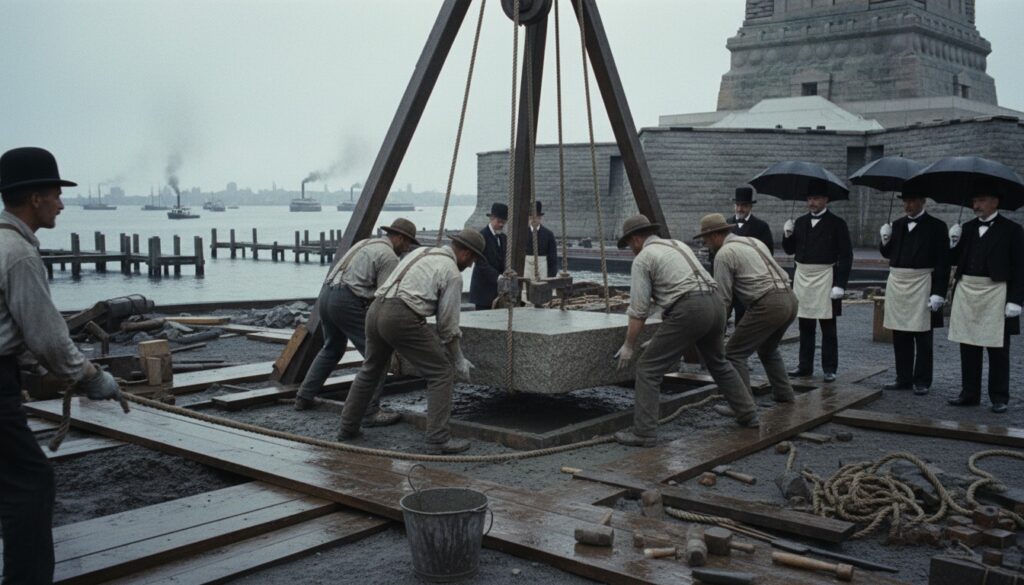
Event 4

Year: 1884
On August 5, 1884, workers laid the cornerstone of the Statue of Liberty’s pedestal on Bedloe’s Island in New York Harbor. The milestone advanced construction of the foundation needed to support the monumental statue, which would become an enduring symbol of liberty. Designed by Frédéric Auguste Bartholdi as a gift from France commemorating Franco-American friendship, the statue was completed and dedicated in 1886.
Battle of Mobile Bay

Battle of Mobile Bay
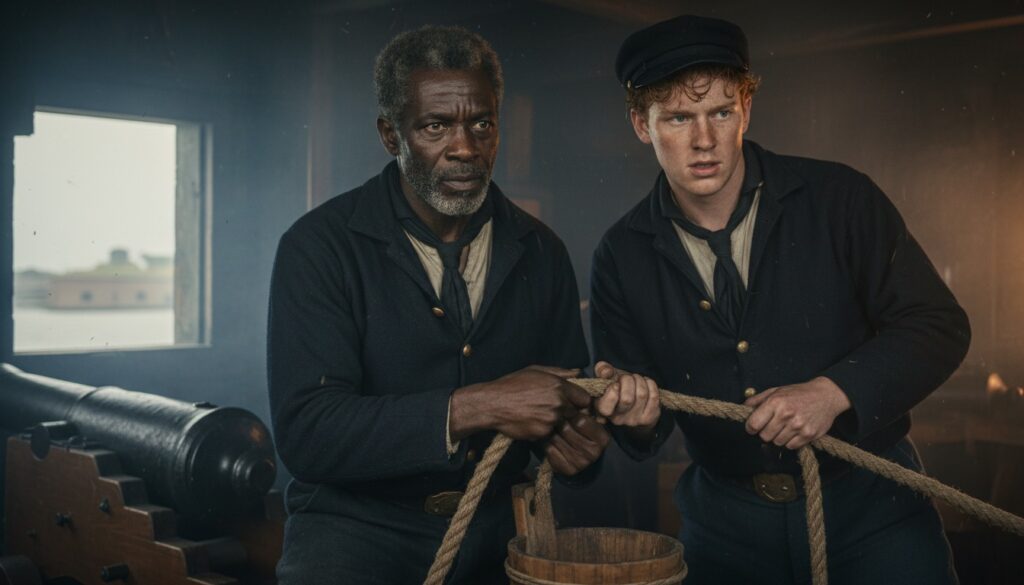
Year: 1864
On August 5, 1864, Union naval forces led by Admiral David Farragut fought past Confederate forts, mines, and ships in Mobile Bay, Alabama. The victory secured the bay and effectively closed Mobile, one of the Confederacy’s last major Gulf ports, to blockade-running. The battle strengthened the Union blockade and contributed to the broader campaign to cut Confederate trade and supplies during the Civil War.