![[e]Photo Stream](/logo.png)
July 31
5 moments across history
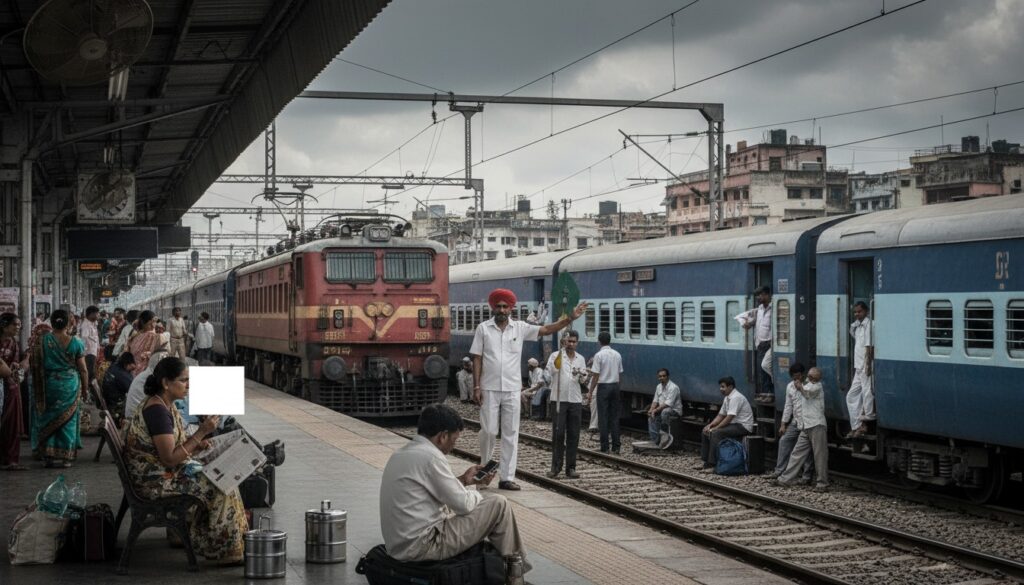
Record Indian Power Blackout. A massive grid failure left more than 600 million people without electricity across northern and eastern India
On July 31, 2012, India’s northern, eastern, and northeastern power grids collapsed, leaving more than 600 million people without electricity. The blackout disrupted transport, industry, hospitals, and daily life, making it one of the largest power failures in history by the number of people affected. Following a smaller collapse the previous day, the crisis exposed the strain that rapid demand growth, grid weaknesses, and excessive power withdrawals had placed on India’s electricity system.
Record Indian Power Blackout India’s northern, eastern, and northeastern grids collapsed, leaving more than 600 million people without electricity. Year: 2012 Context: Following a smaller failure the previous day, the blackout disrupted transport, industry, hospitals, and daily life while exposing surging demand, grid weaknesses, and excessive power withdrawals.
START I Treaty Signed. Presidents George H. W. Bush and Mikhail Gorbachev signed a landmark agreement reducing American and Soviet strategic nuclear arsenals

START I Treaty Signed U.S. President George H. W. Bush and Soviet President Mikhail Gorbachev signed a landmark nuclear arms reduction treaty in Moscow. Year: 1991 Context: START I mandated major cuts to deployed strategic nuclear weapons and introduced extensive verification measures, signaling a shift toward disarmament and greater U.S.-Soviet cooperation in the Cold War’s final months.

Year: 1991
On July 31, 1991, U.S. President George H. W. Bush and Soviet President Mikhail Gorbachev signed the START I nuclear arms reduction treaty in Moscow. The agreement required major cuts in deployed strategic nuclear weapons and established extensive verification measures, reducing the risk posed by the superpowers’ arsenals. Signed during the Cold War’s final months, it marked a shift from the nuclear buildup of earlier decades toward negotiated disarmament and greater U.S.-Soviet cooperation.
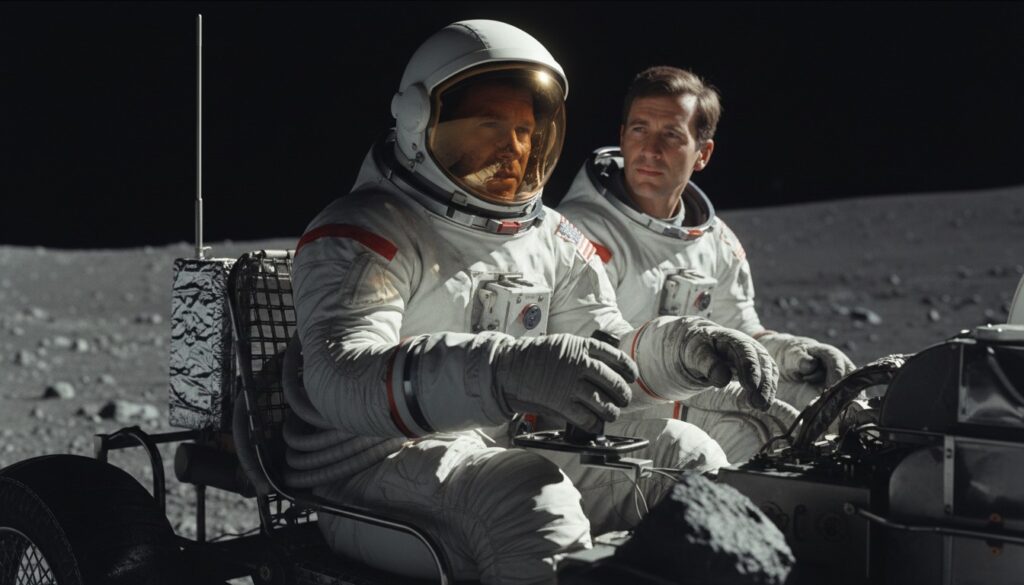
First Lunar Rover Used. Apollo 15 astronauts David Scott and James Irwin became the first people to drive a vehicle on the Moon

First Lunar Rover Driven on the Moon Apollo 15 astronauts David Scott and James Irwin became the first people to drive a vehicle on the Moon. Year: 1971 Context: On July 31, the astronauts used the electric Lunar Roving Vehicle to explore farther from their lunar module, collect samples, and conduct experiments during NASA’s first extended “J mission.”
Year: 1971
On July 31, 1971, Apollo 15 astronauts David Scott and James Irwin became the first people to drive a vehicle on the Moon, using the Lunar Roving Vehicle. The electric rover allowed them to travel farther from their lunar module and explore more terrain while collecting samples and conducting experiments. Apollo 15 was the fourth crewed Moon landing and the first of NASA’s extended “J missions,” which emphasized scientific exploration during the Apollo program.
Ranger 7 Photographs the Moon. NASA’s Ranger 7 transmitted the first close-up photographs of the lunar surface before crashing into the Moon

Ranger 7 Photographs the Moon NASA’s Ranger 7 transmitted the first close-up images of the lunar surface before intentionally crashing into the Moon. Year: 1964 Context: The mission revealed unprecedented lunar detail, supported planning for future crewed landings, and marked the first success of NASA’s Ranger program.

Year: 1964
On July 31, 1964, NASA’s Ranger 7 transmitted the first close-up photographs of the Moon before intentionally crashing into its surface. The images revealed lunar terrain in unprecedented detail, improving scientific knowledge and helping preparations for future crewed landings. The mission was the first successful flight in NASA’s Ranger program and marked an important U.S. advance during the Cold War space race.
Nazis Lead German Election. The Nazi Party became the largest party in the Reichstag after winning a plurality in Germany’s federal election

Nazis Become Largest Party in German Reichstag The Nazi Party won 37.3% of the vote and 230 seats, gaining unprecedented influence but falling short of a majority. Year: 1932 Context: Amid the Great Depression, mass unemployment, and political violence, the election deepened Weimar Germany’s political deadlock and helped pave the way for Adolf Hitler’s appointment as chancellor in January 1933.

Year: 1932
On July 31, 1932, the Nazi Party won 37.3 percent of the vote and 230 seats, becoming the largest party in Germany’s Reichstag but falling short of a majority. The result gave Adolf Hitler’s movement unprecedented national influence and deepened the political deadlock that weakened the Weimar Republic. Amid the Great Depression, mass unemployment, and political violence, the election helped pave the way for Hitler’s appointment as chancellor in January 1933.