![[e]Photo Stream](/logo.png)
August 20
5 moments across history
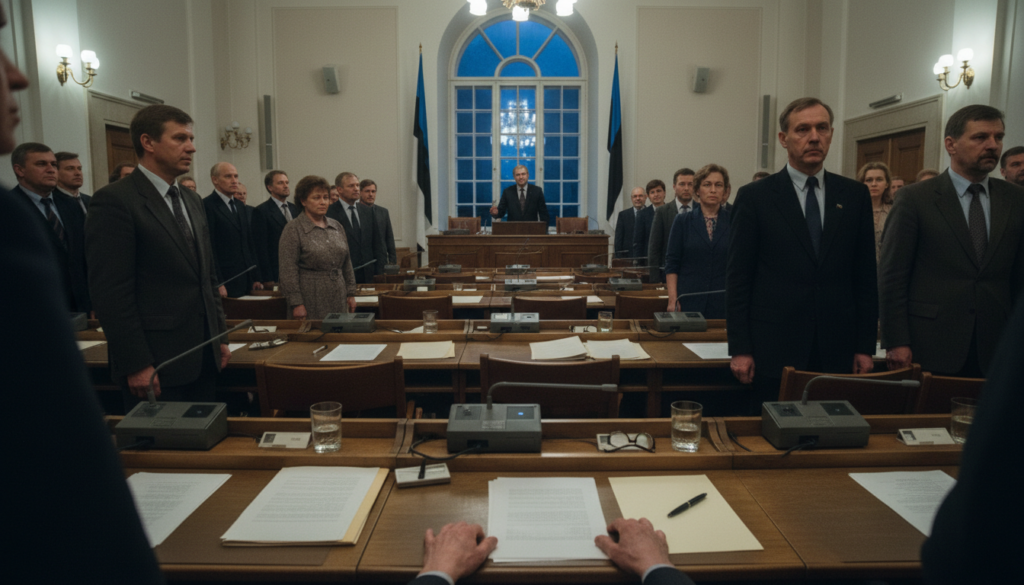
Estonia Restores Independence
On August 20, 1991, Estonia’s Supreme Council declared the restoration of the country’s independence from the Soviet Union. The decision reestablished Estonian sovereignty and advanced the peaceful independence movement known as the Singing Revolution. Estonia had been occupied and annexed by the Soviet Union in 1940, and its restored independence gained broad international recognition in 1991.
Estonia Restores Independence
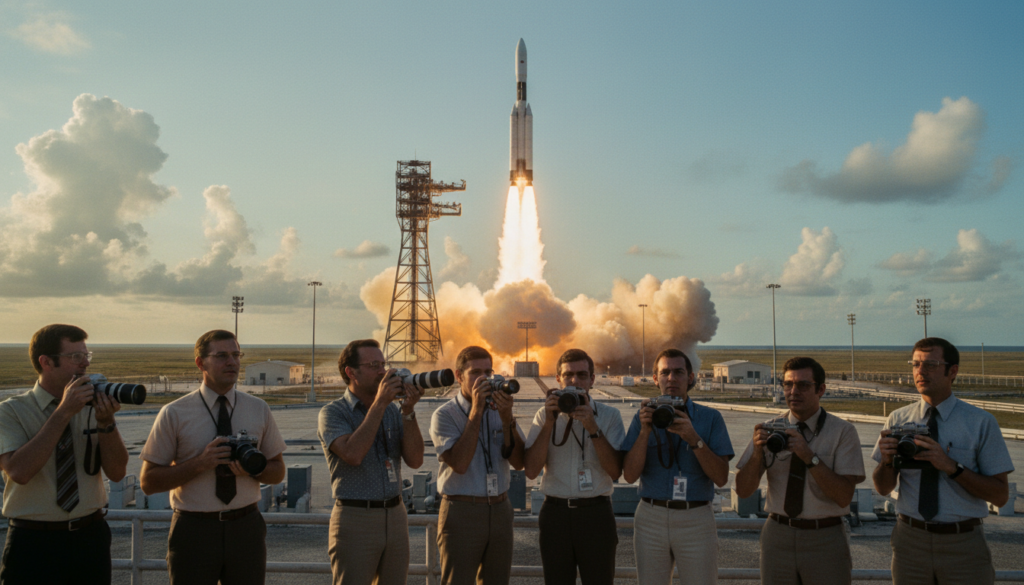
Voyager 2 Launches
Event 2

Year: 1977
On August 20, 1977, NASA launched Voyager 2 from Cape Canaveral on a mission to explore the outer planets. It became the first and only spacecraft to visit Uranus and Neptune, transforming scientific understanding of both worlds and their moons. Its journey exploited a rare planetary alignment and formed part of a broader era of ambitious robotic exploration of the solar system.
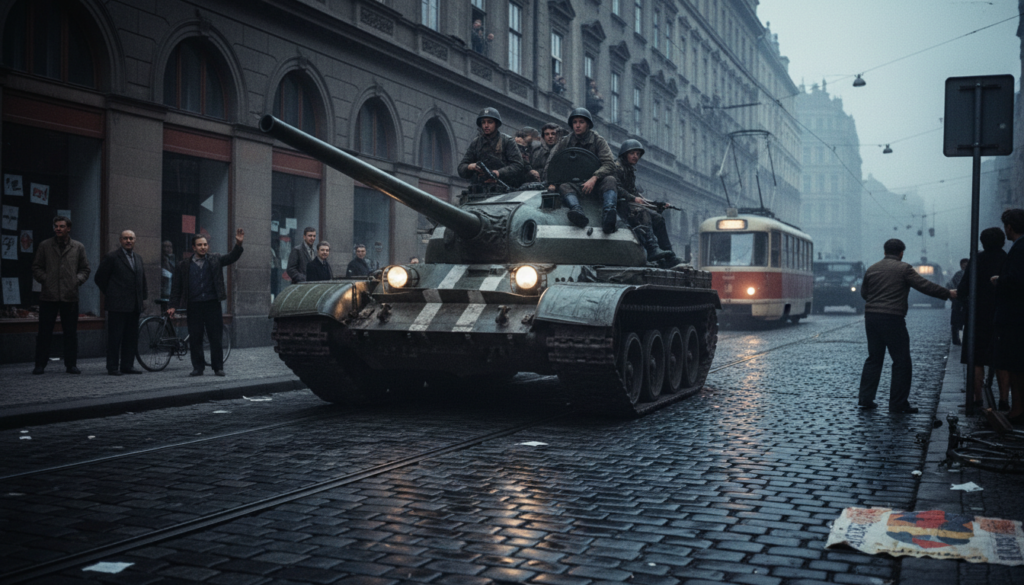
Warsaw Pact Invasion of Czechoslovakia
Warsaw Pact Invasion of Czechoslovakia

Year: 1968
On August 20–21, 1968, Soviet-led Warsaw Pact forces invaded Czechoslovakia to halt the Prague Spring reforms led by Alexander Dubček. The invasion ended efforts to create “socialism with a human face,” restored hard-line Communist rule, and prompted widespread nonviolent resistance. In the broader Cold War, it demonstrated Moscow’s determination to control its Eastern European allies and foreshadowed the Brezhnev Doctrine.
Leon Trotsky Fatally Attacked in Mexico City

Leon Trotsky Fatally Attacked in Mexico City

Year: 1940
On August 20, 1940, Soviet agent Ramón Mercader struck exiled Russian revolutionary Leon Trotsky with an ice axe at his home in Mexico City; Trotsky died the next day. The assassination eliminated one of Joseph Stalin’s most prominent opponents and a leading critic of the Soviet regime. Trotsky’s murder occurred amid Stalin’s purges and campaign to silence political rivals, even those living abroad.
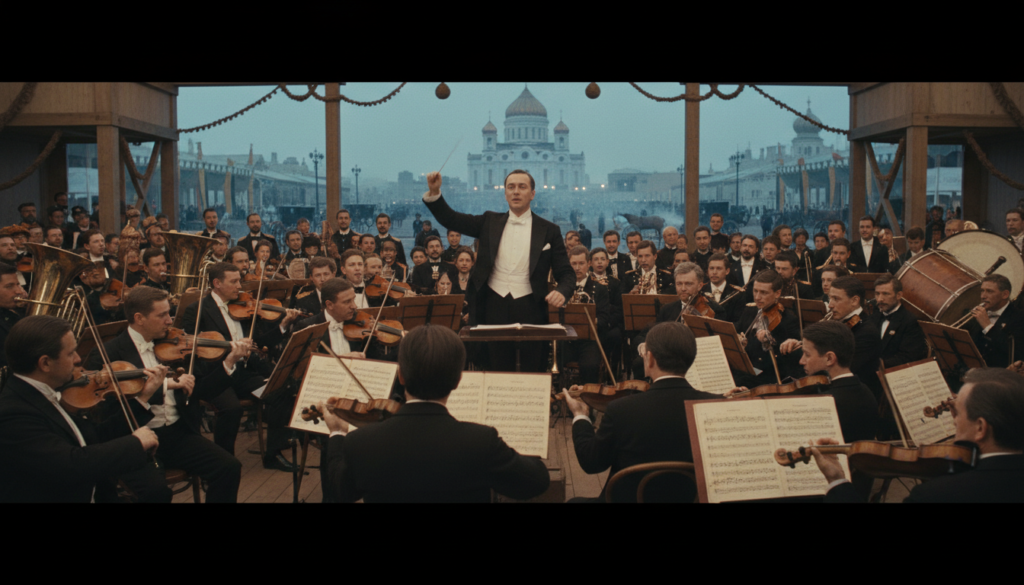
Tchaikovsky’s *1812 Overture* Premieres
Tchaikovsky’s *1812 Overture* Premieres
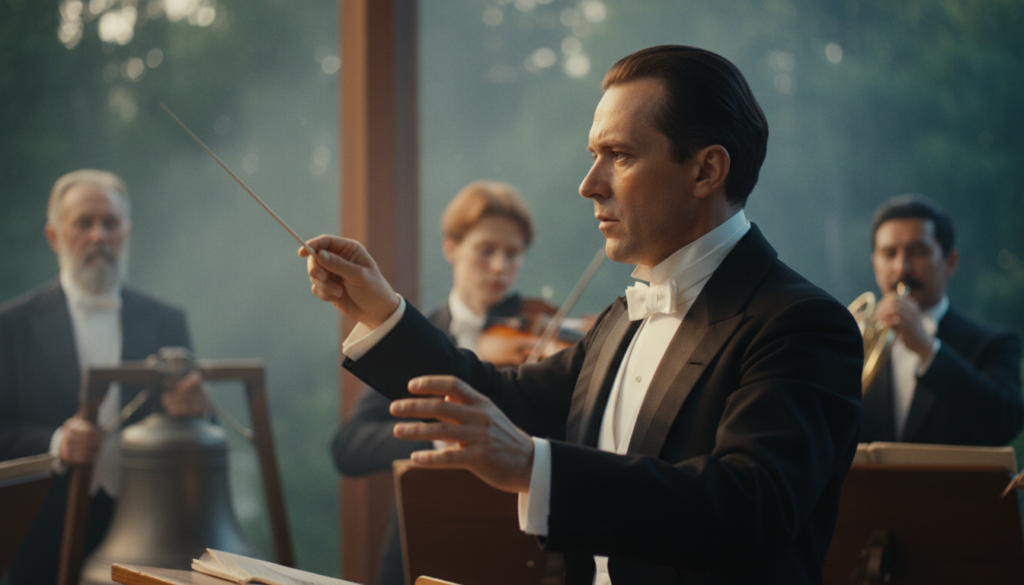
Year: 1882
On August 20, 1882, Pyotr Ilyich Tchaikovsky’s 1812 Overture received its first public performance in Moscow. The work became famous for its dramatic orchestration, including cannon fire and bells, and commemorated Russia’s defeat of Napoleon’s invading army. Its premiere reflected the 19th-century use of monumental music to celebrate national history, seven decades after Napoleon’s 1812 campaign.