![[e]Photo Stream](/logo.png)

August 8
5 moments across history
Beijing Olympics Open at the Bird’s Nest
On August 8, 2008, the Games of the XXIX Olympiad opened with an elaborate ceremony at Beijing’s National Stadium, known as the Bird’s Nest. The event launched the first Olympic Games hosted by China and showcased the country’s culture, organizational capacity, and growing global prominence. The Beijing Olympics occurred amid China’s rapid economic rise and international scrutiny over issues including human rights, media freedom, and air pollution.
Beijing Olympics Open at the Bird’s Nest
Nixon Announces His Resignation
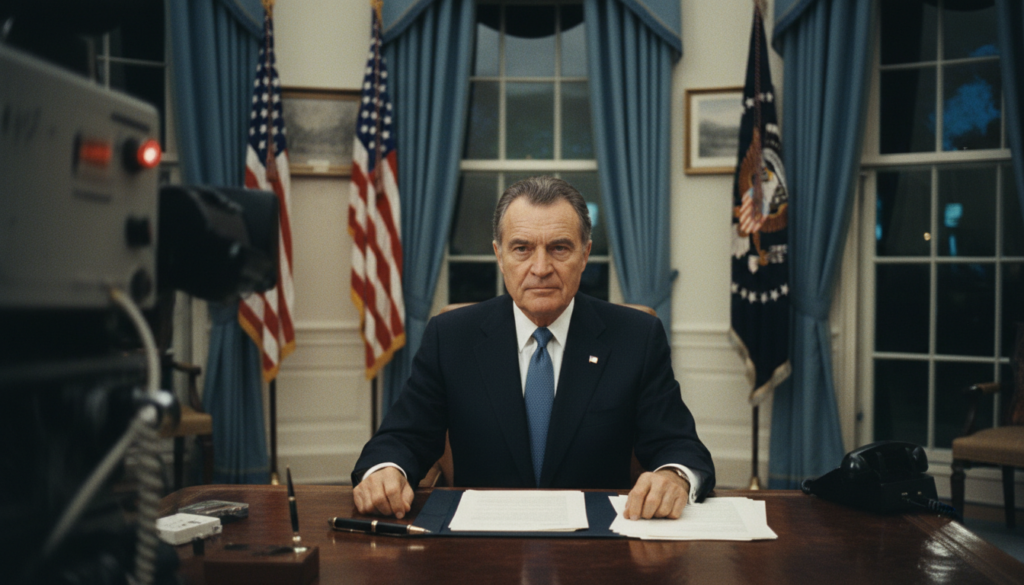
Nixon Announces His Resignation
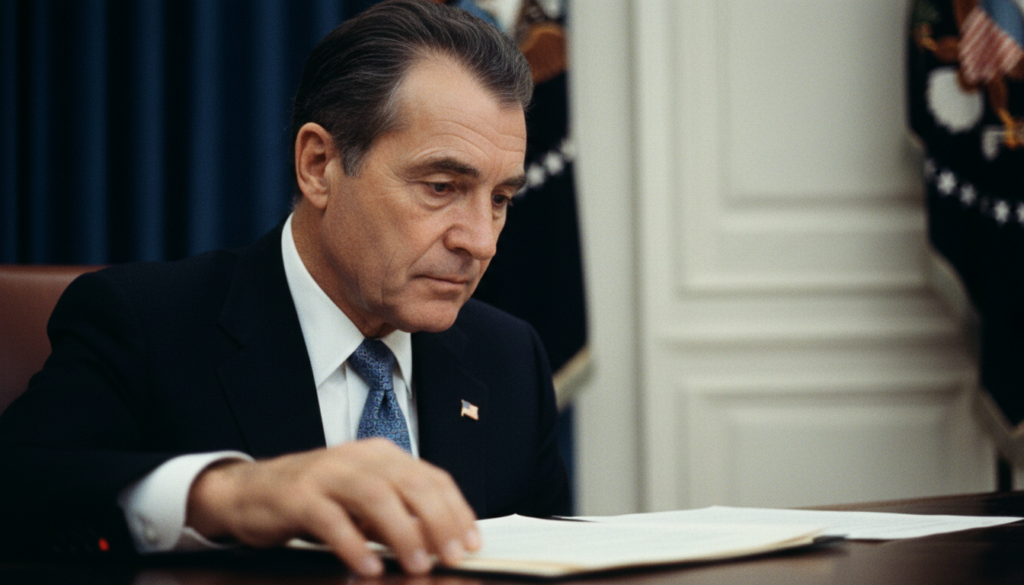
Year: 1974
On August 8, 1974, President Richard Nixon announced that he would resign at noon the next day amid the Watergate scandal. His departure made him the first—and remains the only—U.S. president to resign from office, and Vice President Gerald Ford succeeded him. Nixon faced near-certain impeachment after evidence tied his administration to the Watergate cover-up, deepening a national crisis of trust in government.
ASEAN Is Founded
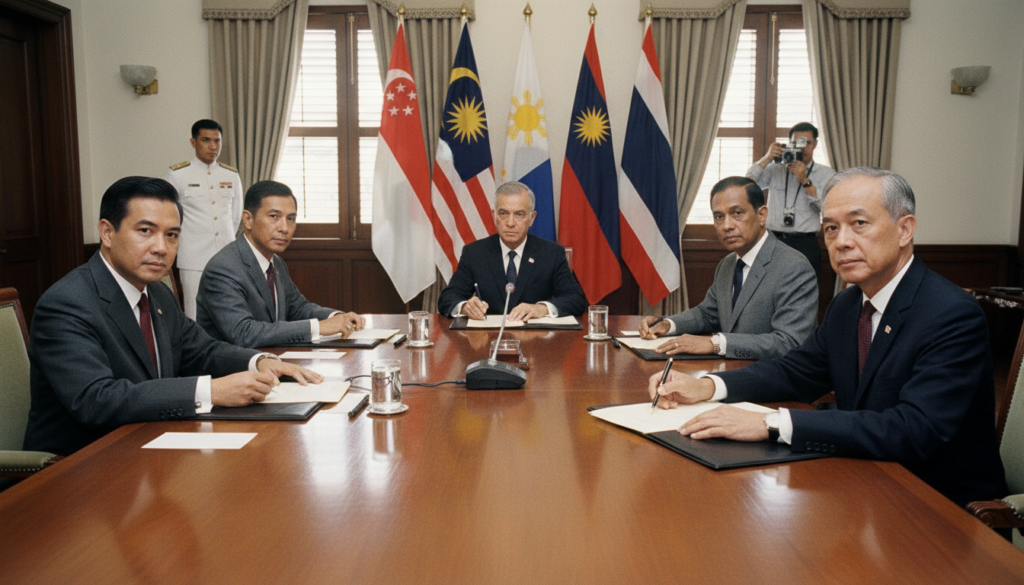
ASEAN Is Founded
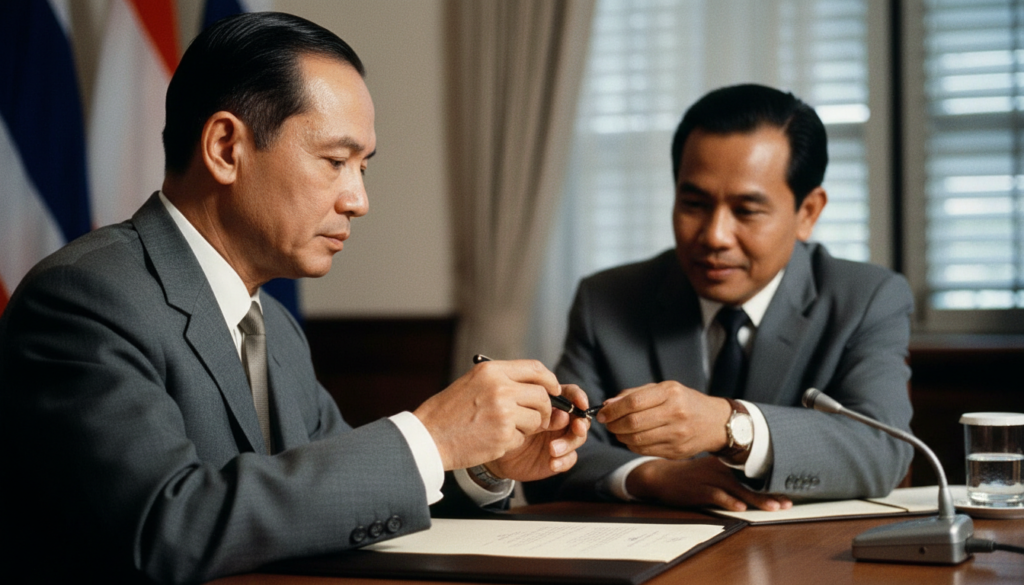
Year: 1967
On August 8, 1967, Indonesia, Malaysia, the Philippines, Singapore, and Thailand founded ASEAN by signing the Bangkok Declaration. The organization aimed to promote regional cooperation, economic growth, social progress, and peace and stability in Southeast Asia. Its creation came amid Cold War tensions and regional disputes, laying the foundation for ASEAN’s later expansion and central role in regional diplomacy.
The Great Train Robbery

The Great Train Robbery
Year: 1963
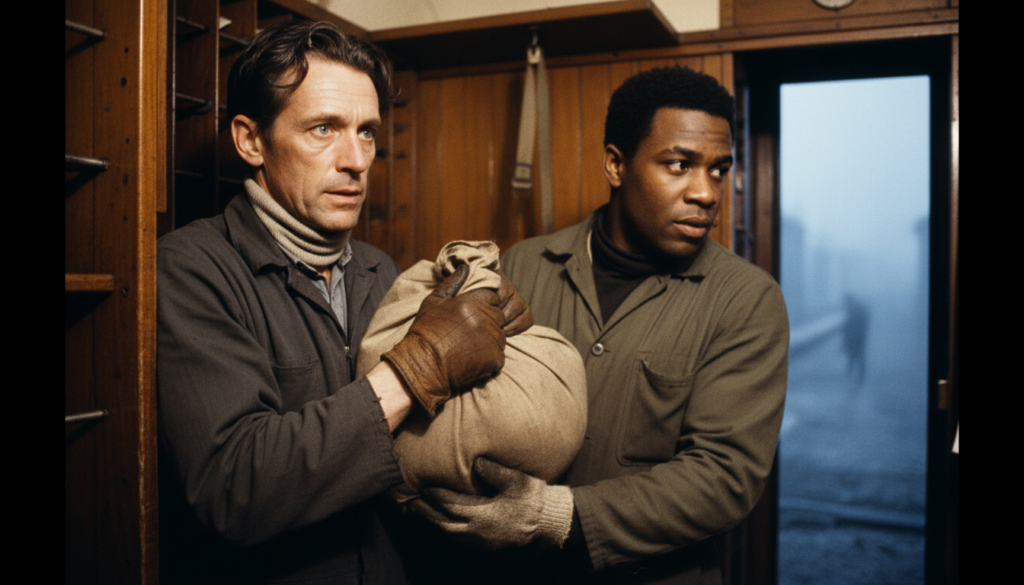
On 8 August 1963, a gang stopped a Royal Mail train in Buckinghamshire and stole more than £2.6 million in cash. The Great Train Robbery became one of Britain’s most notorious crimes, prompting a major police investigation and extensive media coverage. In the context of postwar Britain, the robbery exposed weaknesses in railway cash transport and led to tighter security measures.
Soviet Union Declares War on Japan
Event 5

Year: 1945
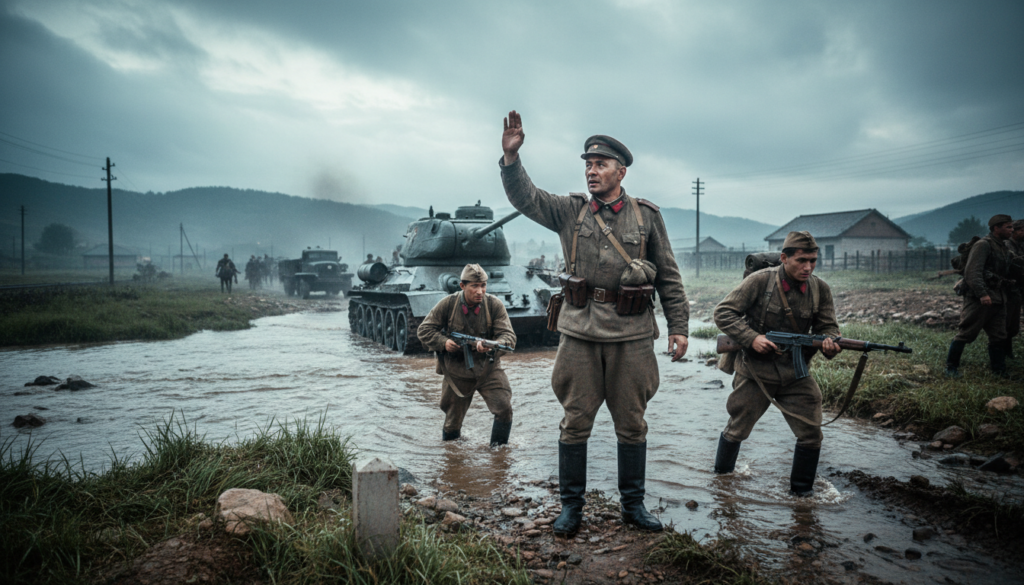
On August 8, 1945, the Soviet Union renounced its neutrality pact with Japan, declared war, and soon invaded Japanese-held Manchuria. The offensive destroyed Japan’s strategic position in Northeast Asia and contributed significantly to its decision to surrender. It came near the end of World War II, after Hiroshima’s atomic bombing and in fulfillment of a Soviet pledge to join the Pacific War.