![[e]Photo Stream](/logo.png)
August 15
5 moments across history
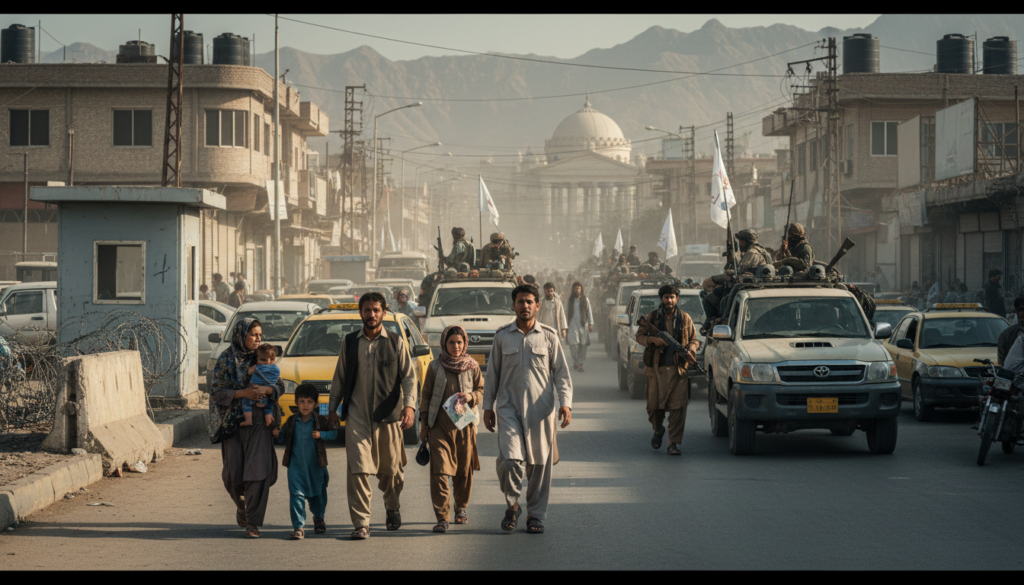
Kabul Falls to the Taliban
On August 15, 2021, Taliban forces entered Kabul as Afghanistan’s government collapsed and President Ashraf Ghani fled the country. The takeover restored Taliban rule after nearly 20 years and triggered evacuations, fear of repression, and a humanitarian crisis. It followed the withdrawal of U.S. and NATO forces, ending the Western-backed political order established after the 2001 invasion.
Kabul Falls to the Taliban
Omagh Bombing

Omagh Bombing

Year: 1998
On August 15, 1998, a car bomb planted by the dissident Real IRA exploded in Omagh, Northern Ireland, killing 29 people and injuring hundreds. It was the deadliest single attack of the Troubles and caused widespread outrage across Ireland and the United Kingdom. The bombing occurred months after the Good Friday Agreement, which the Real IRA opposed, and reinforced public support for the peace process.
Nixon Shock Ends Dollar Convertibility into Gold

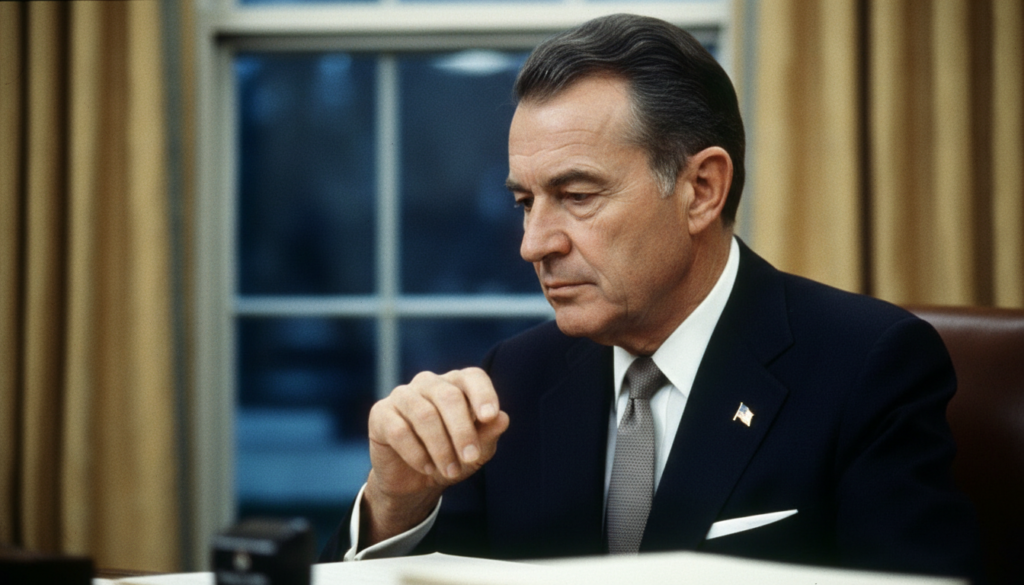
Nixon Shock Ends Dollar Convertibility into Gold
Year: 1971
On August 15, 1971, President Richard Nixon suspended the U.S. dollar’s convertibility into gold and announced wage and price controls and an import surcharge. The “Nixon Shock” severed the dollar’s formal link to gold, destabilizing the fixed-exchange-rate system and paving the way for floating currencies. The move came amid rising inflation, U.S. balance-of-payments pressures, and dwindling gold reserves, accelerating the collapse of the postwar Bretton Woods monetary order.
Woodstock Festival Begins
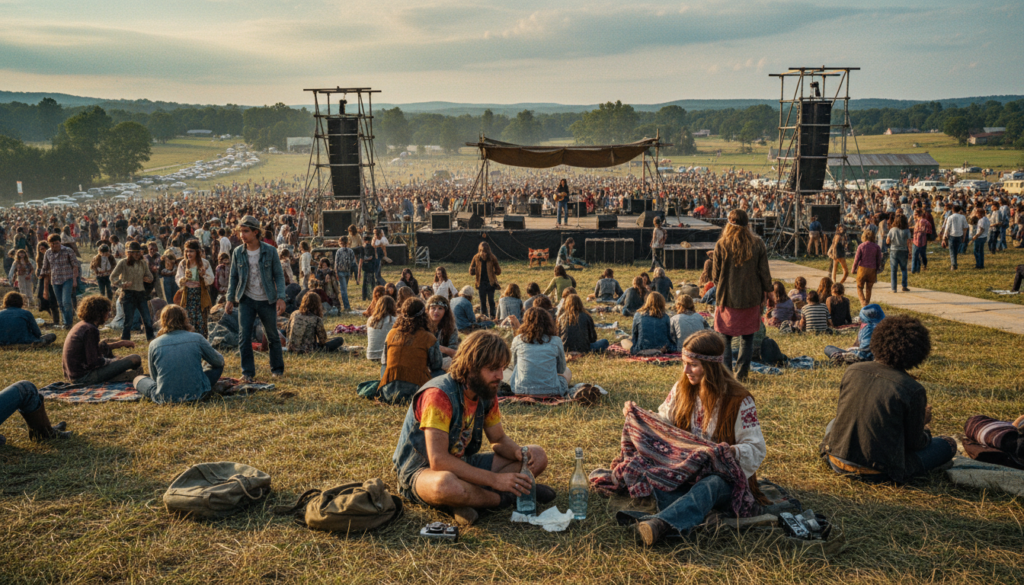
Woodstock Festival Begins

Year: 1969
On August 15, 1969, the Woodstock Music and Art Fair opened on a dairy farm near Bethel, New York, drawing hundreds of thousands of people. The three-day festival featured leading rock and folk performers and became a defining symbol of the era’s counterculture and youth movements. Held amid the Vietnam War and widespread social change, Woodstock remains associated with ideals of peace, communal life, and cultural rebellion.
India Gains Independence

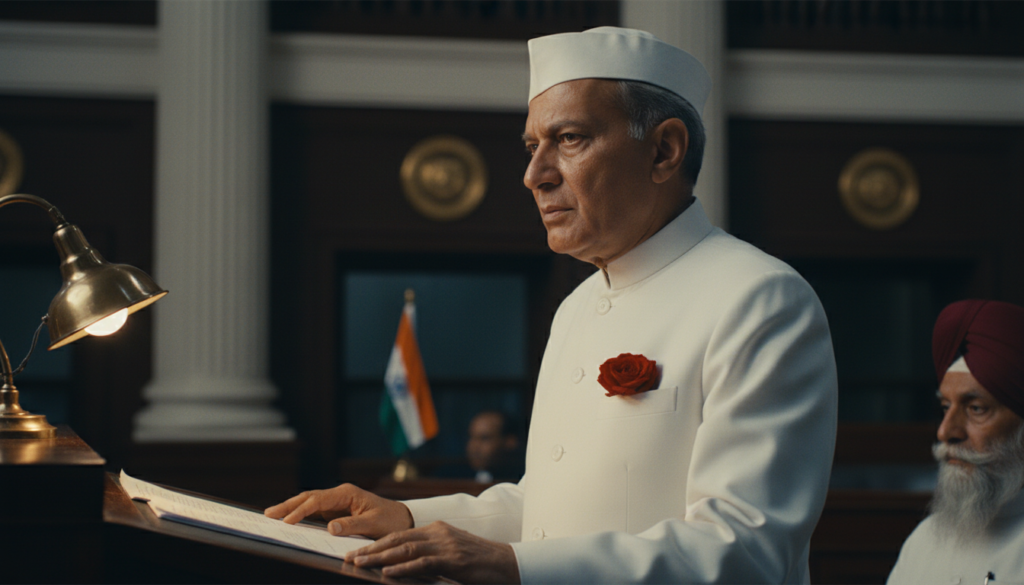
India Gains Independence
Year: 1947
On August 15, 1947, British rule ended and India became an independent dominion, with Jawaharlal Nehru as its first prime minister. Independence marked the culmination of a long anti-colonial movement and established Indian self-government after nearly two centuries of expanding British control. It occurred amid the partition of British India into India and Pakistan, which triggered mass migration, communal violence, and lasting regional tensions.