![[e]Photo Stream](/logo.png)

August 14
5 moments across history
Operation Banner Begins
On August 14, 1969, Britain launched Operation Banner, deploying troops to Northern Ireland amid escalating riots and sectarian violence. Initially intended to restore order, the mission became the British Army’s longest continuous deployment, lasting until 2007 and profoundly shaping the Troubles. The conflict arose from divisions between mainly Protestant unionists and mainly Catholic nationalists, intensified by discrimination, civil-rights protests, and competing constitutional aims.
Operation Banner Begins
Pakistan Gains Independence

Pakistan Gains Independence

Year: 1947
On August 14, 1947, Pakistan emerged as an independent dominion after British India was partitioned. Its creation ended British colonial rule there and established a separate state for the subcontinent’s Muslim-majority regions. Partition also created independent India and triggered mass migration, communal violence, and enduring regional tensions.
Japan Accepts Allied Surrender Terms
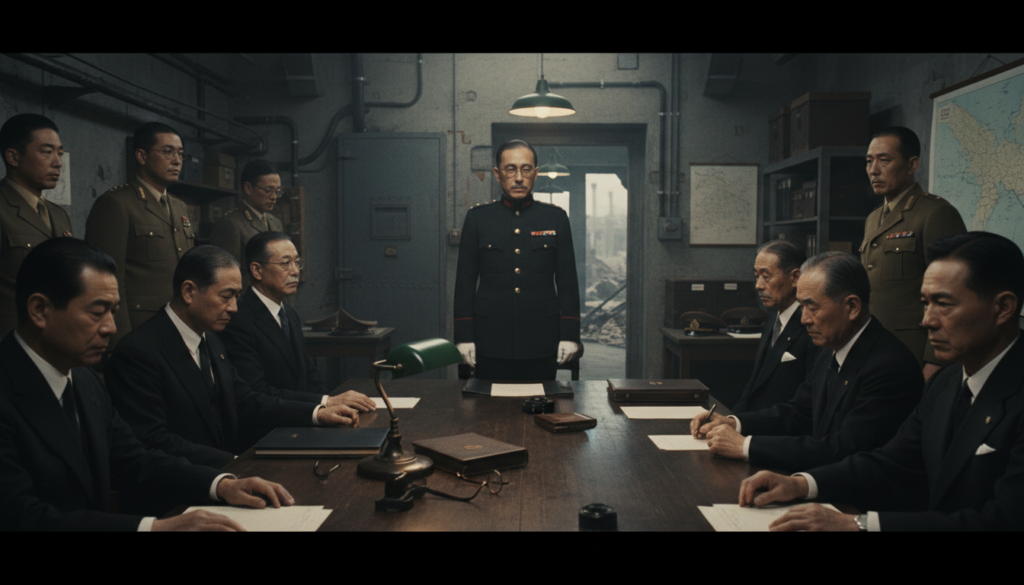
Japan Accepts Allied Surrender Terms

Year: 1945
On August 14, 1945, Japan notified the Allies that it accepted the Potsdam Declaration, with Emperor Hirohito approving surrender despite resistance within the government and military. The decision effectively ended World War II, although Hirohito announced it publicly on August 15 and the formal surrender was signed aboard the USS Missouri on September 2. Japan’s acceptance followed years of devastating war, the atomic bombings of Hiroshima and Nagasaki, and the Soviet Union’s entry into the war against Japan.
Atlantic Charter Announced
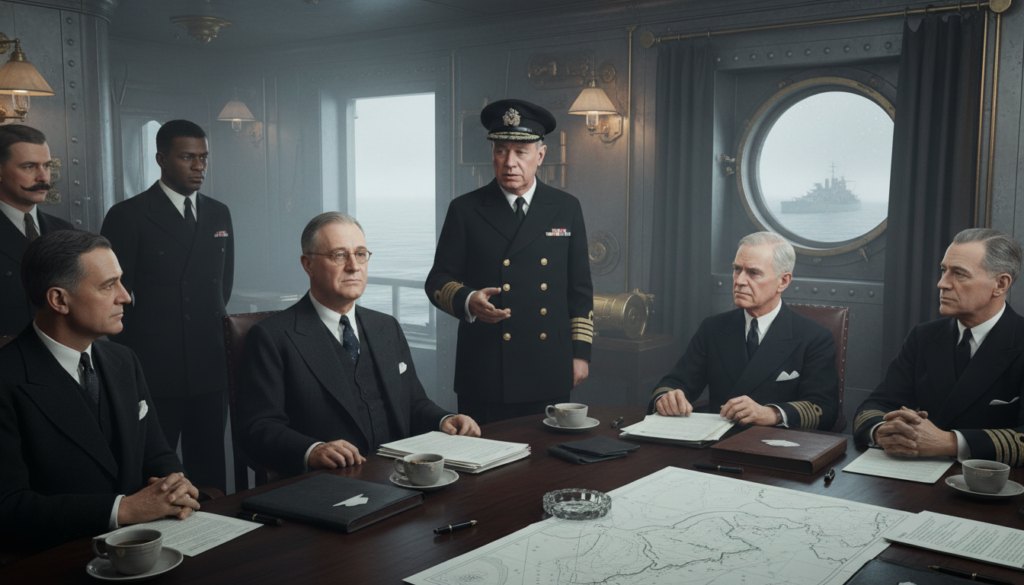
Atlantic Charter Announced
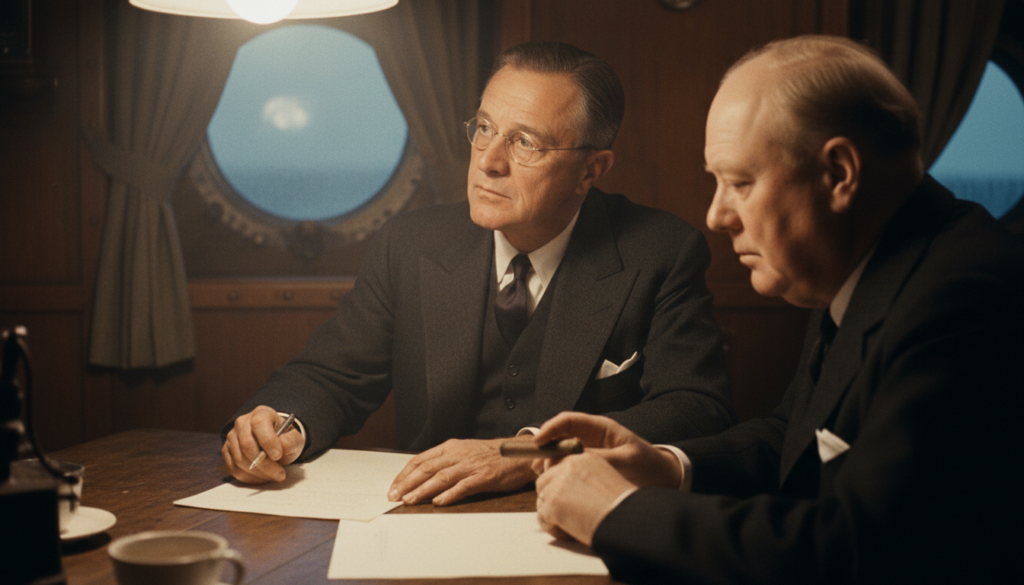
Year: 1941
On August 14, 1941, Franklin D. Roosevelt and Winston Churchill announced the Atlantic Charter after meeting off Newfoundland. It set out shared goals including self-determination, freer trade, disarmament, collective security, and no territorial expansion. Issued during World War II before the United States formally entered, it shaped Allied war aims and later influenced the United Nations.
Social Security Act Signed
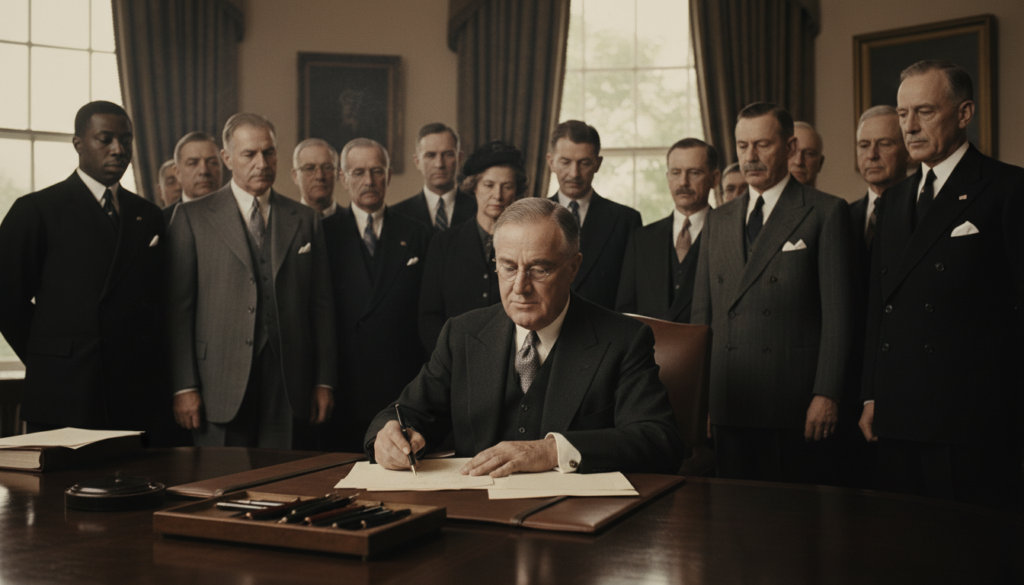
Social Security Act Signed

Year: 1935
On August 14, 1935, President Franklin D. Roosevelt signed the Social Security Act, creating federal old-age benefits and a federal-state unemployment insurance system. The law mattered because it established a lasting national safety net for retired and unemployed Americans, while also providing aid to certain vulnerable groups. Enacted during the Great Depression, it was a central part of the New Deal’s broader effort to address economic insecurity and expand the federal government’s social welfare role.