![[e]Photo Stream](/logo.png)
August 10
5 moments across history
Magellan Reaches Venus
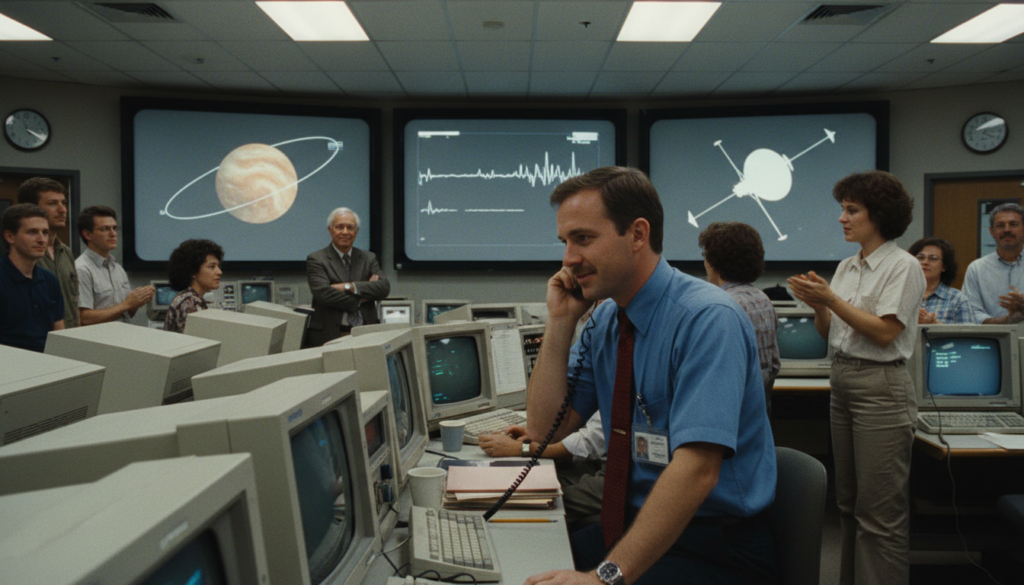
On August 10, 1990, NASA’s Magellan spacecraft entered orbit around Venus and began surveying the planet with radar. Radar penetrated Venus’s thick cloud cover, eventually mapping about 98 percent of its surface and revealing extensive volcanic and tectonic features. Launched in 1989, Magellan was the first U.S. interplanetary mission launched since 1978 and renewed detailed exploration of Earth’s neighboring planet.
Magellan Reaches Venus
Lunar Orbiter 1 Launches
Lunar Orbiter 1 Launches

Year: 1966
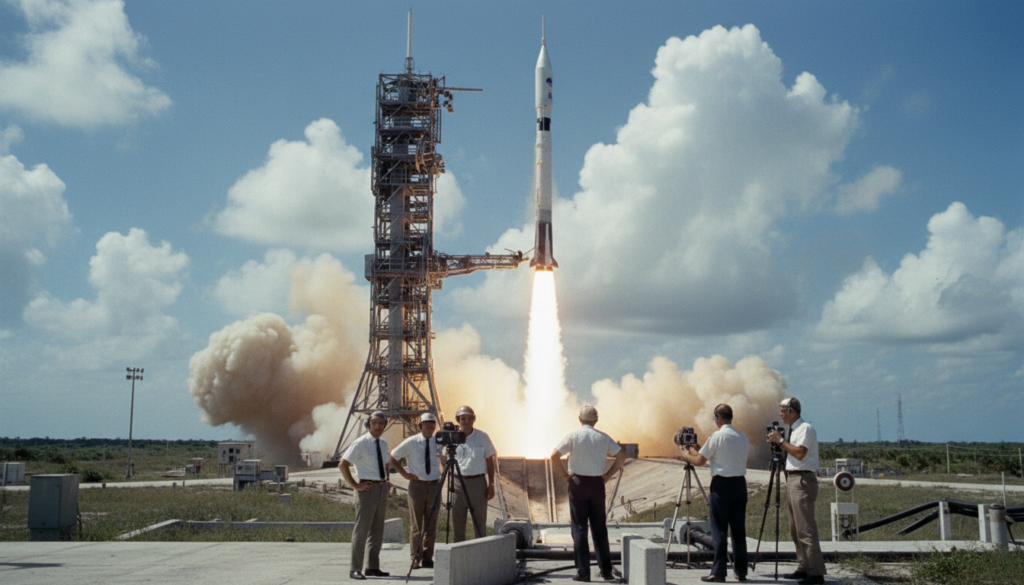
On August 10, 1966, NASA launched Lunar Orbiter 1, the first U.S. spacecraft designed to orbit and photograph the Moon. Its images helped assess potential Apollo landing sites and expanded scientific knowledge of the lunar surface. The mission was part of the U.S.–Soviet Space Race and supported NASA’s preparations to land astronauts on the Moon.
Japan Offers Conditional Surrender

Japan Offers Conditional Surrender

Year: 1945
On August 10, 1945, Japan offered to accept the Potsdam Declaration provided Emperor Hirohito’s sovereign status was preserved. The proposal opened the way toward surrender, although the Allies replied that the emperor would be subject to the Supreme Allied Commander. It came after the atomic bombings of Hiroshima and Nagasaki and the Soviet Union’s entry into the war against Japan, as World War II neared its end.
Battle of the Yellow Sea

Battle of the Yellow Sea

Year: 1904
On August 10, 1904, Japan’s Combined Fleet intercepted Russia’s Port Arthur squadron as it attempted to break through to Vladivostok, forcing most Russian ships to retreat or seek refuge in neutral ports. The battle preserved Japan’s command of the sea and kept the Russian fleet divided, aiding the Japanese campaign against the besieged base at Port Arthur. It was a major engagement of the Russo-Japanese War, fought over imperial influence in Korea and Manchuria, and preceded Japan’s decisive victory at Tsushima in 1905.
Smithsonian Institution Established
Event 5

Year: 1846
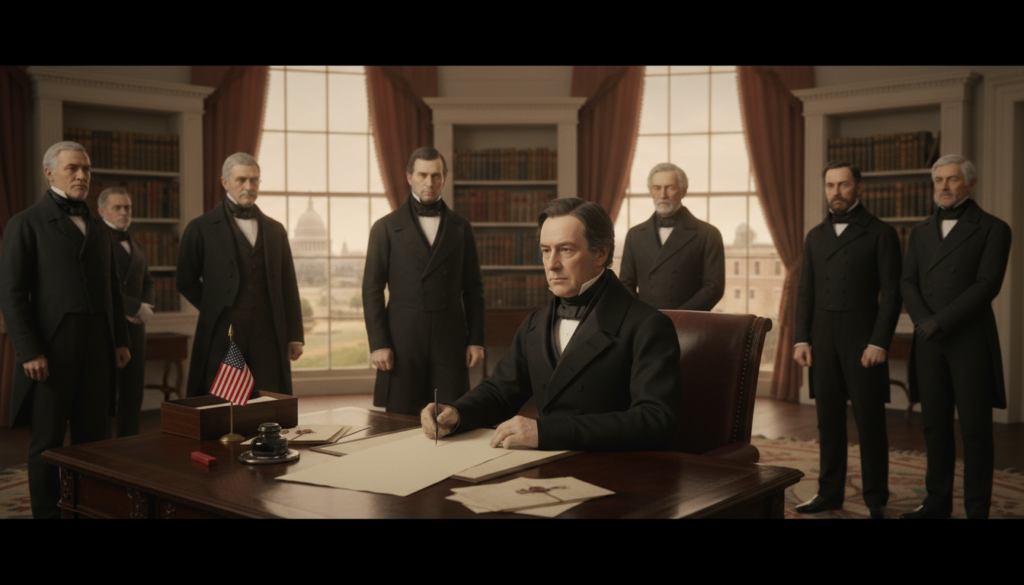
On August 10, 1846, President James K. Polk signed legislation establishing the Smithsonian Institution in Washington, D.C. Funded by British scientist James Smithson’s bequest, it created a national institution dedicated to the “increase and diffusion of knowledge.” Its founding reflected the growth of American scientific, educational, and cultural institutions during the nation’s antebellum expansion.