![[e]Photo Stream](/logo.png)

August 9
5 moments across history
Vladimir Putin Named Russian Prime Minister
On August 9, 1999, Russian President Boris Yeltsin appointed Vladimir Putin acting prime minister and publicly endorsed him as his preferred successor. The appointment elevated the little-known former security official, who was confirmed by parliament days later, and positioned him to assume the presidency after Yeltsin resigned. Amid post-Soviet political and economic instability and renewed war in Chechnya, the event marked the beginning of Putin’s long dominance of Russian politics.
Event 1
Wayne Gretzky Traded to Los Angeles
Wayne Gretzky Traded to Los Angeles

Year: 1988
On August 9, 1988, the Edmonton Oilers traded Wayne Gretzky, Marty McSorley, and Mike Krushelnyski to the Los Angeles Kings for players, draft picks, and cash. The landmark deal sent hockey’s greatest star from a recent Stanley Cup dynasty to Los Angeles, shocking Canadian fans and immediately raising the Kings’ profile. Known as “The Trade,” it helped expand the NHL’s popularity in the United States and foreshadowed the league’s growth into nontraditional hockey markets.
Gerald Ford Becomes 38th U.S. President

Gerald Ford Becomes 38th U.S. President

Year: 1974
On August 9, 1974, Vice President Gerald Ford became the 38th U.S. president after Richard Nixon resigned over the Watergate scandal. Nixon’s departure—the first presidential resignation in U.S. history—made Ford responsible for restoring public trust in the federal government. The transition concluded a constitutional crisis rooted in abuses of presidential power and came amid broader political turmoil over Vietnam and government accountability.
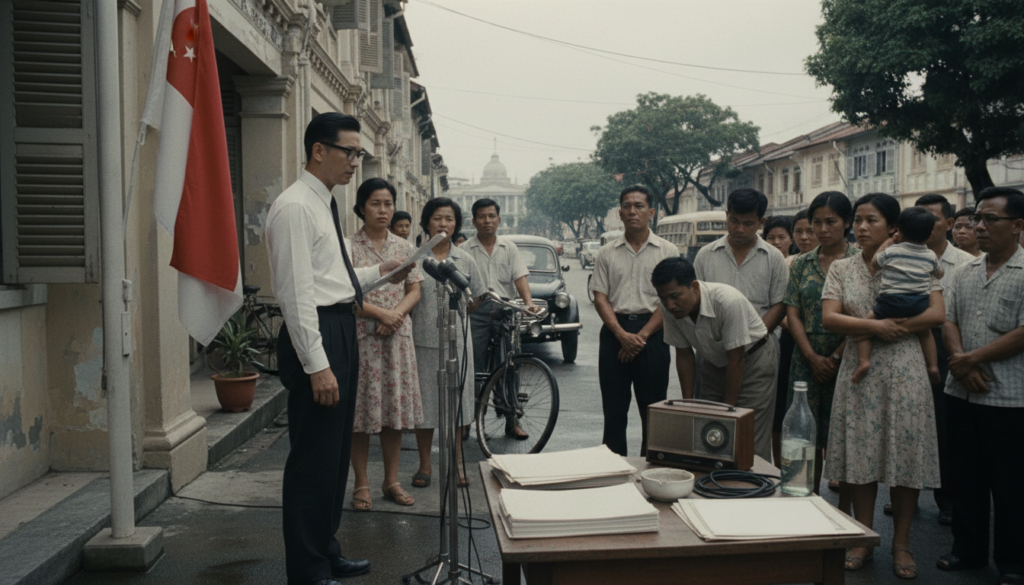
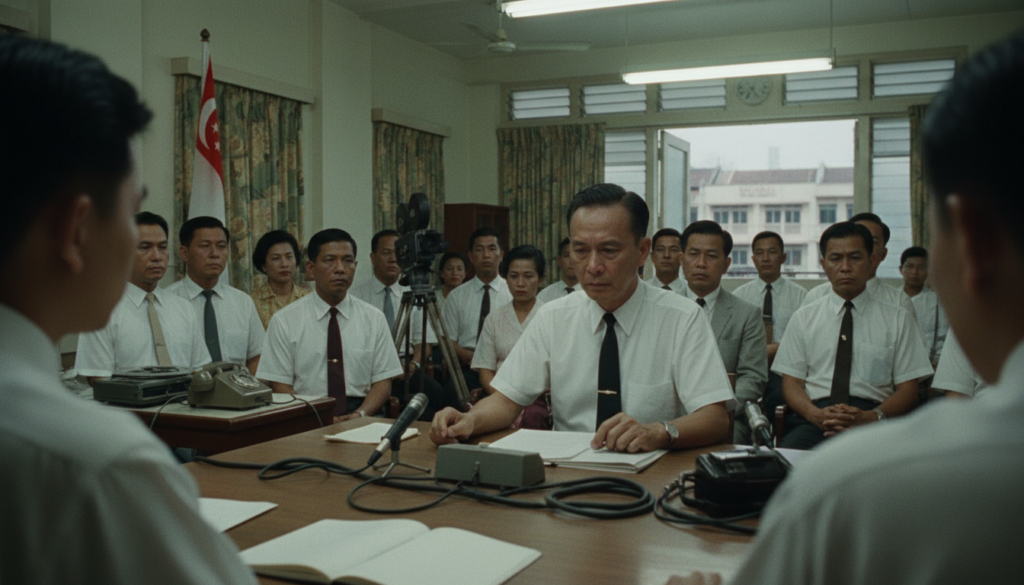
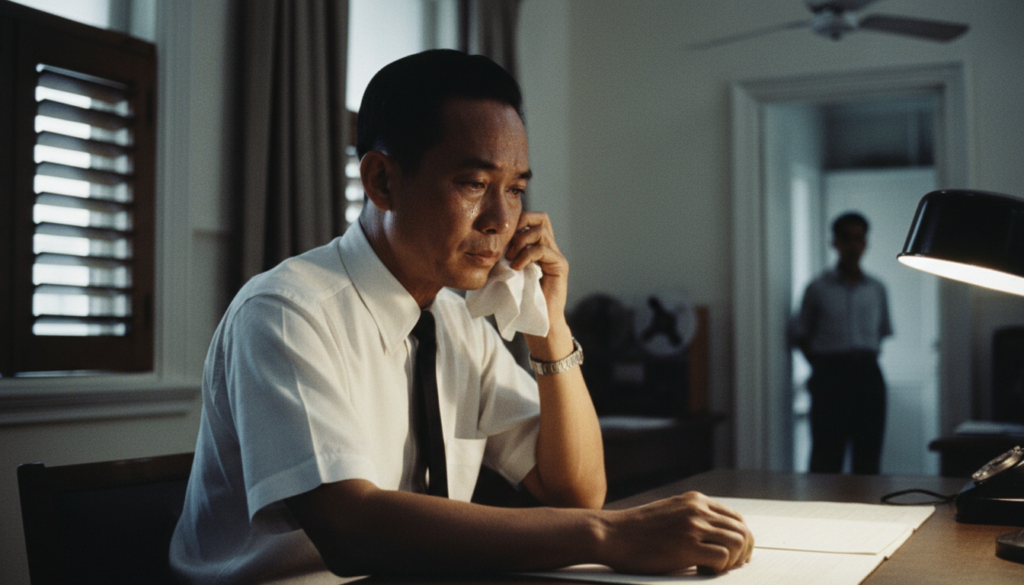
Singapore Becomes Independent
Singapore Becomes Independent
Year: 1965
On August 9, 1965, Singapore separated from Malaysia and became an independent sovereign republic. The split followed political, economic, and communal tensions, ending Singapore’s two-year membership in the Malaysian federation. The event reshaped Southeast Asia during decolonization and began Singapore’s development as a self-governing nation.
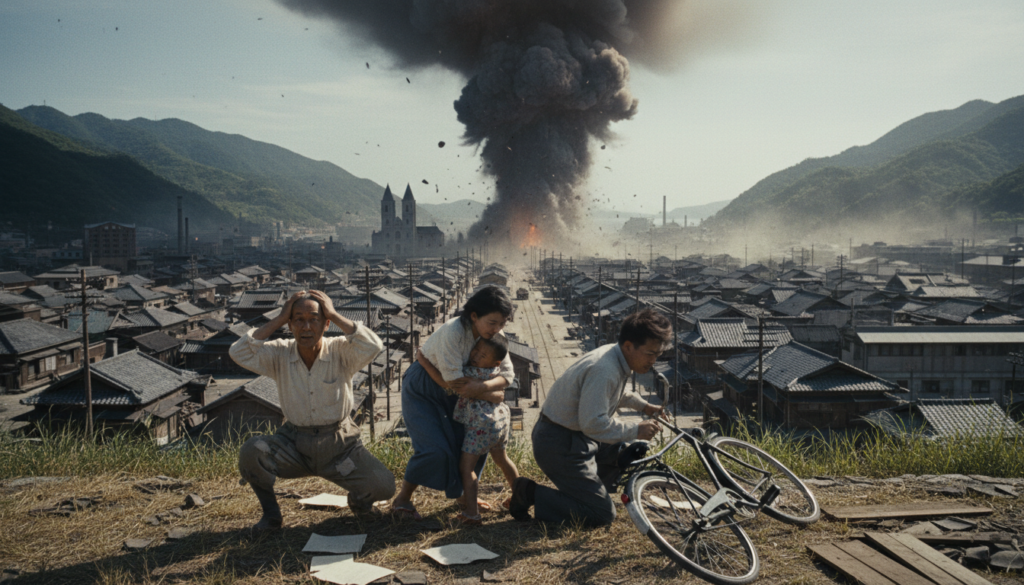
Atomic Bombing of Nagasaki
Atomic Bombing of Nagasaki

Year: 1945
On August 9, 1945, the United States dropped the plutonium atomic bomb “Fat Man” on Nagasaki, Japan, causing widespread destruction and mass casualties. The bombing contributed to Japan’s decision to surrender, leading to the end of World War II. It followed the atomic bombing of Hiroshima and coincided with the Soviet Union’s entry into the war against Japan during the final days of the Pacific War.