![[e]Photo Stream](/logo.png)

August 6
5 moments across history
Curiosity Lands on Mars
On August 6, 2012, NASA’s Curiosity rover landed in Gale Crater on Mars to study the planet’s geology and climate. Its instruments helped determine that ancient Mars had environments with liquid water and conditions potentially suitable for microbial life. The landing advanced decades of Mars exploration and demonstrated a new “sky crane” system for delivering a large rover safely to the surface.
Curiosity Lands on Mars
Voting Rights Act Signed into Law
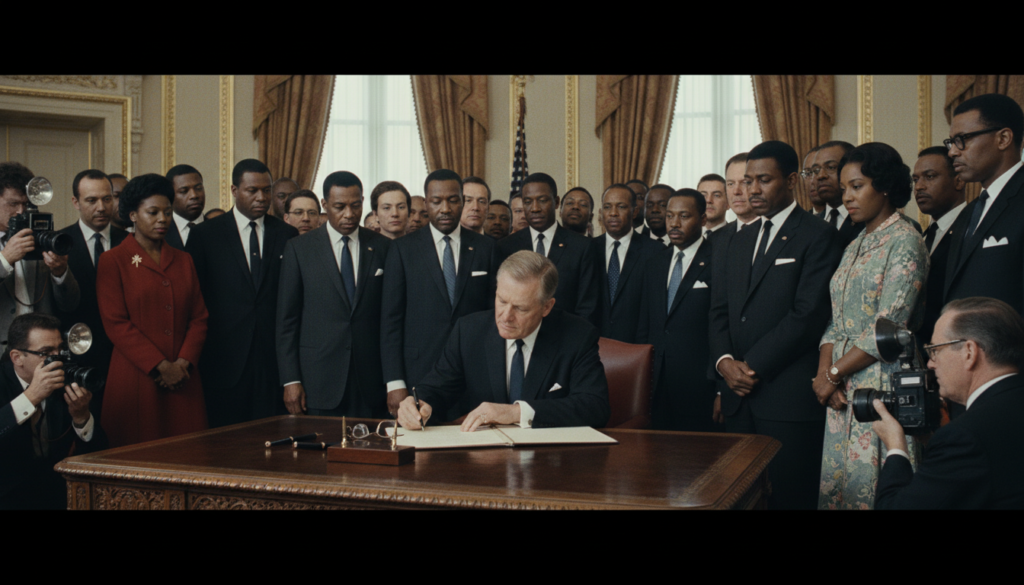
Voting Rights Act Signed into Law
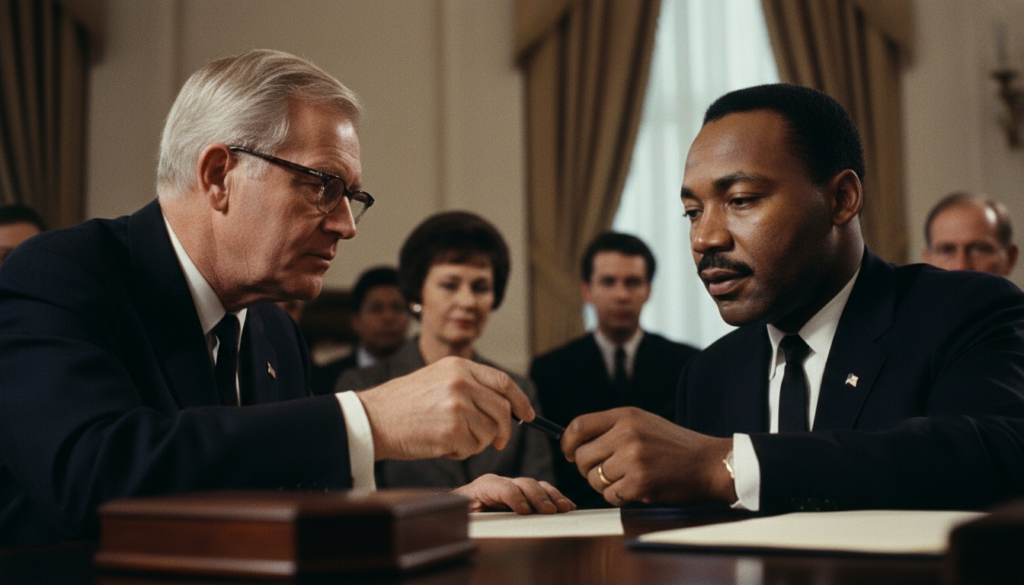
Year: 1965
On August 6, 1965, President Lyndon B. Johnson signed the Voting Rights Act, outlawing racial discrimination in voting. The law banned literacy tests and authorized federal oversight in jurisdictions where Black citizens had been systematically disenfranchised. A landmark of the civil rights movement, it enforced the Fifteenth Amendment amid a national struggle against Jim Crow segregation.
Atomic Bombing of Hiroshima

Atomic Bombing of Hiroshima

Year: 1945
On August 6, 1945, the United States dropped the uranium atomic bomb “Little Boy” on Hiroshima, Japan, killing tens of thousands of people immediately and many more later. It was the first use of a nuclear weapon in warfare and devastated the city, demonstrating the unprecedented destructive power of atomic arms. The bombing occurred near the end of World War II; after a second atomic bombing of Nagasaki and the Soviet entry into the war against Japan, Japan announced its surrender.
Austria-Hungary Declares War on Russia

Austria-Hungary Declares War on Russia
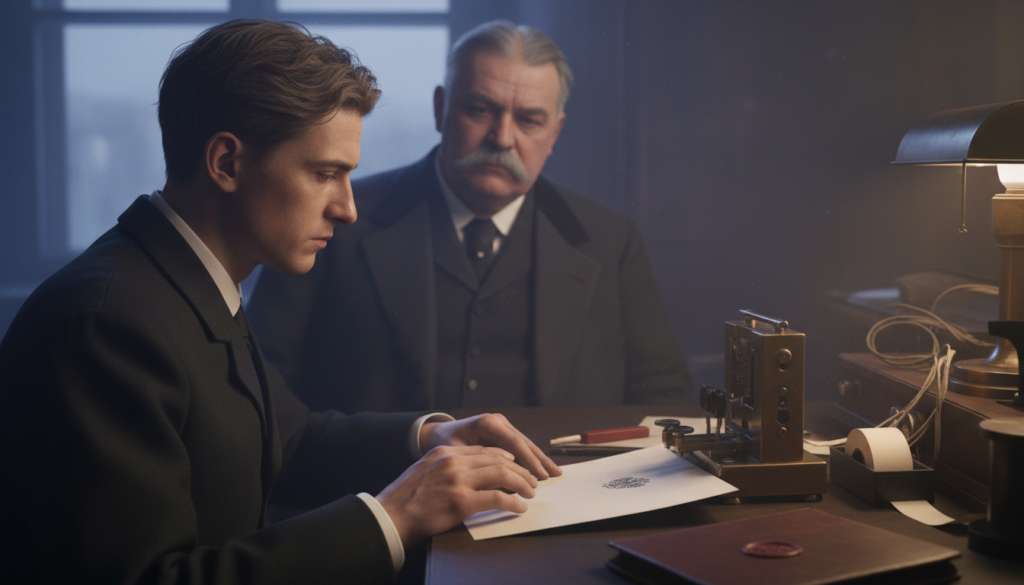
Year: 1914
On August 6, 1914, Austria-Hungary declared war on Russia as the crisis triggered by the assassination of Archduke Franz Ferdinand continued to escalate. The declaration widened the fighting beyond Austria-Hungary’s war with Serbia and reinforced the involvement of Europe’s major powers through their rival alliances. It came after Germany had declared war on Russia and France, illustrating how the July Crisis rapidly developed into World War I.
First Execution by Electric Chair

First Execution by Electric Chair

Year: 1890
On August 6, 1890, William Kemmler was executed at Auburn Prison in New York, becoming the first person put to death in an electric chair. The method was introduced as a supposedly more humane alternative to hanging, but Kemmler’s prolonged execution raised immediate doubts about that claim. The event reflected late-19th-century efforts to modernize capital punishment and unfolded amid public controversy over electrical technology and the death penalty.