
September 30
5 moments across history
Rosetta Mission Ends on Comet 67P
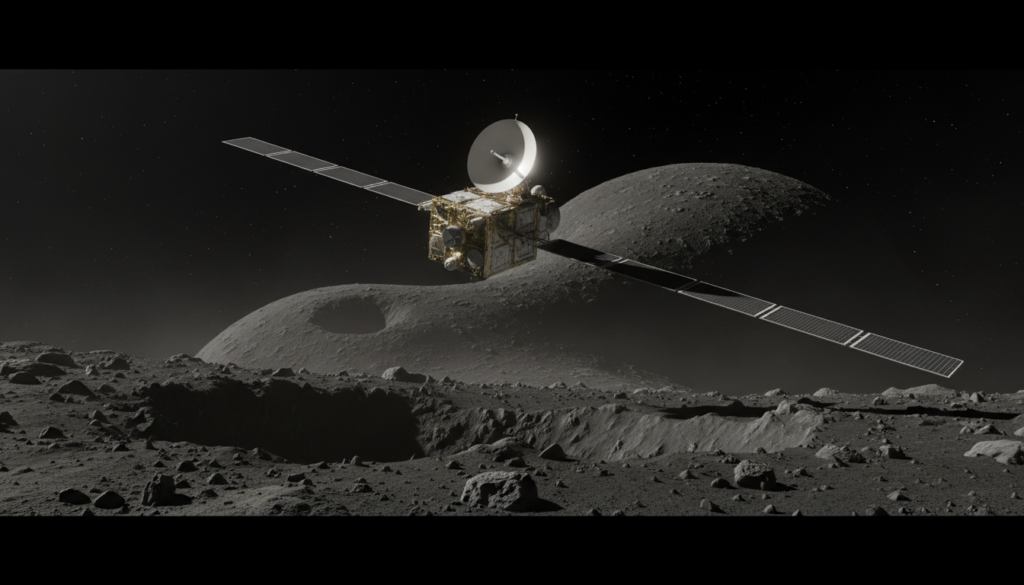
On September 30, 2016, ESA ended the Rosetta mission with a controlled descent onto comet 67P/Churyumov–Gerasimenko. The impact concluded more than two years of close observations that transformed scientists’ understanding of cometary structure, chemistry, and activity. Rosetta was the first spacecraft to orbit a comet and had deployed Philae, the first probe to achieve a soft landing on a comet’s surface.
Rosetta Mission Ends on Comet 67P
Botswana Gains Independence
Botswana Gains Independence
Year: 1966
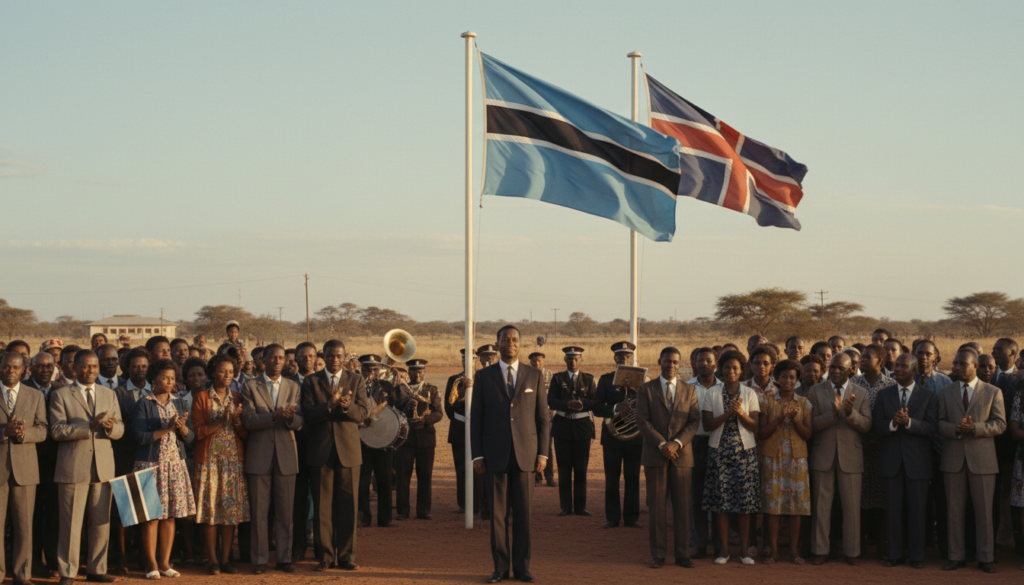
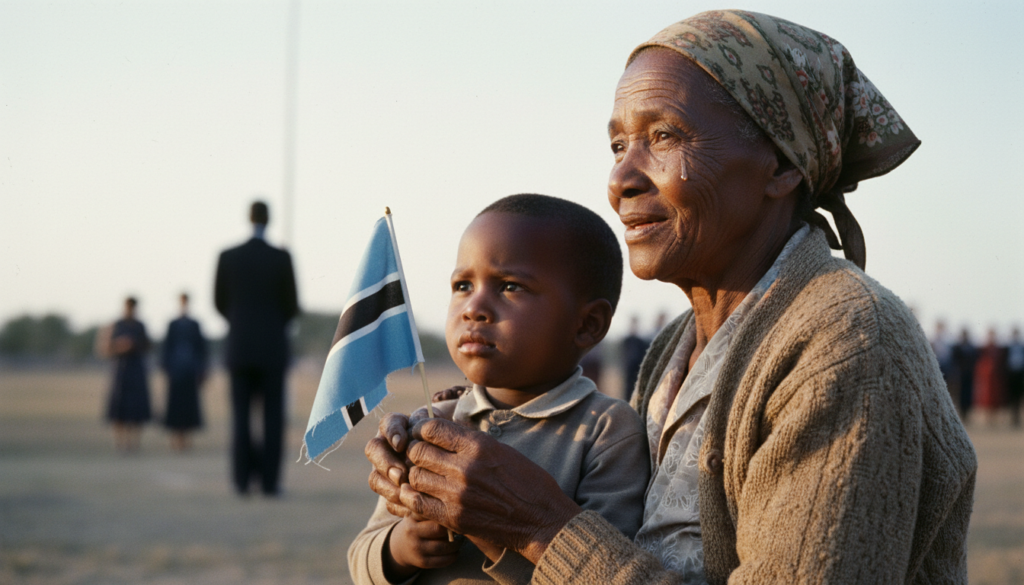
On September 30, 1966, the British protectorate of Bechuanaland became the independent Republic of Botswana. Independence established Botswana as a sovereign state under its first president, Seretse Khama. The transition formed part of Africa’s wider decolonization and occurred amid white-minority rule in much of southern Africa.
USS Nautilus Commissioned
USS Nautilus Commissioned
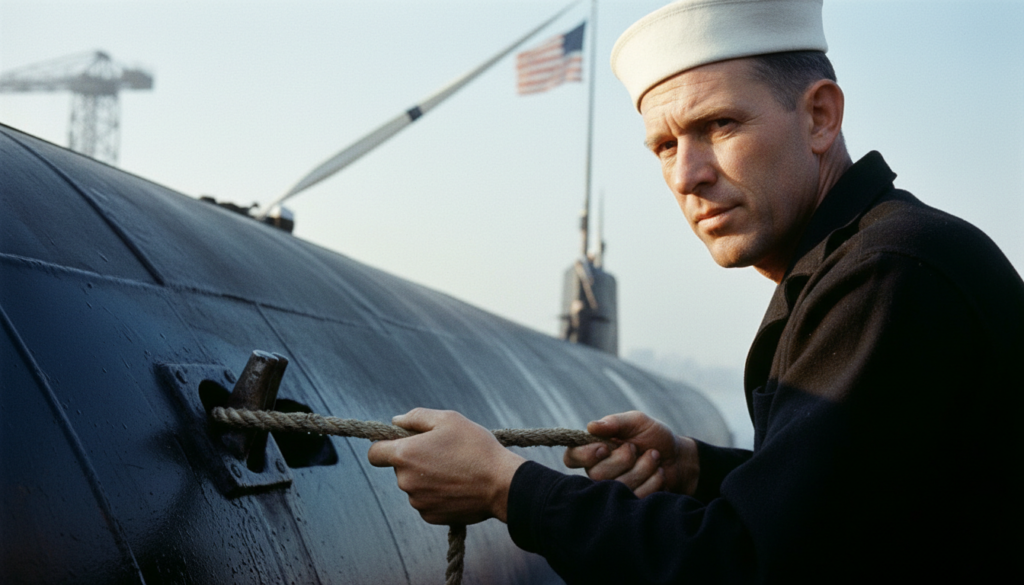
Year: 1954
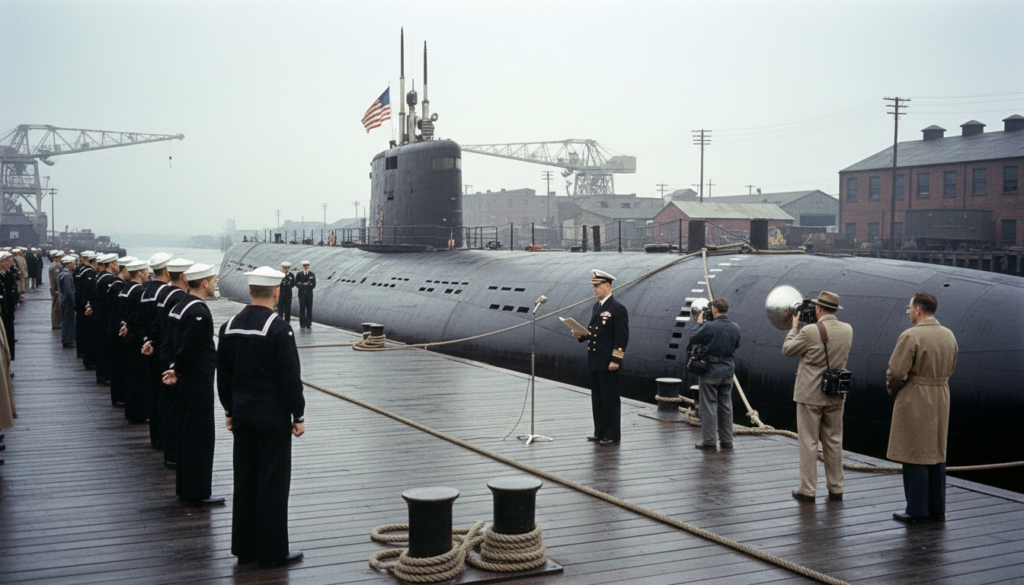
On September 30, 1954, the U.S. Navy commissioned USS Nautilus, the world’s first operational nuclear-powered submarine. Its reactor enabled far greater underwater endurance and speed than diesel-electric submarines, transforming undersea warfare and naval strategy. Commissioned during the Cold War, Nautilus marked a major advance in the U.S.-Soviet competition for technological and military superiority.
Berlin Airlift Officially Ends
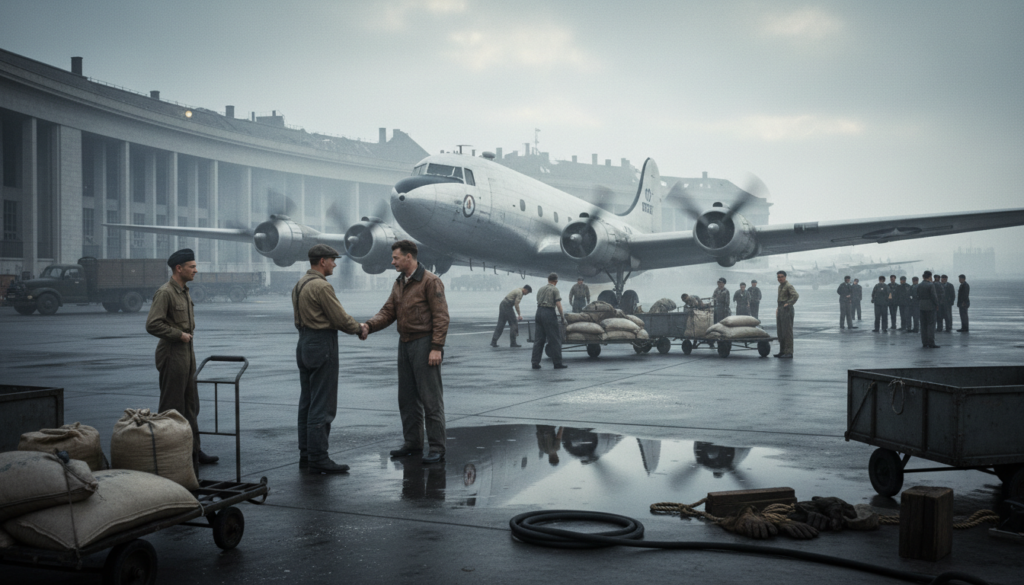
Berlin Airlift Officially Ends

Year: 1949
On September 30, 1949, the Western Allies officially ended the Berlin Airlift, which had supplied West Berlin by air during the Soviet blockade. The operation kept the city’s population sustained without abandoning West Berlin or forcing an armed confrontation with the Soviet Union. It became an early Cold War test of resolve, deepening Europe’s division after World War II and foreshadowing the creation of rival German states.
The Munich Agreement Is Signed
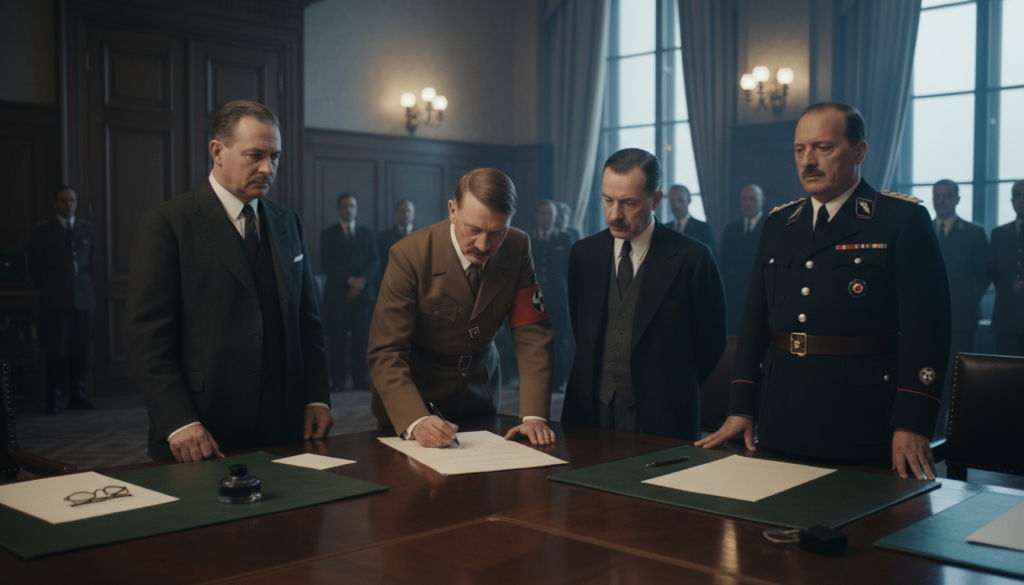
The Munich Agreement Is Signed

Year: 1938
On September 30, 1938, Britain, France, Germany, and Italy signed the Munich Agreement, allowing Nazi Germany to annex Czechoslovakia’s Sudetenland without Czechoslovak participation. The pact mattered because it surrendered a strategically vital region in the hope of preserving peace, weakening Czechoslovakia while strengthening Adolf Hitler. A defining act of appeasement during Nazi expansion, it failed to prevent further aggression: Germany occupied the rest of the Czech lands in March 1939, before World War II began.