
September 12
5 moments across history
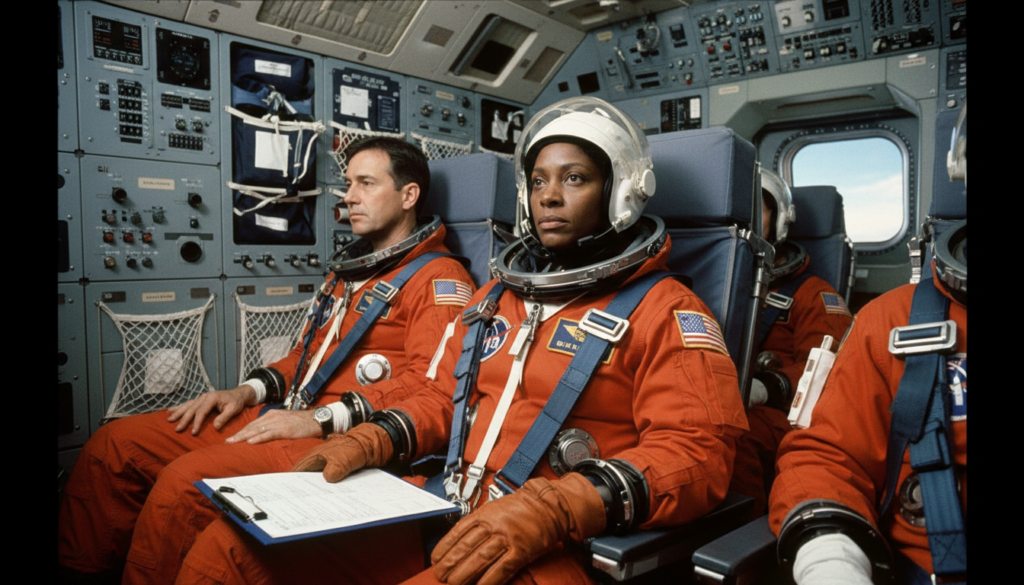
Mae Jemison Becomes the First Black Woman in Space
On September 12, 1992, the Space Shuttle Endeavour launched on mission STS-47 with NASA astronaut Mae Jemison aboard. Jemison’s flight made her the first Black woman to travel into space, marking a milestone in representation in human spaceflight. Her achievement came during the Space Shuttle era and reflected the gradual diversification of a space program long dominated by white men.
Mae Jemison Becomes the First Black Woman in Space
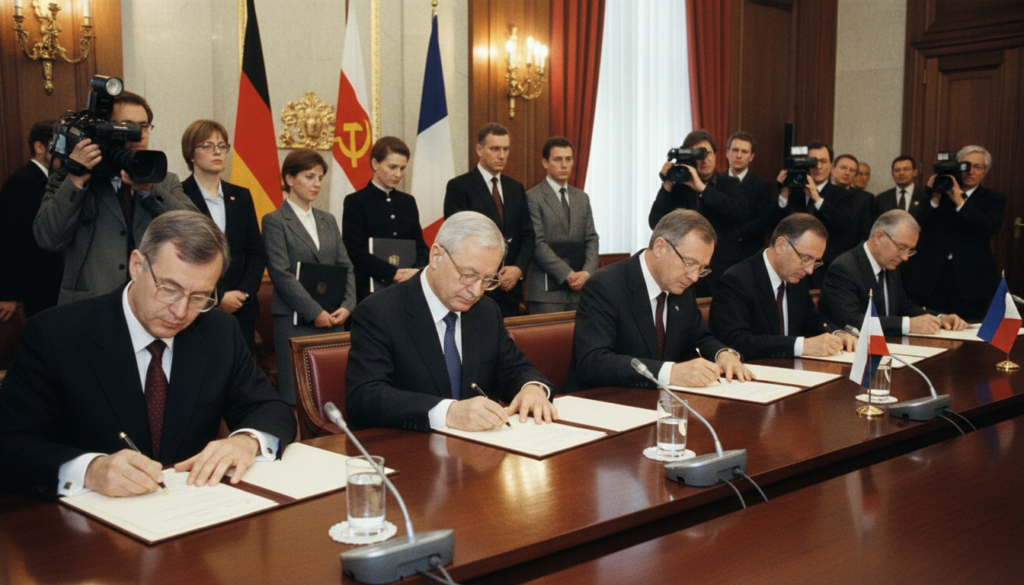
Two Plus Four Treaty Signed
Two Plus Four Treaty Signed
Year: 1990
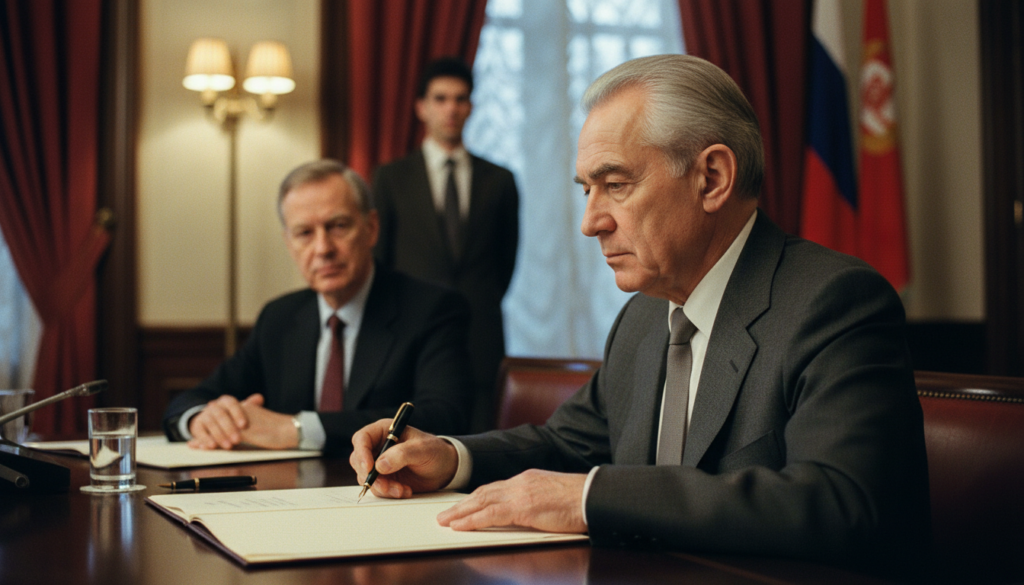
On September 12, 1990, East and West Germany and the four Allied powers—the United States, Soviet Union, United Kingdom, and France—signed the Two Plus Four Treaty in Moscow. It settled Germany’s borders, security arrangements, and full sovereignty, clearing the way for German reunification on October 3, 1990. The agreement resolved issues left from World War II and symbolized the end of Germany’s Cold War division and the weakening of the postwar order in Europe.
Steve Biko Dies in Police Custody

Steve Biko Dies in Police Custody
Year: 1977
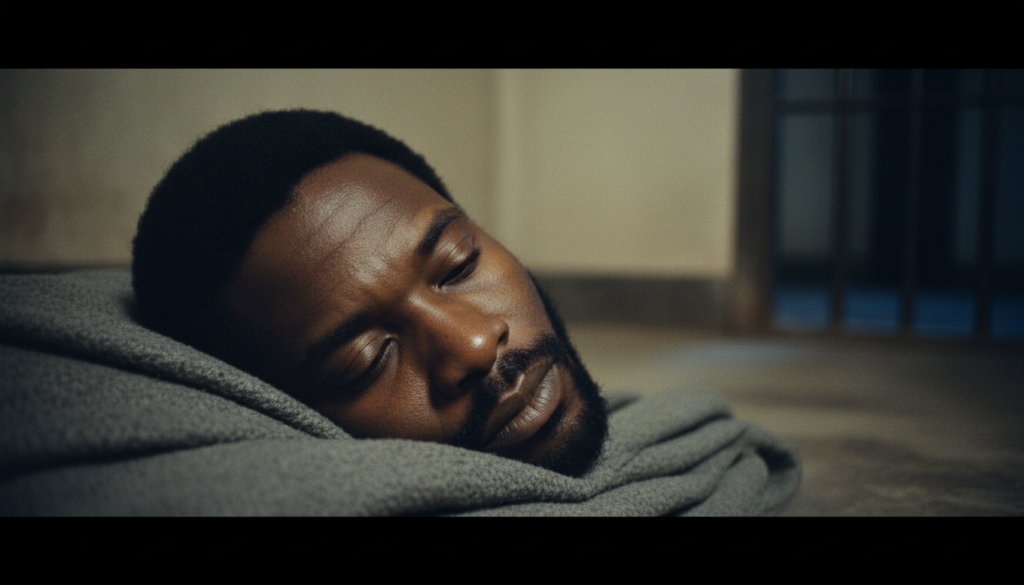
On September 12, 1977, South African anti-apartheid activist Steve Biko died from brain injuries sustained after police beat him in custody. His death exposed the brutality of apartheid’s security apparatus and made him an international symbol of resistance to racial oppression. Biko led the Black Consciousness Movement, which empowered Black South Africans amid state repression and the broader struggle to end apartheid.
Haile Selassie Deposed in Ethiopia

Haile Selassie Deposed in Ethiopia
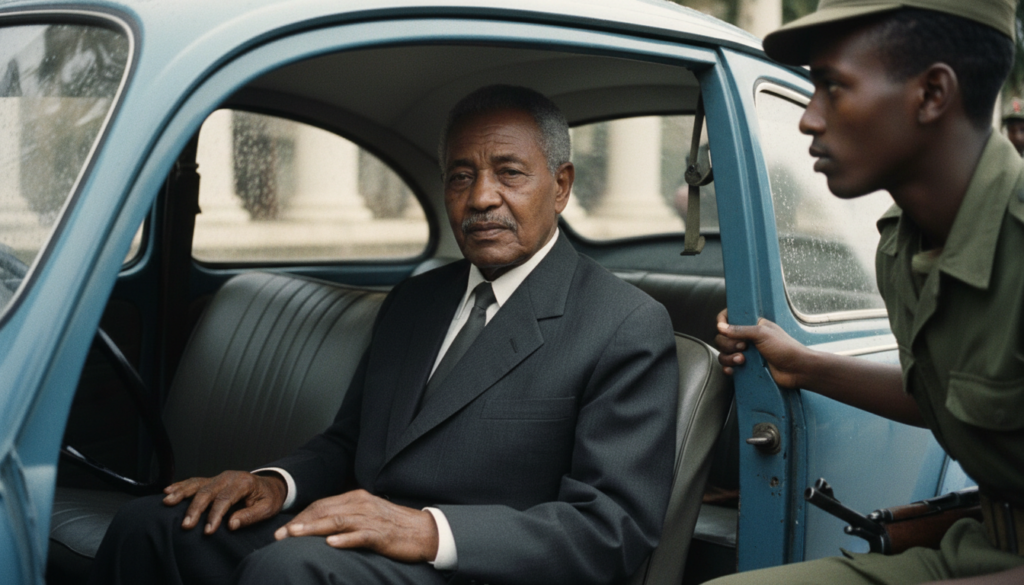
Year: 1974
On September 12, 1974, Ethiopia’s military committee, known as the Derg, deposed Emperor Haile Selassie after decades on the throne. His removal paved the way for the monarchy’s formal abolition in 1975 and the establishment of a repressive Marxist military regime. The coup followed famine, economic hardship, military mutinies, and mass protests, amid wider Cold War struggles in Africa.
Kennedy Delivers Moon Speech
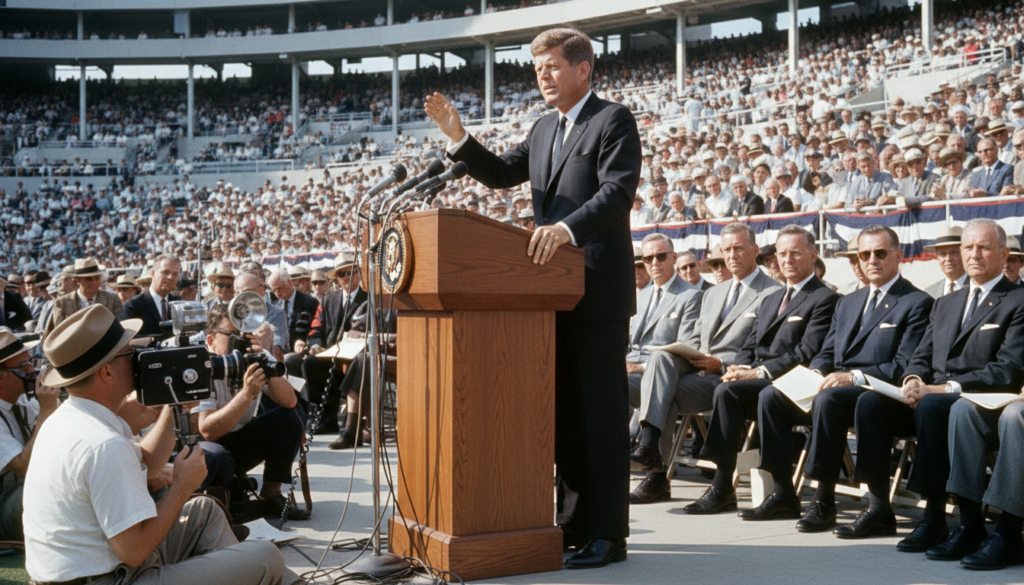
Kennedy Delivers Moon Speech
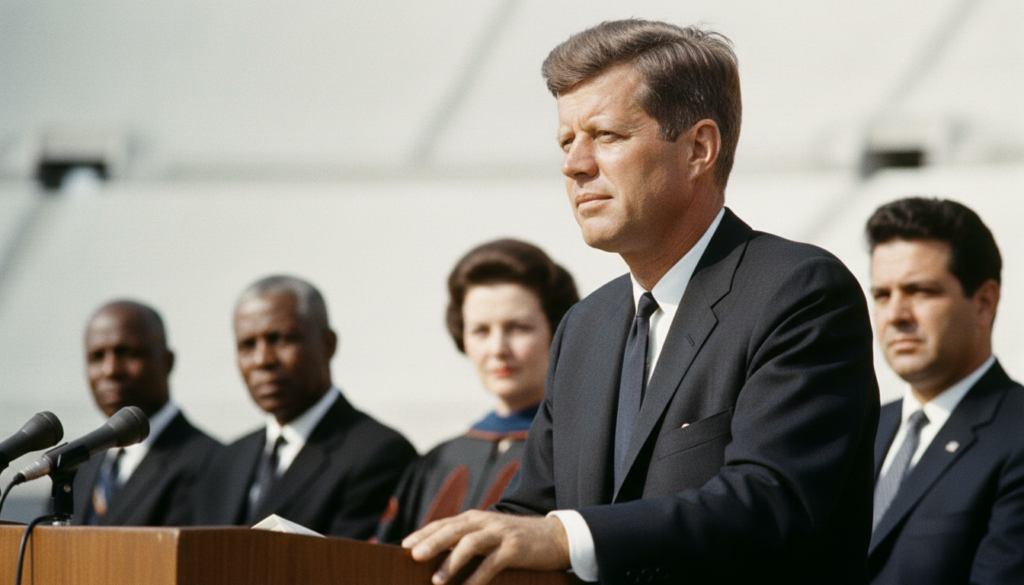
Year: 1962
On September 12, 1962, President John F. Kennedy told an audience at Rice University that the United States would send astronauts to the Moon and return them safely to Earth. The speech helped build public and political support for the Apollo program, presenting the lunar goal as a test of American ingenuity, resources, and resolve. It came amid the Cold War space race, after early Soviet achievements had spurred the United States to demonstrate technological leadership by landing humans on the Moon before the decade’s end.