
September 2
5 moments across history
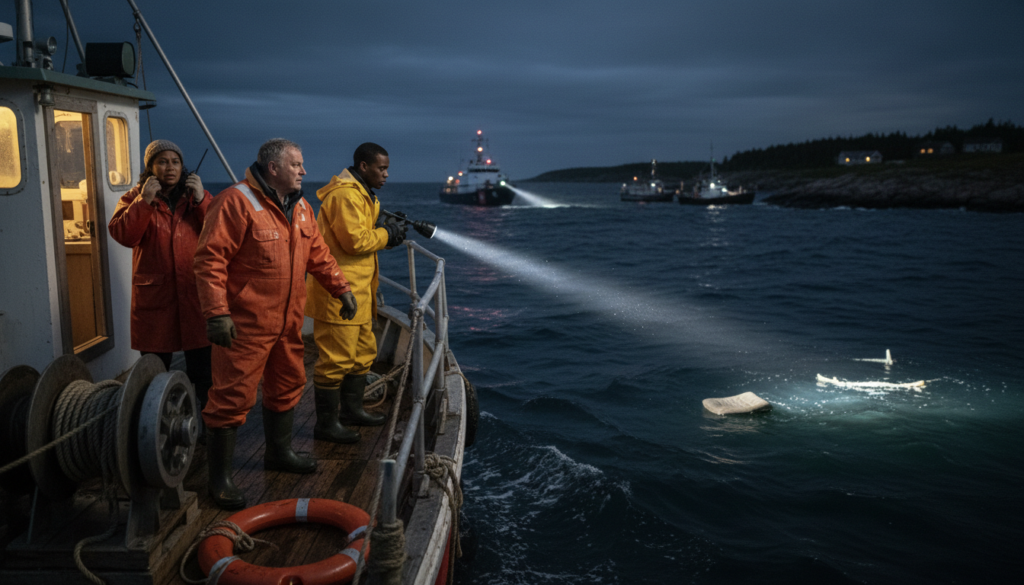
Swissair Flight 111 Crashes Near Nova Scotia
On September 2, 1998, Swissair Flight 111, a McDonnell Douglas MD-11 bound from New York to Geneva, crashed into the Atlantic near Nova Scotia after an in-flight fire, killing all 229 aboard. Canada’s investigation linked the fire to electrical arcing and flammable insulation materials, prompting improvements in aircraft wiring, insulation, firefighting procedures, and flight-recorder standards. The disaster became one of Canada’s deadliest aviation accidents and reflected a broader late-20th-century push to strengthen air safety through intensive crash investigation and regulatory reform.
Swissair Flight 111 Crashes Near Nova Scotia
Japan Formally Surrenders
Japan Formally Surrenders
Year: 1945
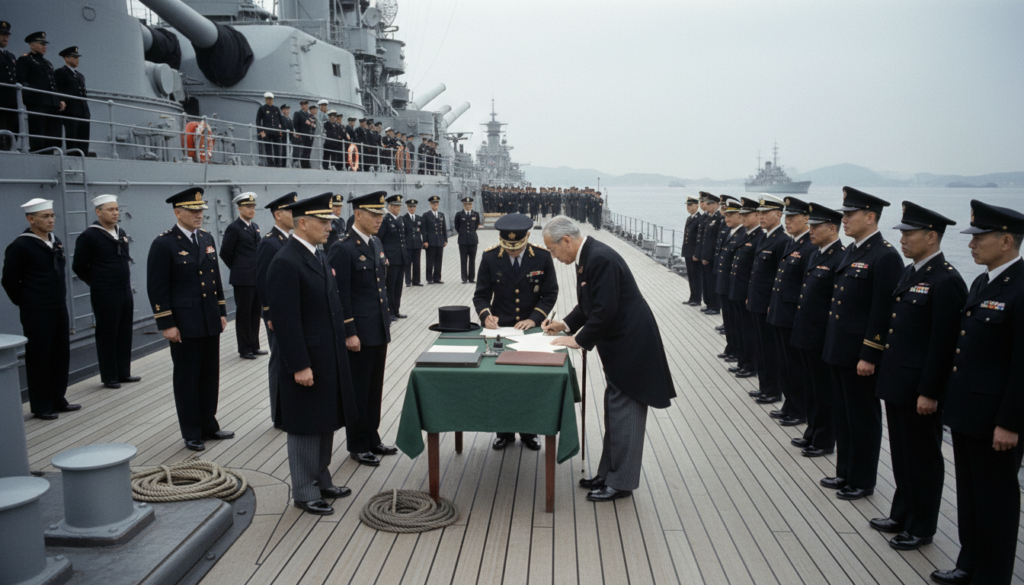
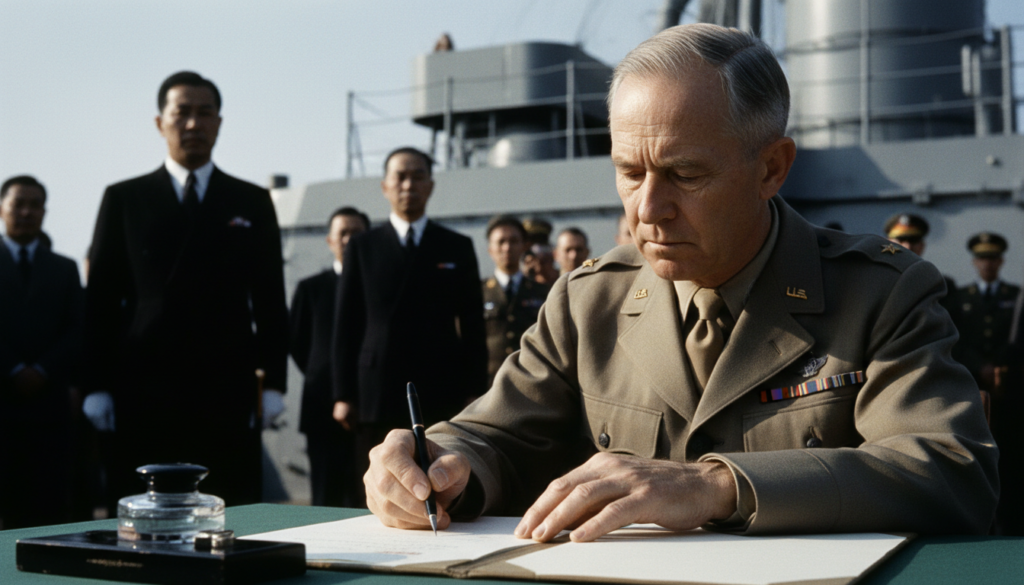
On September 2, 1945, Japanese representatives signed the Instrument of Surrender aboard the USS Missouri in Tokyo Bay. The signing formally ended World War II and confirmed Japan’s acceptance of the Allied powers’ surrender terms. It followed Japan’s August 15 surrender announcement after years of war in Asia and the Pacific, the atomic bombings, and the Soviet entry into the war against Japan.
Theodore Roosevelt Delivers His “Big Stick” Speech

Theodore Roosevelt Delivers His “Big Stick” Speech
Year: 1901
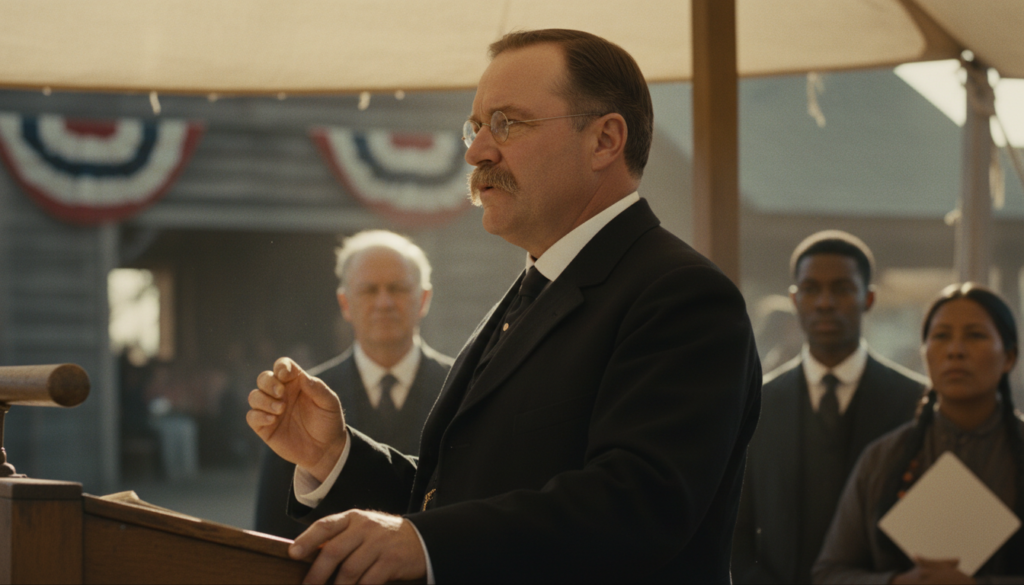
On September 2, 1901, Vice President Theodore Roosevelt told the Minnesota State Fair audience, “Speak softly and carry a big stick; you will go far.” The phrase became shorthand for his later presidential approach: pursue diplomacy while maintaining enough military power to make it effective. It reflected the United States’ growing international role after the Spanish-American War, as the country expanded its influence in the Caribbean, Latin America, and the Pacific.
Battle of Omdurman

Battle of Omdurman
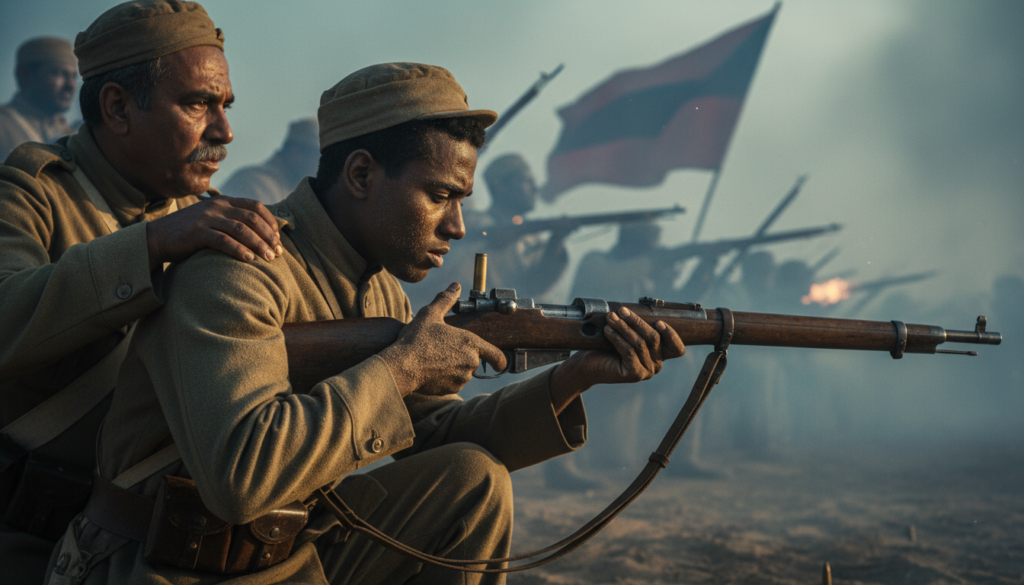
Year: 1898
On September 2, 1898, Herbert Kitchener’s Anglo-Egyptian army decisively defeated the Mahdist forces at Omdurman, near Khartoum. The victory broke the Mahdist state’s military power and enabled Anglo-Egyptian forces to retake Khartoum and dominate Sudan. It culminated the reconquest launched after the Mahdist uprising and the 1885 fall of Khartoum, amid European imperial competition in Africa.
Napoleon III Surrenders at Sedan

Napoleon III Surrenders at Sedan

Year: 1870
On September 2, 1870, Emperor Napoleon III surrendered to Prussian forces after the French army’s decisive defeat at Sedan. His capture precipitated the collapse of France’s Second Empire and the proclamation of the Third Republic in Paris. The battle was a turning point in the Franco-Prussian War, which ended in French defeat and helped complete German unification under Prussian leadership.