
September 7
5 moments across history
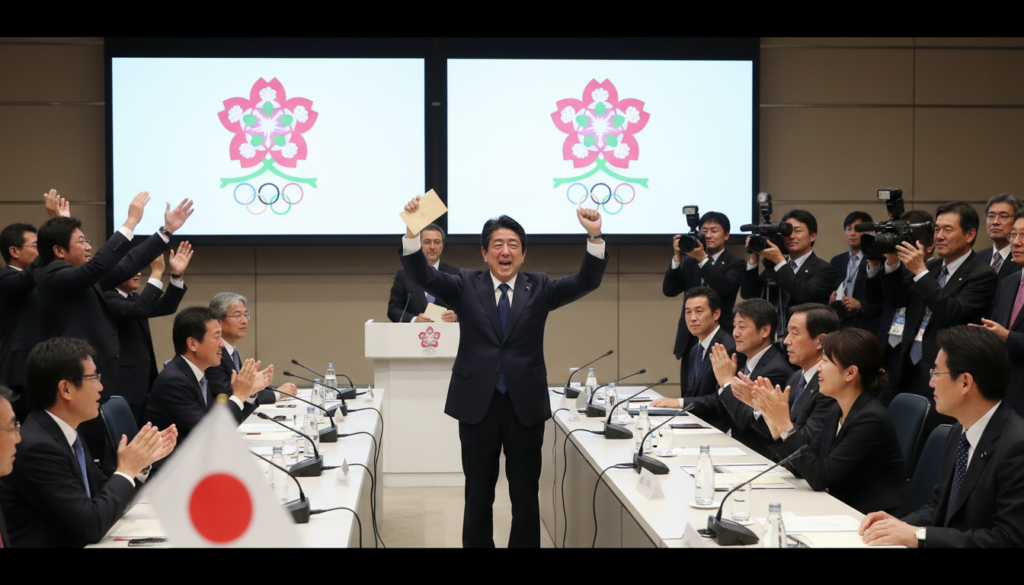
Tokyo Awarded the 2020 Summer Olympics
On September 7, 2013, the IOC selected Tokyo over Istanbul and Madrid to host the 2020 Summer Olympics. The decision made Tokyo the first Asian city chosen to host the Summer Games twice, after previously hosting them in 1964. In broader context, the Games were postponed by the COVID-19 pandemic and ultimately held in 2021 under the Tokyo 2020 name.
Tokyo Awarded the 2020 Summer Olympics
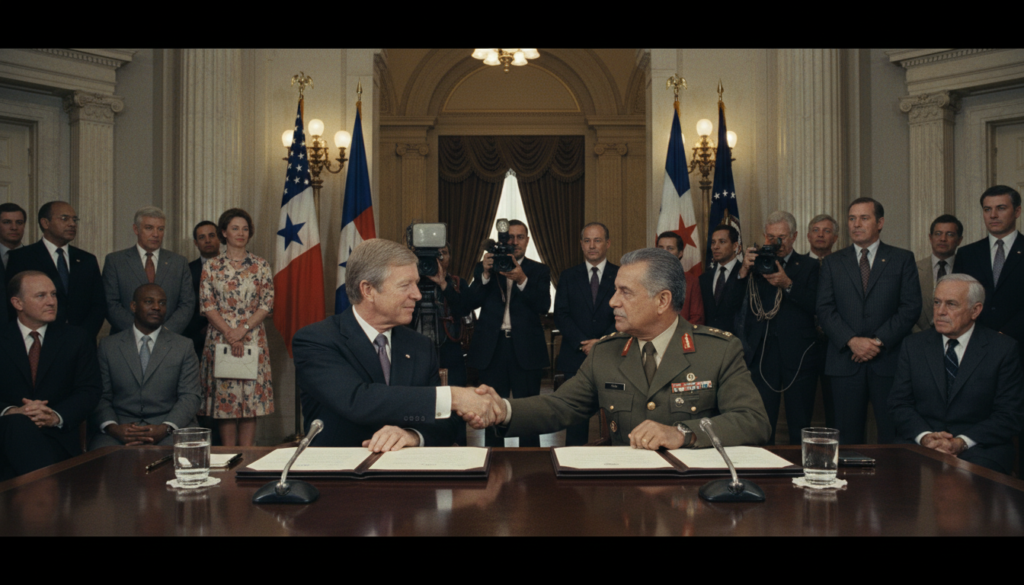
Torrijos-Carter Treaties Signed
Torrijos-Carter Treaties Signed
Year: 1977
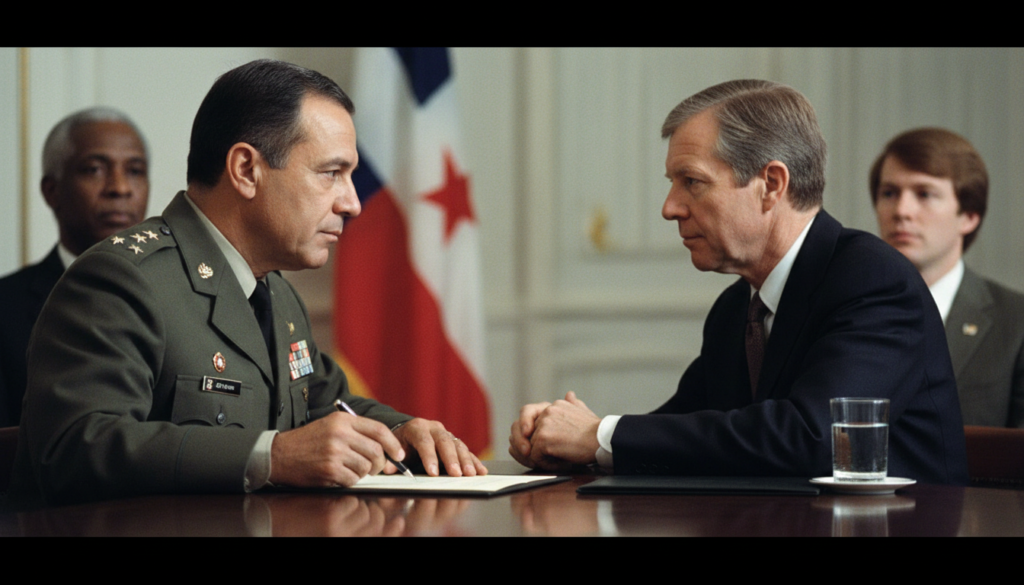
On September 7, 1977, U.S. President Jimmy Carter and Panamanian leader Omar Torrijos signed two treaties governing the Panama Canal. The agreements provided for the canal’s gradual transfer to Panama by December 31, 1999, while guaranteeing its permanent neutrality. They addressed long-standing Panamanian demands for sovereignty after decades of U.S. control rooted in the 1903 canal agreements.
The Blitz Begins

The Blitz Begins

Year: 1940
On September 7, 1940, Nazi Germany began sustained raids on London, marking the start of the Blitz, which later targeted other British cities. The bombing killed civilians, destroyed homes and infrastructure, and sought to weaken British morale, but Britain did not surrender. The Blitz occurred during World War II after the fall of France, as Germany tried to gain air superiority and pressure Britain into capitulation.
Electronic Television Demonstrated

Electronic Television Demonstrated

Year: 1927
On September 7, 1927, inventor Philo Farnsworth transmitted a simple image with his fully electronic television system in San Francisco. His use of electronic scanning and reception helped establish a practical foundation for modern television, without relying on mechanical scanning disks. The demonstration came amid international efforts to develop television and preceded years of further refinement, patent disputes, and eventual commercial broadcasting.
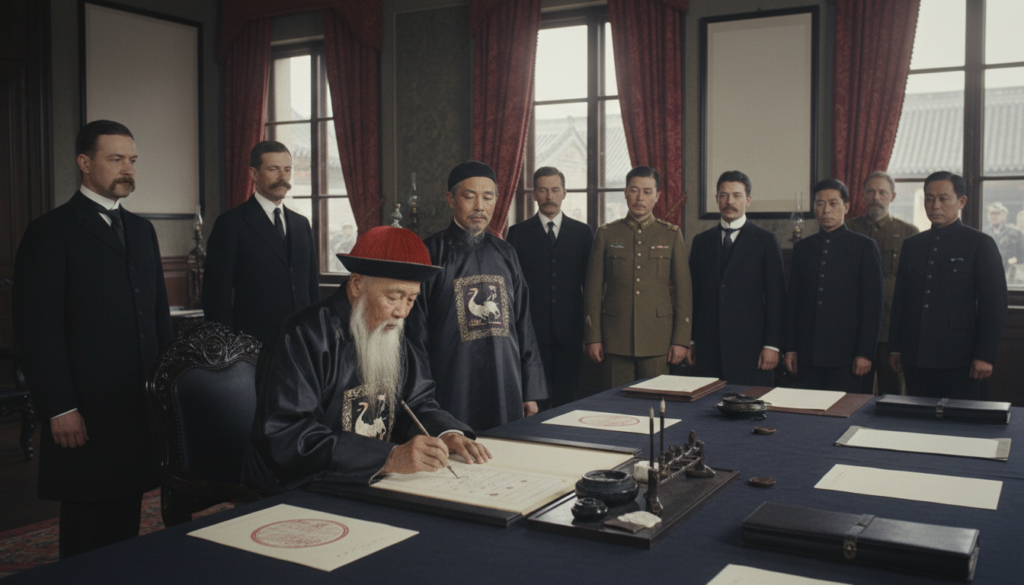
Boxer Protocol Signed in Beijing
Boxer Protocol Signed in Beijing
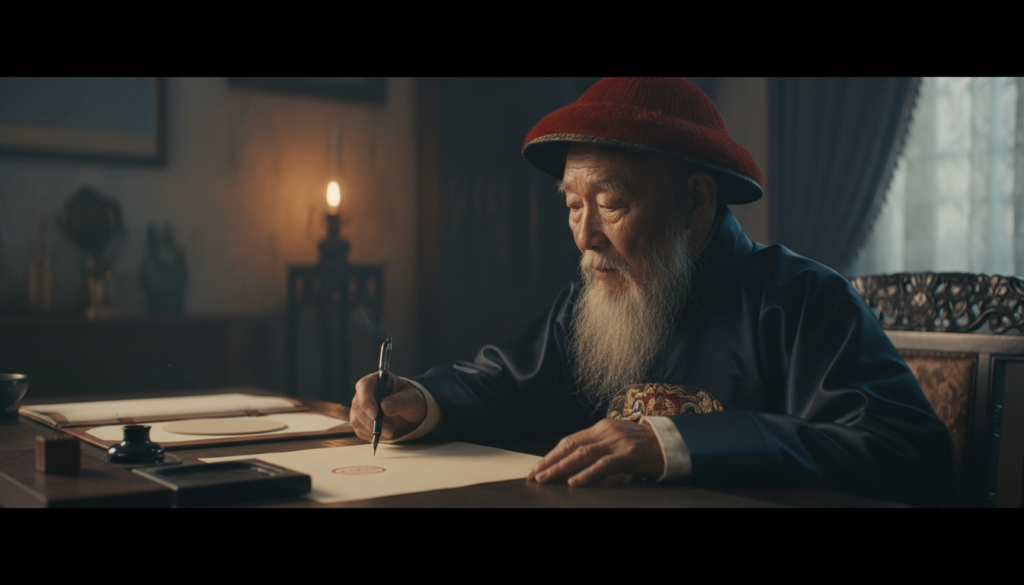
Year: 1901
On September 7, 1901, Qing China and eleven foreign powers signed the Boxer Protocol in Beijing, formally ending the Boxer Rebellion. The agreement imposed a huge indemnity, punished Chinese officials, and expanded foreign military rights and influence in China. It followed the anti-foreign Boxer uprising and an international military intervention, deepening China’s subordination to imperial powers.