
September 19
5 moments across history
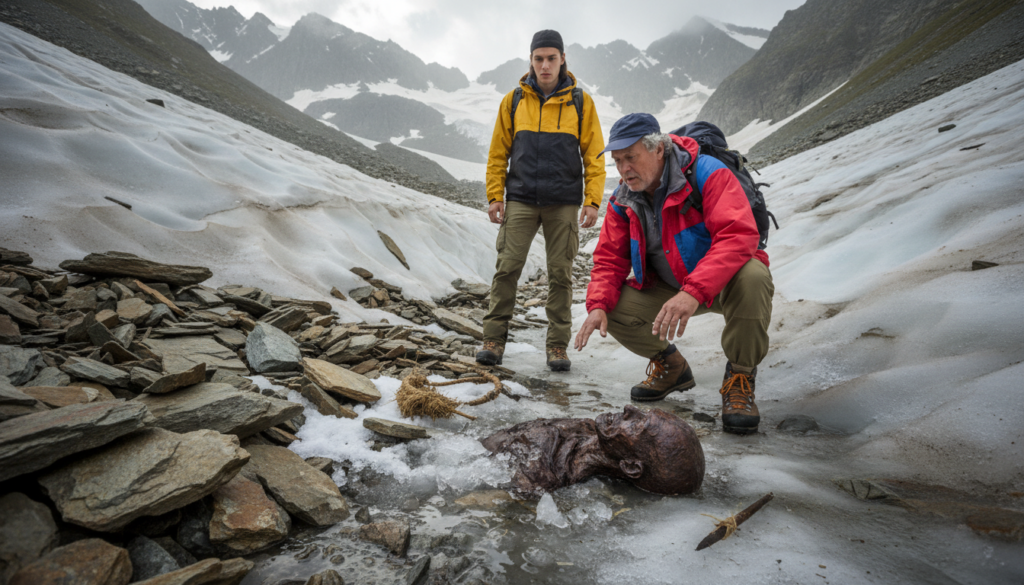
Discovery of Ötzi
On September 19, 1991, hikers discovered Ötzi, a naturally preserved human mummy, in the Ötztal Alps near the Austria–Italy border. Dating to about 3300 BCE, his body, clothing, and equipment offered exceptionally detailed evidence about Copper Age health, technology, and daily life. The find illuminated a transformative era in European prehistory, when metalworking was spreading alongside established farming and herding communities.
Discovery of Ötzi
Mexico City Earthquake
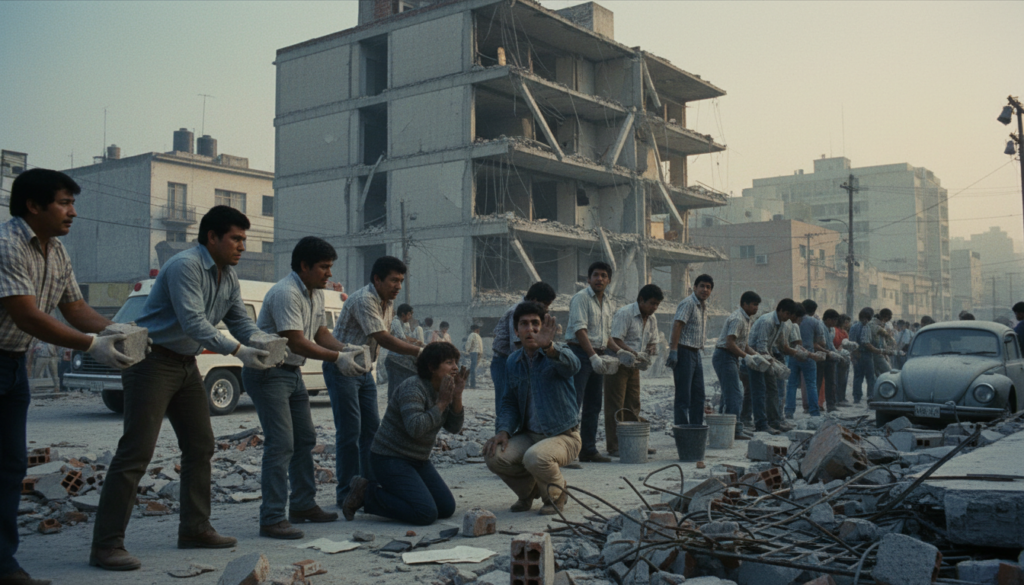
Mexico City Earthquake
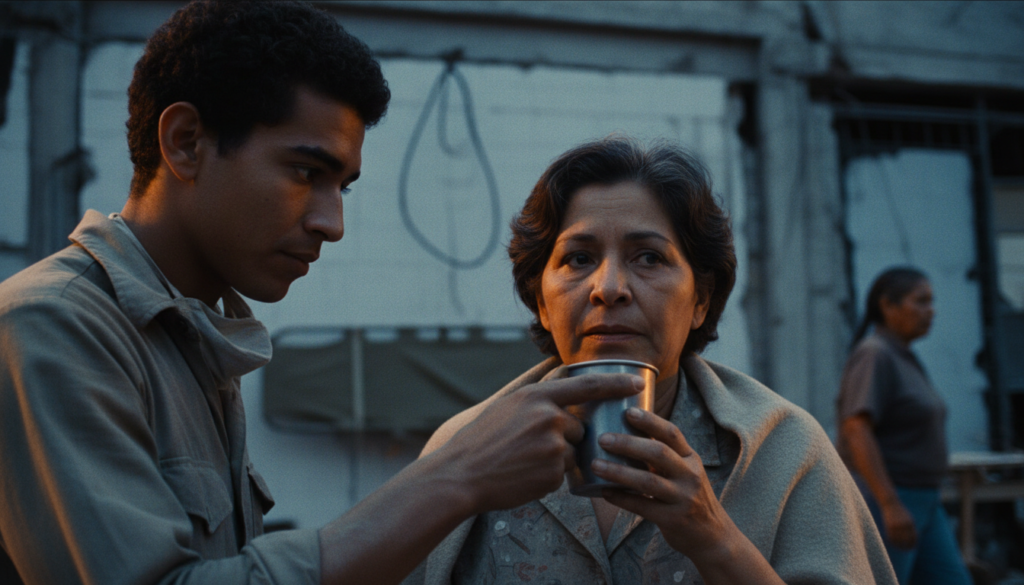
Year: 1985
On September 19, 1985, a magnitude 8.0 earthquake off Mexico’s Pacific coast devastated large parts of Mexico City and killed thousands. The disaster mattered because severe building collapses exposed inadequate construction standards and shortcomings in the government’s emergency response. Amid Mexico’s economic and political strains, citizen-led rescue efforts strengthened civil society and helped spur improvements in seismic safety and disaster preparedness.
Operation Plumbbob Rainier

Operation Plumbbob Rainier

Year: 1957
On September 19, 1957, the United States detonated Rainier underground at the Nevada Test Site as part of Operation Plumbbob. It was the first nuclear explosion fully contained underground, demonstrating a way to test weapons while greatly reducing radioactive fallout. Conducted amid the Cold War arms race, Rainier helped pave the way for underground testing, especially after the 1963 Partial Test Ban Treaty prohibited nuclear tests in the atmosphere, outer space, and underwater.
Witold Pilecki Enters Auschwitz

Witold Pilecki Enters Auschwitz

Year: 1940
On September 19, 1940, Polish resistance officer Witold Pilecki deliberately let German forces arrest him in Warsaw and was soon deported to Auschwitz. Inside the camp, he organized a clandestine resistance network and sent reports documenting brutal conditions and Nazi crimes to the Polish underground. His mission provided crucial early intelligence about Auschwitz during Nazi Germany’s occupation of Poland and the broader persecution that became the Holocaust.
New Zealand Grants Women the Vote
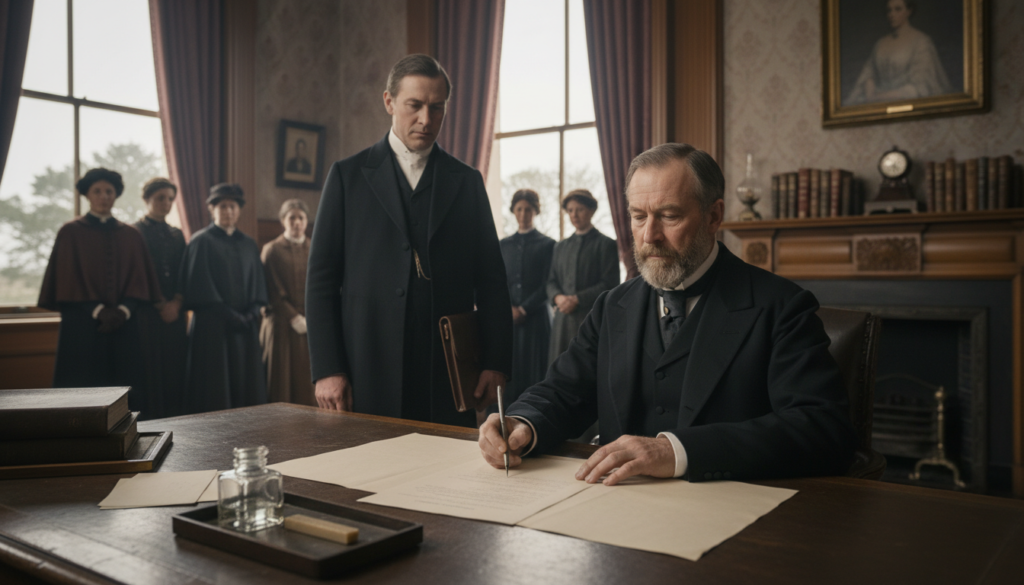
New Zealand Grants Women the Vote
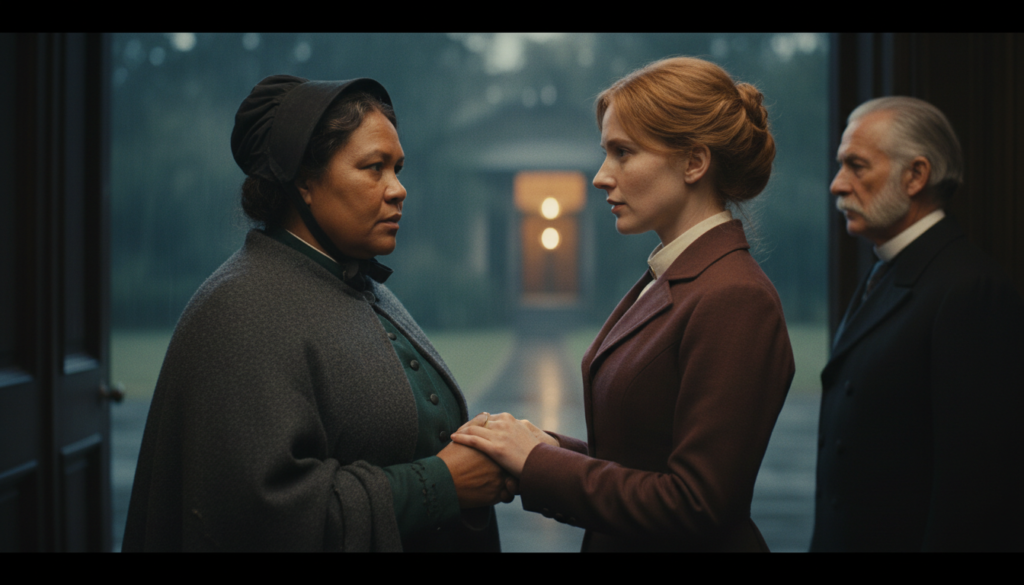
Year: 1893
On September 19, 1893, Governor Lord Glasgow gave royal assent to New Zealand’s Electoral Act, granting women the right to vote in parliamentary elections. This made New Zealand the first self-governing country to establish women’s suffrage at the national level, a milestone for political equality. The reform followed years of campaigning led by suffragists including Kate Sheppard and became an early landmark in the international women’s suffrage movement.