

September 26
5 moments across history
MV Le Joola Capsizes Off The Gambia
On September 26, 2002, the overloaded Senegalese ferry MV Le Joola capsized in rough seas off The Gambia, killing more than 1,800 people. It became one of history’s deadliest peacetime maritime disasters and prompted scrutiny of ferry safety, regulatory failures, and the official response. The state-owned vessel had linked Senegal’s southern Casamance region with Dakar, making the tragedy part of the region’s broader history of geographic isolation and inadequate transport links.
MV Le Joola Capsizes Off The Gambia
Stanislav Petrov Averts Possible Nuclear Escalation

Stanislav Petrov Averts Possible Nuclear Escalation
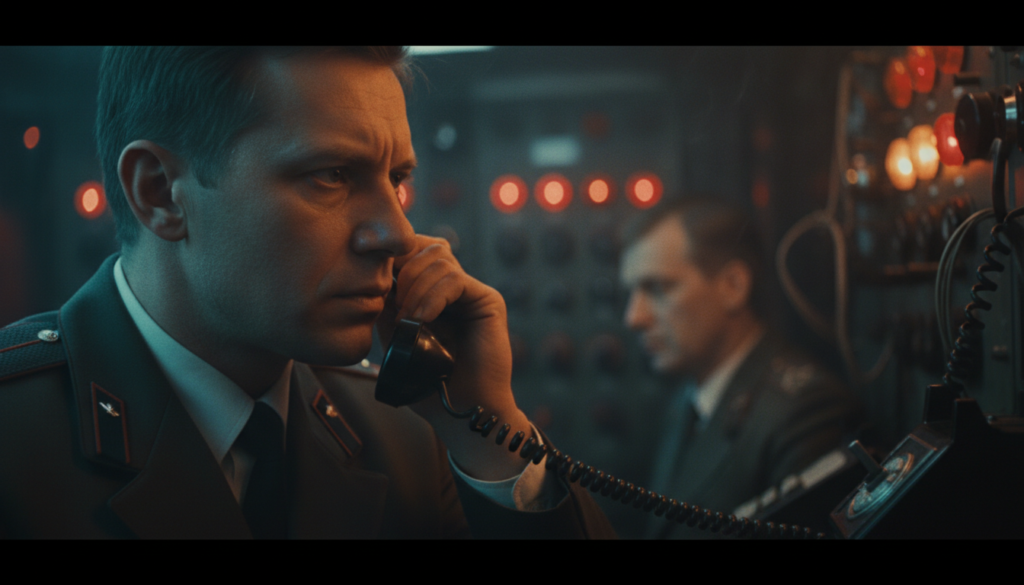
Year: 1983
On September 26, 1983, Soviet early-warning systems reported incoming U.S. nuclear missiles, but duty officer Stanislav Petrov judged the alerts to be false and reported a malfunction. His decision helped prevent the erroneous warning from prompting a possible retaliatory response and nuclear escalation; the alerts were later traced to satellite misidentification of sunlight reflected from clouds. The incident occurred during an especially tense phase of the Cold War, shortly after the Soviet downing of Korean Air Lines Flight 007 and amid deep U.S.–Soviet mistrust.
First Televised U.S. Presidential Debate

First Televised U.S. Presidential Debate
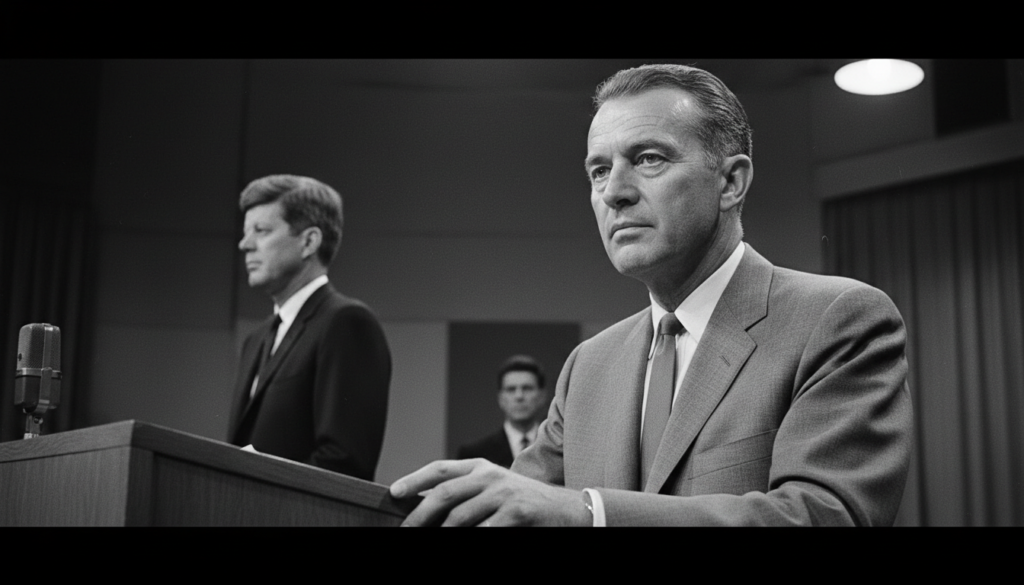
Year: 1960
On September 26, 1960, Democratic nominee John F. Kennedy and Republican nominee Richard Nixon met in the first nationally televised U.S. presidential debate. The broadcast mattered because it brought candidates directly into millions of homes and demonstrated how television and visual presentation could shape political impressions. Held during a close election amid Cold War tensions, it marked television’s growing influence on American campaigns and was the first of four Kennedy–Nixon debates.
*West Side Story* Opens on Broadway

*West Side Story* Opens on Broadway

Year: 1957
On September 26, 1957, West Side Story opened at Broadway’s Winter Garden Theatre, with music by Leonard Bernstein, lyrics by Stephen Sondheim, a book by Arthur Laurents, and choreography by Jerome Robbins. Inspired by Shakespeare’s Romeo and Juliet, the musical mattered for its powerful integration of music, dance, and drama and its serious treatment of gang violence, prejudice, and doomed love. Premiering during Broadway’s postwar golden age, it reflected contemporary tensions surrounding immigration, ethnicity, and urban life through the rivalry between the Jets and the Puerto Rican Sharks.
Meuse-Argonne Offensive Begins
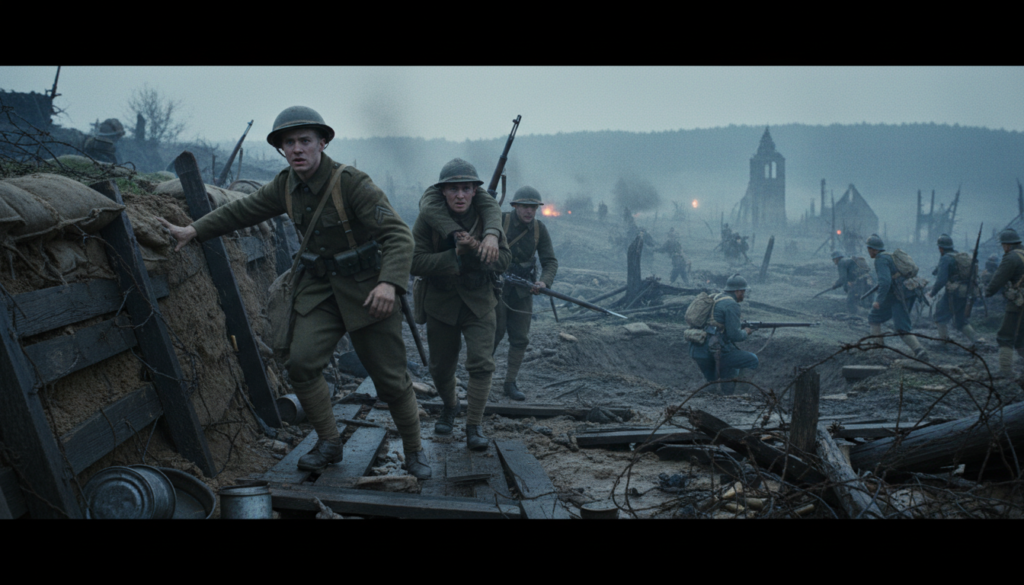
Meuse-Argonne Offensive Begins
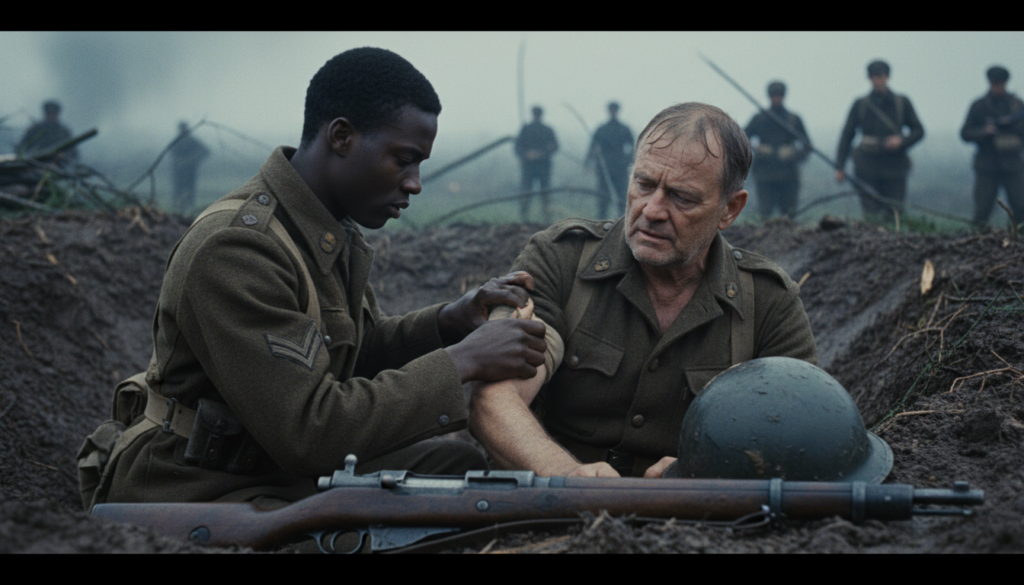
Year: 1918
On September 26, 1918, American and French forces launched the Meuse-Argonne Offensive against German positions between the Meuse River and the Argonne Forest. The largest American-led operation of World War I, it helped break German defenses but caused heavy casualties during weeks of difficult fighting. Part of the Allies’ broader Hundred Days Offensive, the campaign continued until the November 11 armistice ended the war.