

September 8
5 moments across history
Ford Pardons Nixon
On September 8, 1974, President Gerald Ford granted Richard Nixon a full and unconditional pardon for any federal crimes he might have committed while president. The pardon prevented Nixon from being prosecuted for possible crimes connected to the Watergate scandal and proved highly controversial, damaging Ford politically. It came one month after Nixon became the only U.S. president to resign, amid investigations that had exposed abuses of power and a White House cover-up.
Ford Pardons Nixon
Treaty of San Francisco Signed
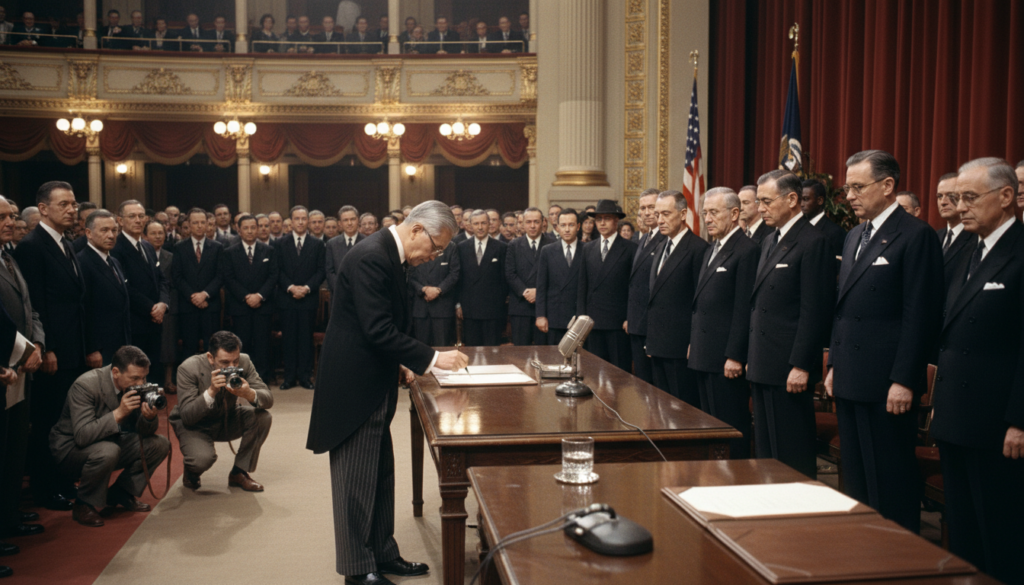
Treaty of San Francisco Signed
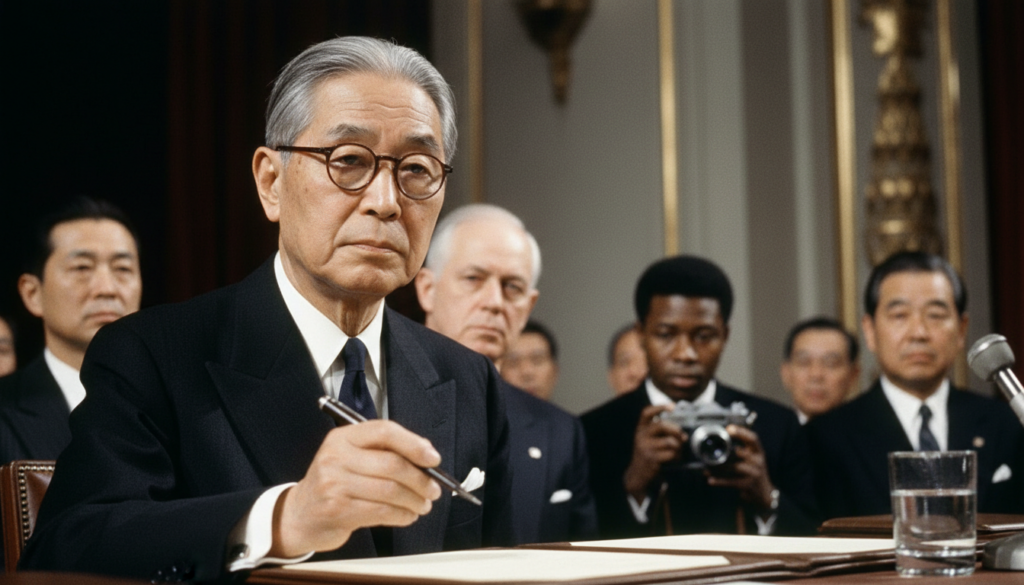
Year: 1951
On September 8, 1951, Japan and 48 Allied nations signed the Treaty of San Francisco, formally ending the state of war between them after World War II. The agreement restored Japan’s sovereignty, settled many wartime claims, and paved the way for the Allied occupation to end when the treaty took effect in 1952. It marked Japan’s return to the international community amid the emerging Cold War, although several countries, including the Soviet Union, did not sign it.
First Operational V-2 Attacks

First Operational V-2 Attacks
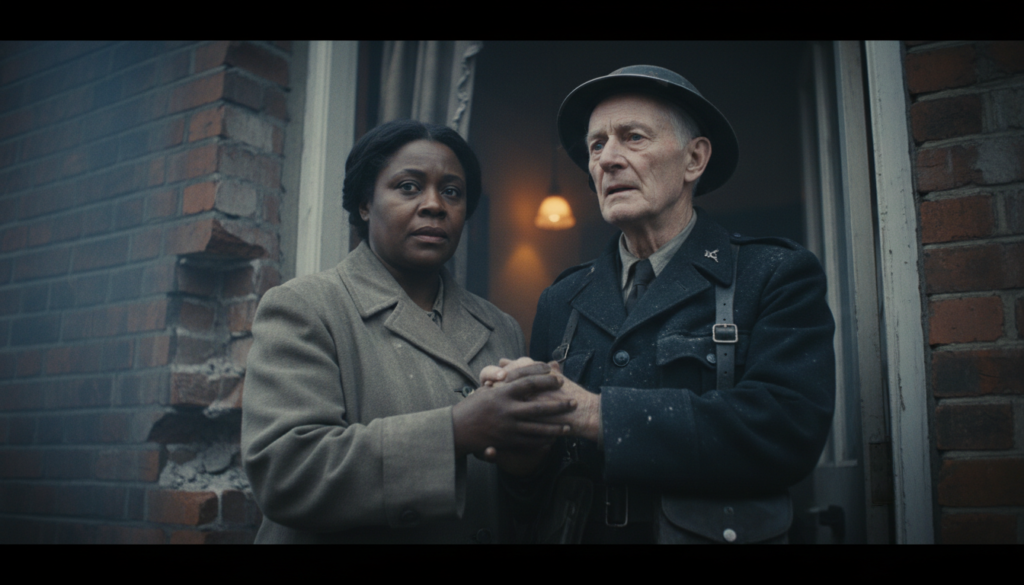
Year: 1944
On September 8, 1944, Germany launched the first operational V-2 ballistic-missile attacks, striking Paris and London. The V-2 mattered as the first long-range guided ballistic missile used in warfare, descending at supersonic speed with virtually no warning. Deployed as Nazi Germany retreated before advancing Allied forces, it became both a deadly “vengeance weapon” and a precursor to postwar missile and space technology.
Italy’s Armistice Announced

Italy’s Armistice Announced

Year: 1943
On September 8, 1943, the Allies announced the armistice Italy had secretly signed five days earlier, ending its fight alongside Nazi Germany. The announcement led German forces to occupy much of Italy, disarm Italian troops, and install Benito Mussolini as head of a German-backed state in the north. Italy’s withdrawal from the Axis divided the country and opened a prolonged campaign in which the Allies and Italian resistance fought German forces until 1945.
Siege of Leningrad Begins
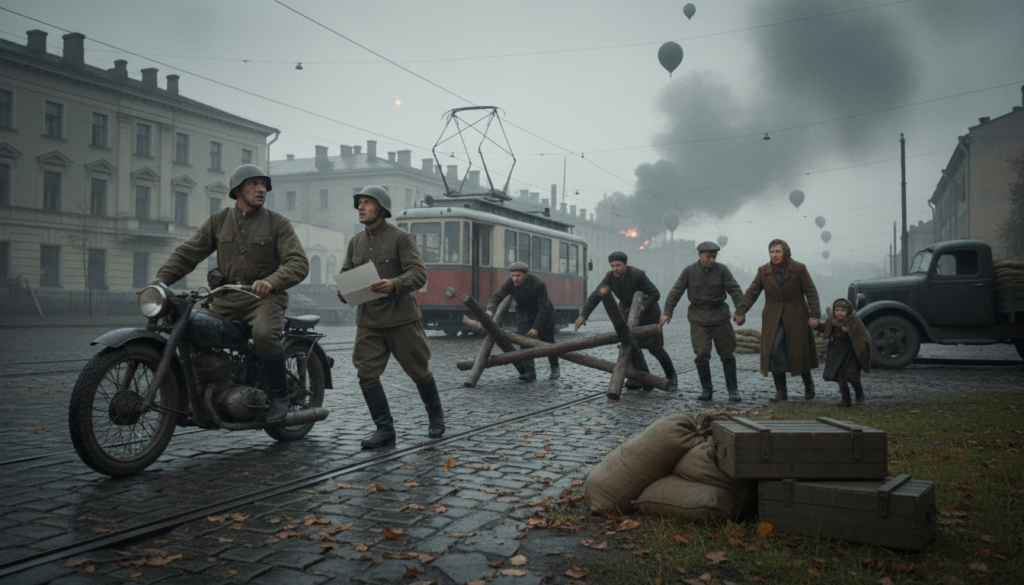
Siege of Leningrad Begins
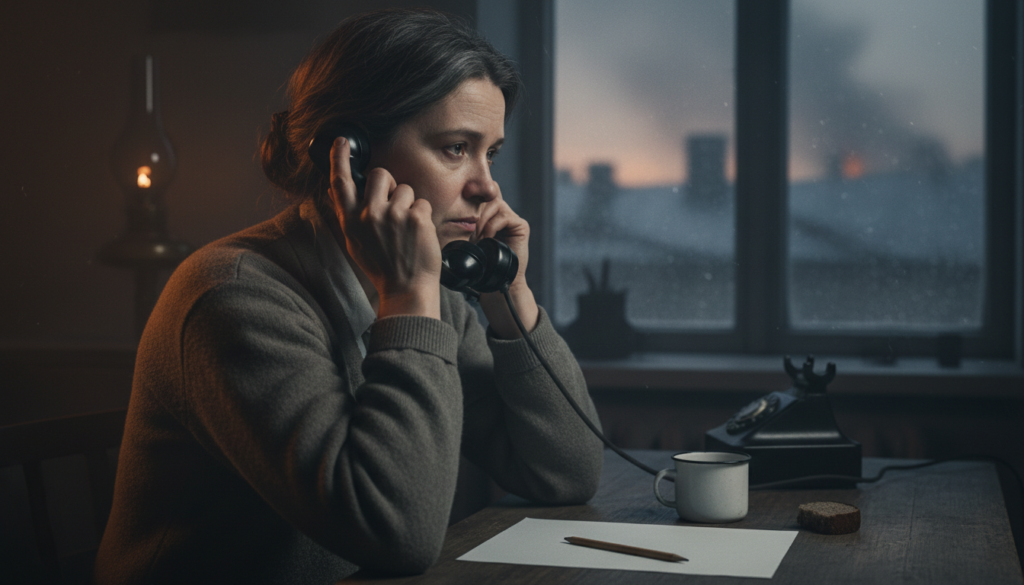
Year: 1941
On September 8, 1941, German forces cut Leningrad’s last land connection, beginning a siege that lasted nearly 900 days. The blockade caused catastrophic hunger, disease, and civilian deaths, but the city resisted and remained under Soviet control. The siege was part of Nazi Germany’s invasion of the Soviet Union and became one of World War II’s longest and deadliest sieges.