
September 16
5 moments across history
Black Wednesday: Britain Exits the ERM
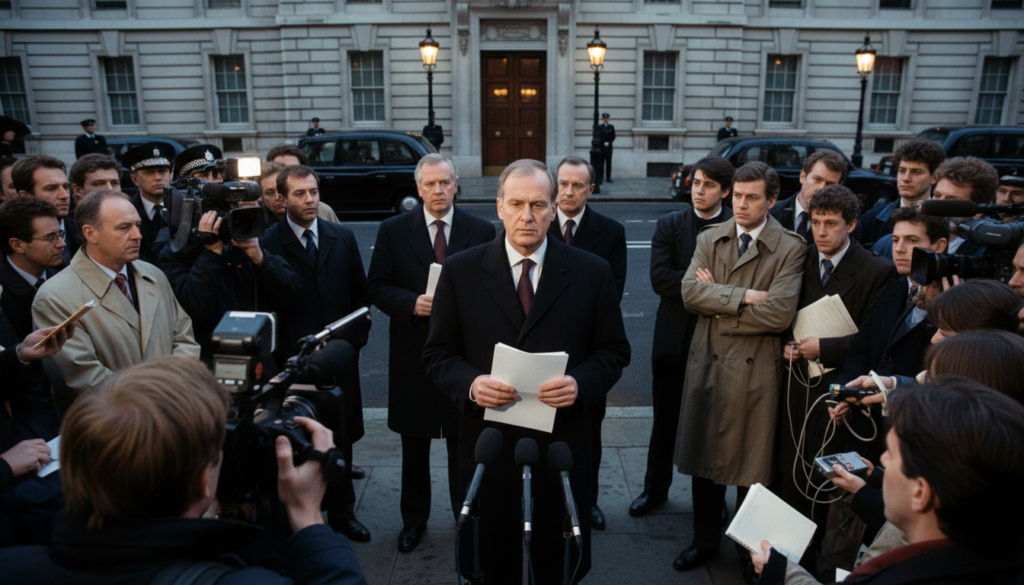
On 16 September 1992, Britain withdrew the pound sterling from the European Exchange Rate Mechanism after failing to keep it within its required exchange-rate band despite intervention and higher interest rates. The crisis, known as Black Wednesday, damaged the Conservative government’s economic credibility and forced Britain to adopt a new monetary-policy framework. It occurred amid strains in the ERM after German reunification and became a defining episode in Britain’s uneasy relationship with European monetary integration.
Black Wednesday
Montreal Protocol Adopted
Montreal Protocol Adopted
Year: 1987
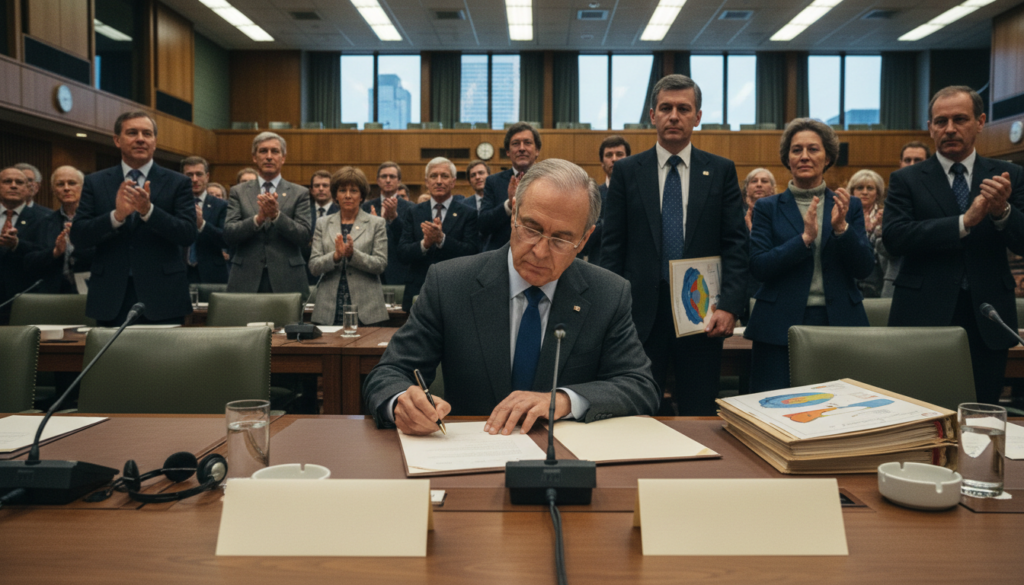
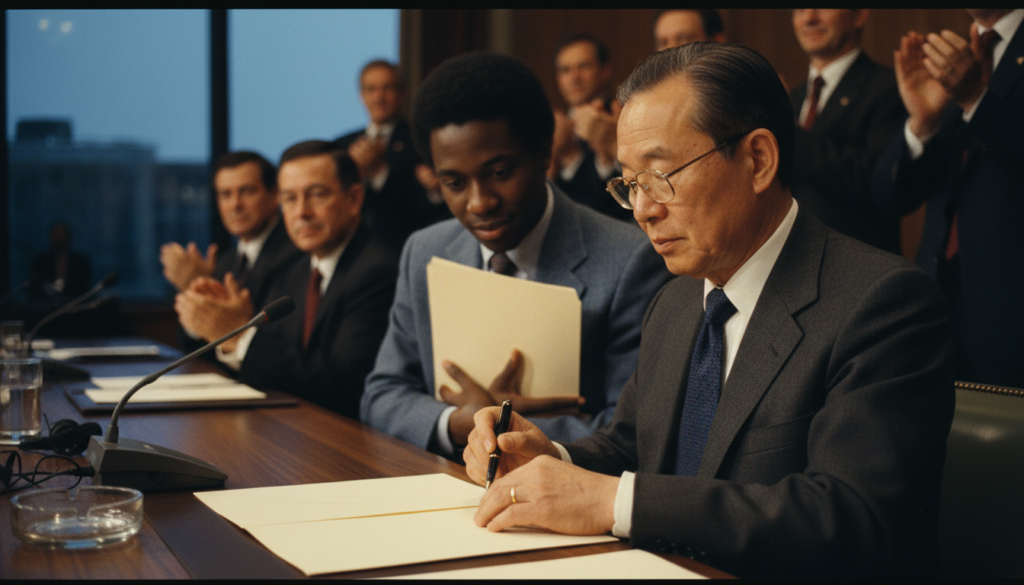
On September 16, 1987, nations adopted the Montreal Protocol, agreeing to phase out chemicals such as chlorofluorocarbons that deplete the ozone layer. The agreement mattered because the ozone layer shields life from harmful ultraviolet radiation, and reducing these substances enabled its gradual recovery. Built on the 1985 Vienna Convention and scientific evidence of severe ozone loss, the protocol became a landmark of successful international environmental cooperation.
Papua New Guinea Gains Independence
Papua New Guinea Gains Independence
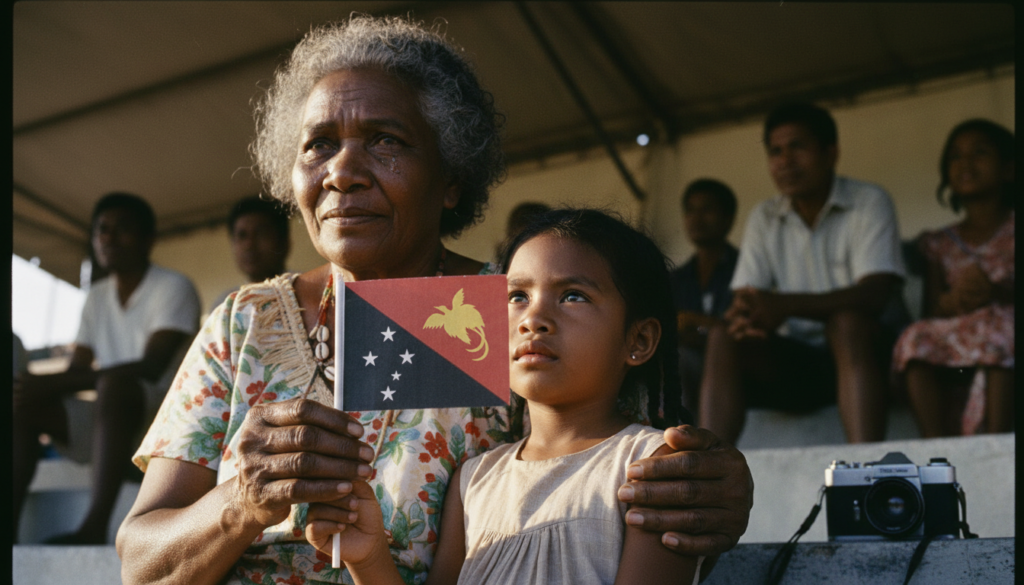
Year: 1975
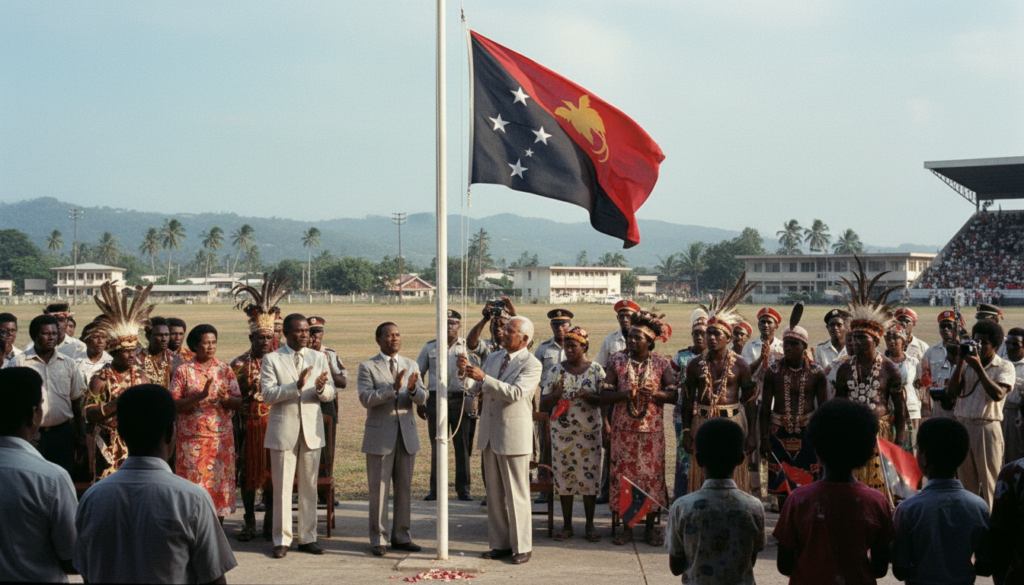
On September 16, 1975, Papua New Guinea became fully independent, ending Australian administration. Independence gave the new nation sovereignty over its government and affirmed its distinct national identity. The transition followed decades of Australian rule over territories formerly controlled by Britain and Germany.
Malaysia Is Formed
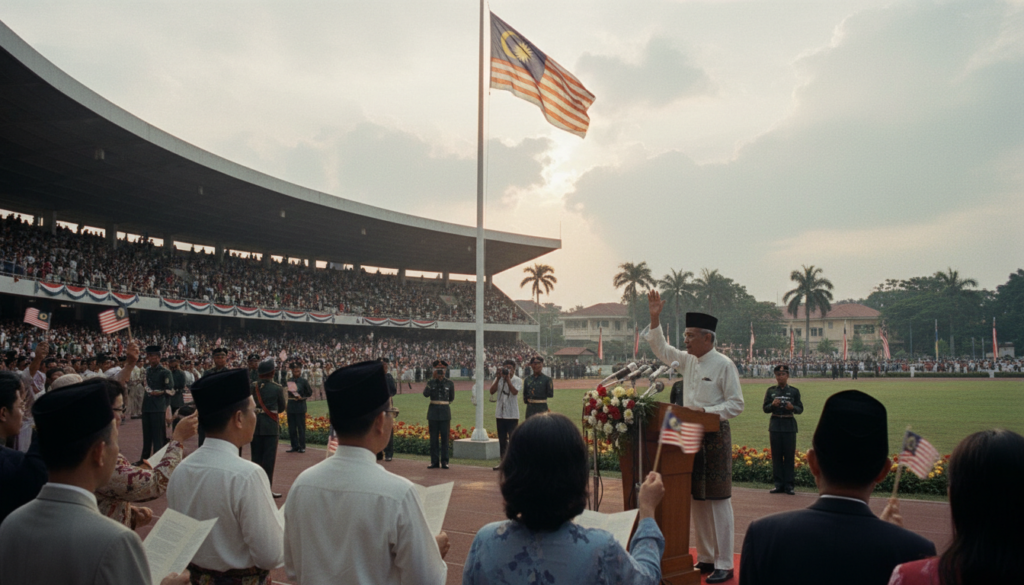
Malaysia Is Formed
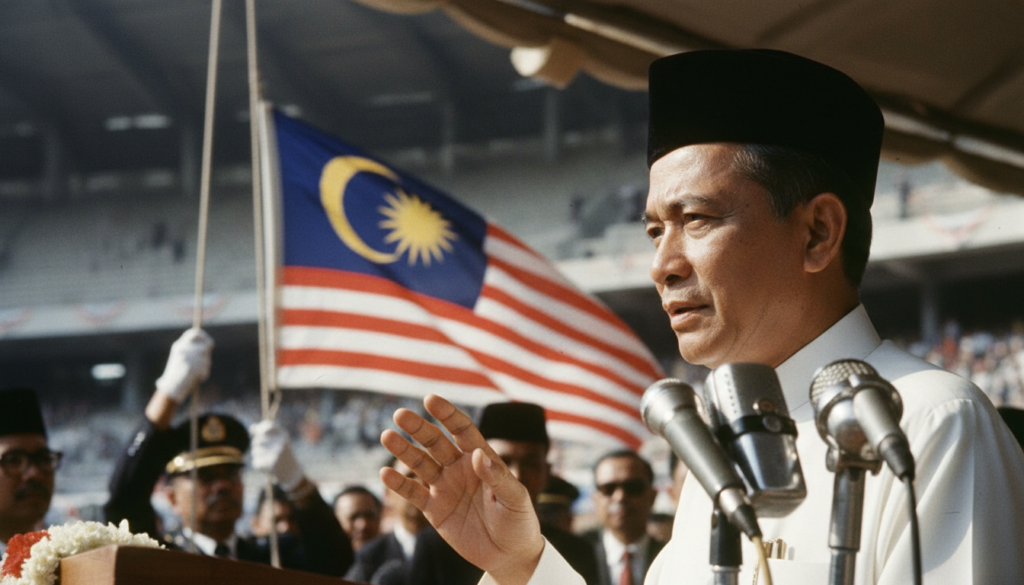
Year: 1963
On September 16, 1963, Malaya, North Borneo (renamed Sabah), Sarawak, and Singapore united to form Malaysia. The federation expanded self-government after British colonial rule and reshaped the political map of Southeast Asia. Its creation faced opposition from Indonesia and the Philippines, while Singapore later separated from Malaysia in 1965.
United States Establishes First Peacetime Draft
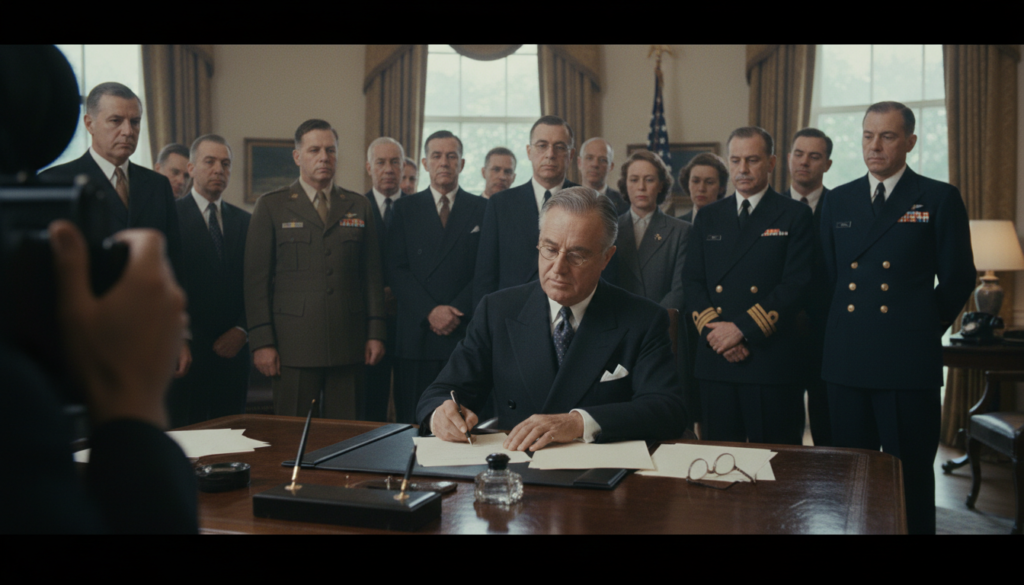
United States Establishes First Peacetime Draft
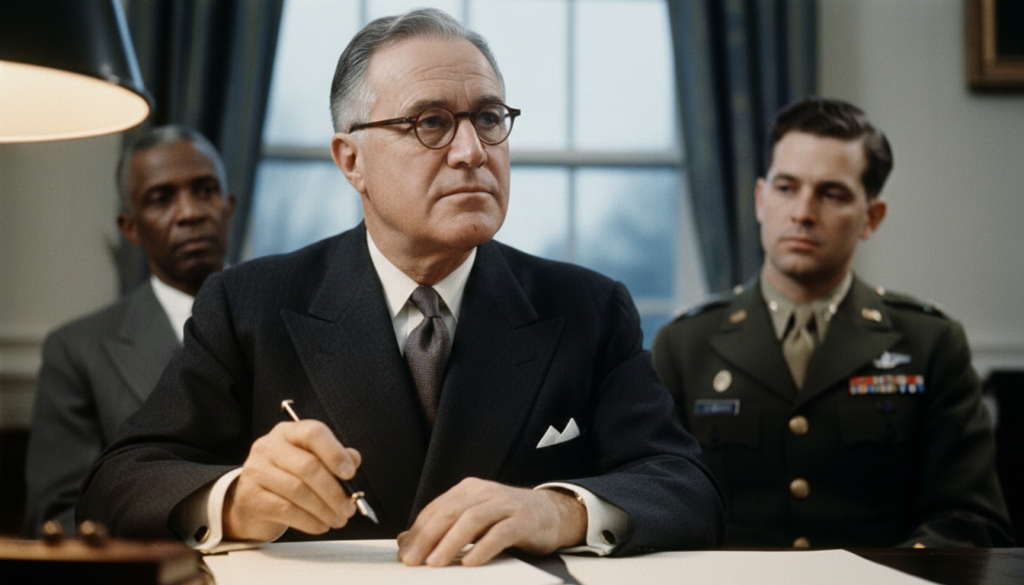
Year: 1940
On September 16, 1940, President Franklin D. Roosevelt signed the Selective Training and Service Act, establishing the first peacetime draft in U.S. history. The law expanded the armed forces and strengthened national preparedness before the United States formally entered World War II. It reflected growing concern over Axis victories in Europe, even as American public opinion remained divided over involvement in the war.