

September 10
5 moments across history
Large Hadron Collider Begins Operation
On September 10, 2008, CERN successfully circulated a proton beam around the 27-kilometre Large Hadron Collider near Geneva for the first time. The test marked the operational debut of the world’s largest particle accelerator, built to probe fundamental particles and forces at unprecedented energies. It culminated decades of international planning and construction and opened a new era in particle physics, later enabling discoveries including the Higgs boson.
Large Hadron Collider Begins Operation
France’s Last Guillotine Execution
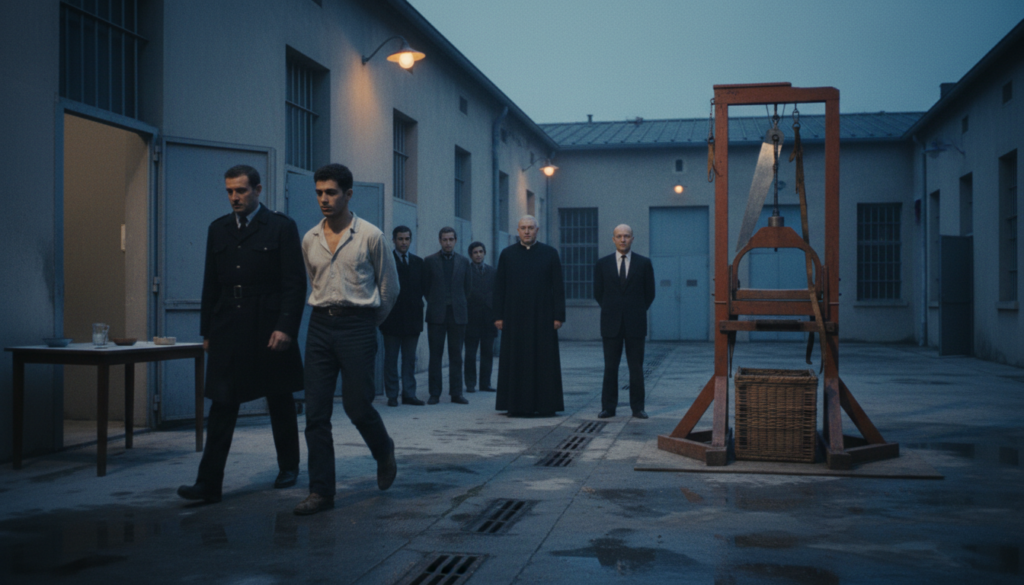
Event 2

Year: 1977
On September 10, 1977, Hamida Djandoubi was guillotined at Baumettes Prison in Marseille after being convicted of murder. His death was France’s final execution and the last use of the guillotine by the French state. The execution ended a practice associated with France since the Revolution; the country abolished capital punishment in 1981.
Abebe Bikila Wins Olympic Marathon Barefoot
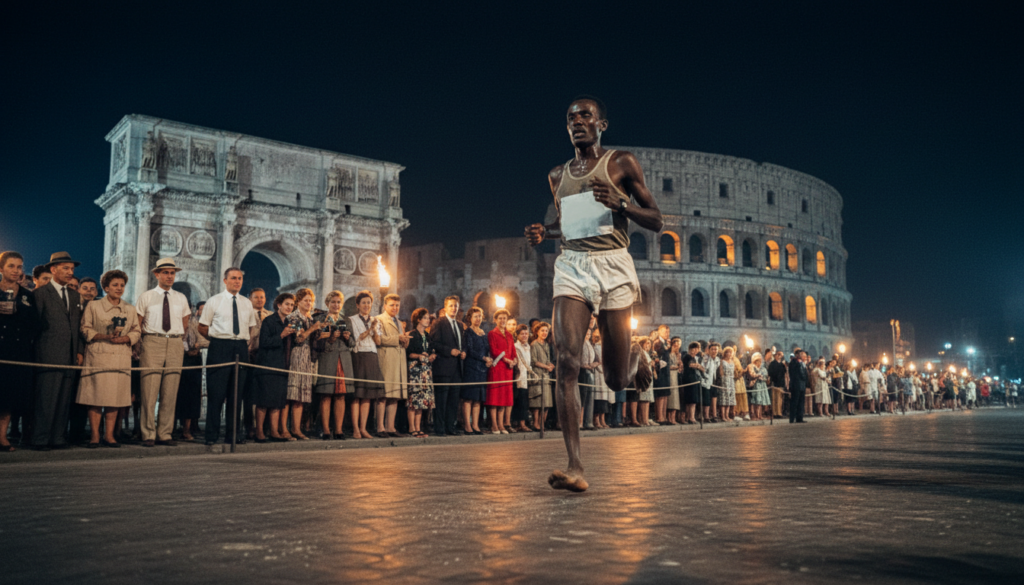
Abebe Bikila Wins Olympic Marathon Barefoot
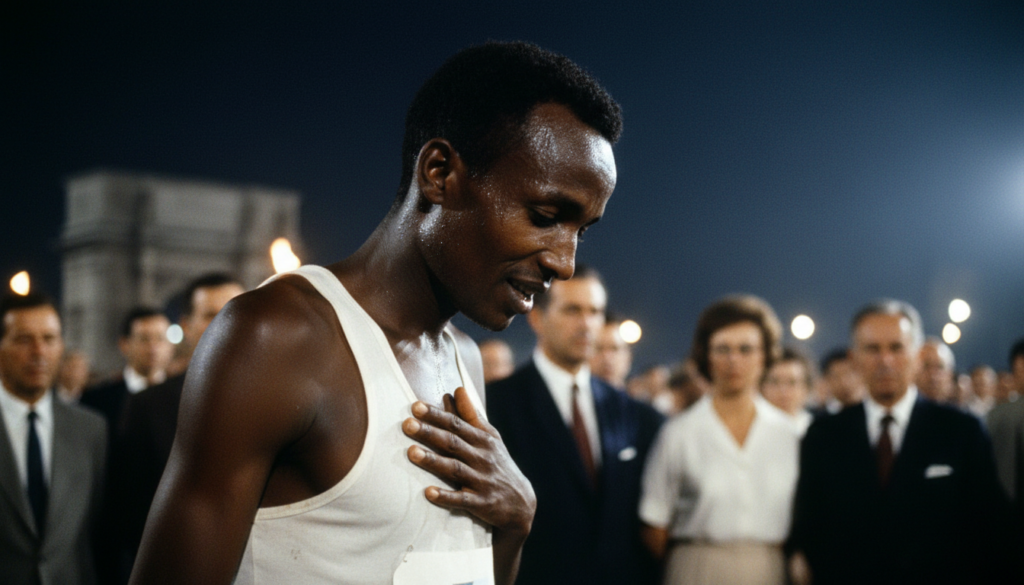
Year: 1960
On September 10, 1960, Ethiopian runner Abebe Bikila won the Rome Olympic marathon barefoot, setting a world record. His victory made him the first athlete from sub-Saharan Africa to win an Olympic gold medal. The achievement became a symbol of African excellence during an era when many African nations were gaining independence from colonial rule.
Canada Declares War on Germany
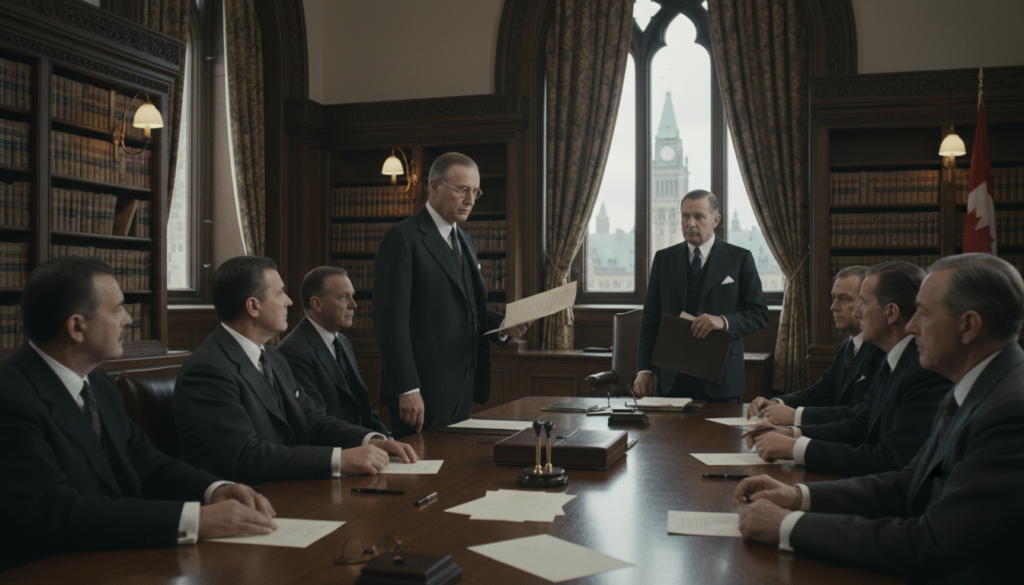
Canada Declares War on Germany
Year: 1939
On September 10, 1939, Canada declared war on Nazi Germany, one week after Germany invaded Poland. The separate declaration demonstrated Canada’s growing autonomy from Britain and committed it to the Allied war effort. Canada went on to make major military, industrial, and economic contributions to the Allied victory in the Second World War.
Treaty of Saint-Germain-en-Laye Signed
Treaty of Saint-Germain-en-Laye Signed
Year: 1919
On September 10, 1919, Austria and the Allied powers signed the Treaty of Saint-Germain-en-Laye after World War I. It formally ended the Habsburg Empire, recognized new states and territorial transfers, and restricted Austria’s military and union with Germany. Part of the Paris Peace Conference settlement, it reshaped Central Europe but left economic disruption and ethnic minorities across new borders.