

September 11
5 moments across history
September 11 Attacks
On September 11, 2001, al-Qaeda terrorists hijacked four airliners, striking the World Trade Center and Pentagon, while a fourth crashed in Pennsylvania after passengers resisted. The attacks killed 2,977 victims, destroyed the Twin Towers, and became the deadliest terrorist attack in United States history. They prompted the U.S.-led “war on terror,” including the invasion of Afghanistan, and reshaped global security, foreign policy, and air travel for decades.
September 11 Attacks
Hungary Opens Its Border to East German Refugees

Hungary Opens Its Border to East German Refugees

Year: 1989
On September 11, 1989, Hungary opened its border with Austria, allowing thousands of East German refugees to cross into the West. The move undermined East Germany’s travel restrictions and accelerated the crisis facing its communist government. It was a major breach in the Iron Curtain amid Eastern Europe’s 1989 democratic revolutions, which soon contributed to the fall of the Berlin Wall.
Chilean Coup d’État

Event 3

Year: 1973
On September 11, 1973, Chile’s armed forces overthrew President Salvador Allende, who died during the assault on the presidential palace, and installed a military junta led by General Augusto Pinochet. The coup ended Chile’s democratic government and began a 17-year dictatorship marked by widespread political repression, torture, killings, disappearances, and sweeping free-market economic reforms. It occurred amid severe domestic polarization and economic crisis within the broader Cold War, during which the United States had worked to undermine Allende’s socialist government.
Construction Begins on the Pentagon
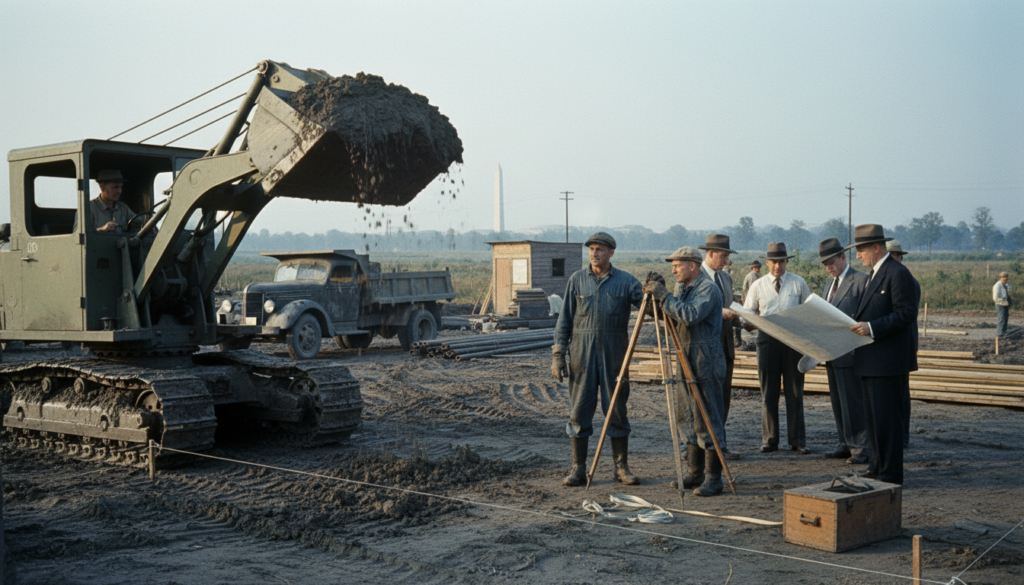
Construction Begins on the Pentagon

Year: 1941
On September 11, 1941, ground was broken in Arlington, Virginia, for the Pentagon, a vast new headquarters for the U.S. War Department. The building centralized military offices that had been scattered across Washington, improving coordination during the rapid expansion of the armed forces. Construction began as World War II engulfed Europe and Asia, just months before the United States entered the war; the Pentagon later became headquarters of the Department of Defense.
Gandhi Launches a Nonviolent Resistance Campaign
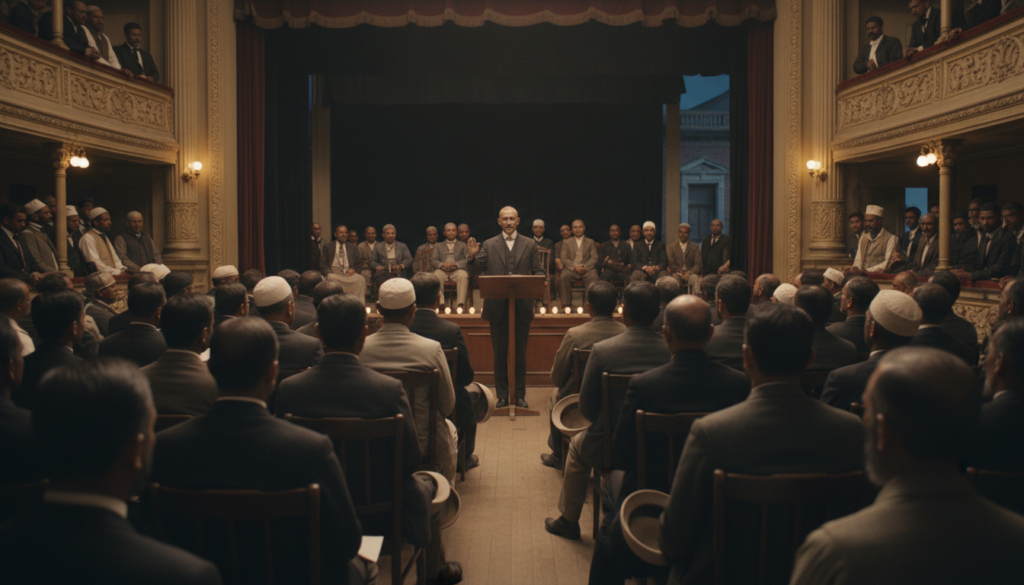
Gandhi Launches a Nonviolent Resistance Campaign

Year: 1906
On September 11, 1906, Mohandas Gandhi urged Johannesburg’s Indian community to resist a proposed Transvaal law requiring discriminatory registration. The mass meeting helped launch a disciplined campaign of nonviolent civil disobedience that Gandhi later developed into satyagraha, or “truth-force.” Born amid racial discrimination in South Africa, this strategy later shaped India’s independence movement and influenced civil rights campaigns worldwide.