![[e]Photo Stream](/logo.png)

July 28
5 moments across history
Provisional IRA Ends Armed Campaign
On July 28, 2005, the Provisional IRA formally ended its armed campaign and directed members to pursue republican goals solely through peaceful means. The declaration mattered because it removed a major obstacle to trust, disarmament, and power-sharing in Northern Ireland’s peace process. It followed decades of conflict during the Troubles and built on the 1998 Good Friday Agreement, which established a political framework for peace.
Provisional IRA Ends Armed Campaign
Tangshan Earthquake Devastates China
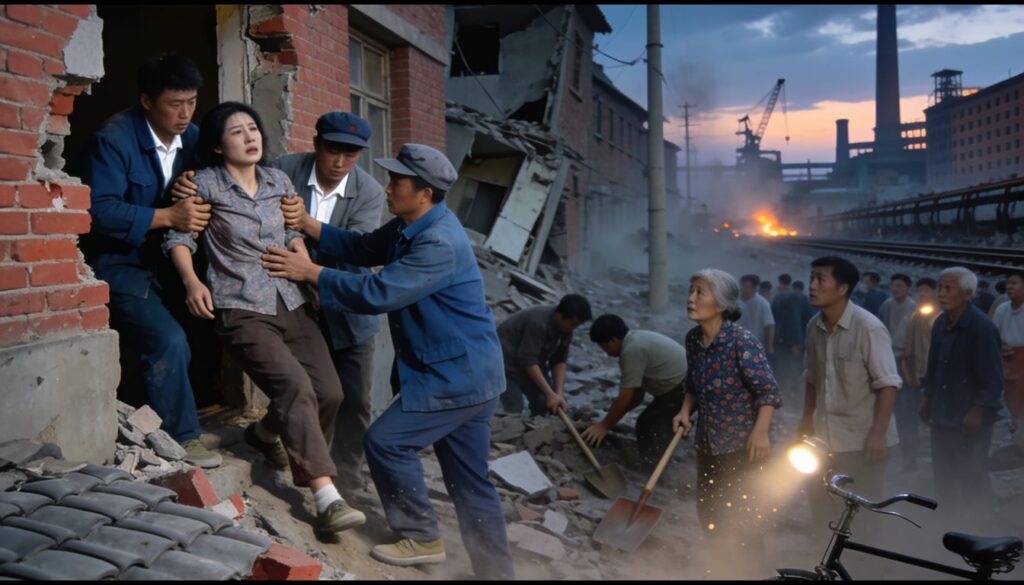
Tangshan Earthquake Devastates China

Year: 1976
On July 28, 1976, a magnitude 7.6 earthquake struck Tangshan in northeastern China, destroying much of the industrial city. The disaster killed at least 242,000 people by the official count, making it one of the deadliest earthquakes in recorded history. It occurred during the final year of Mao Zedong’s rule, amid political turmoil that culminated in the end of China’s Cultural Revolution.
United States Expands the Vietnam War
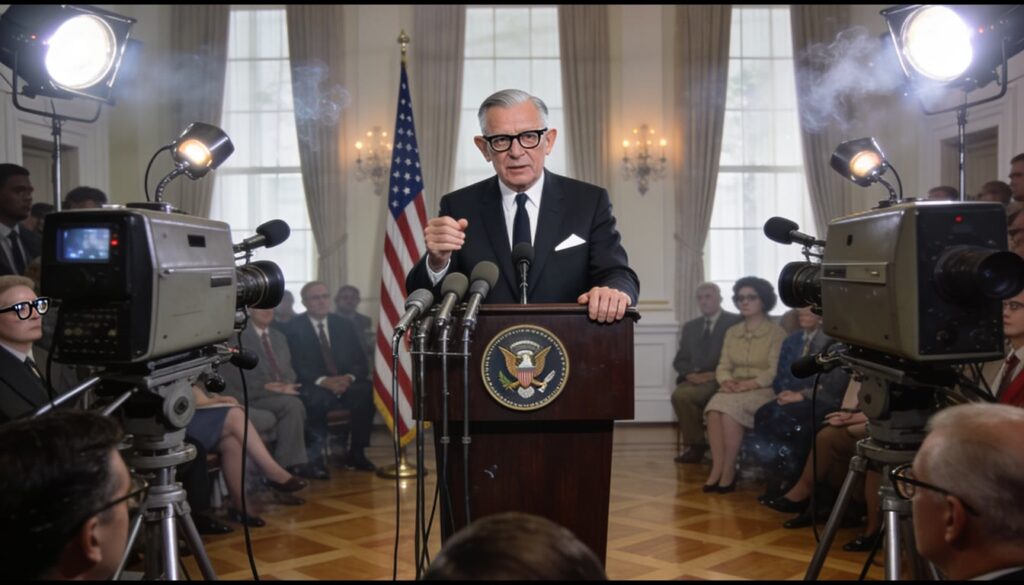
United States Expands the Vietnam War

Year: 1965
On July 28, 1965, President Lyndon B. Johnson announced that U.S. forces in South Vietnam would rise from 75,000 to 125,000 and that monthly draft calls would more than double. The decision mattered because it sharply expanded direct American involvement, committing more troops and resources to combat against North Vietnamese forces and the Viet Cong. It marked a major escalation of the Vietnam War amid Cold War efforts to contain communism, paving the way for a much larger and increasingly controversial U.S. military presence.
B-25 Bomber Crashes into Empire State Building
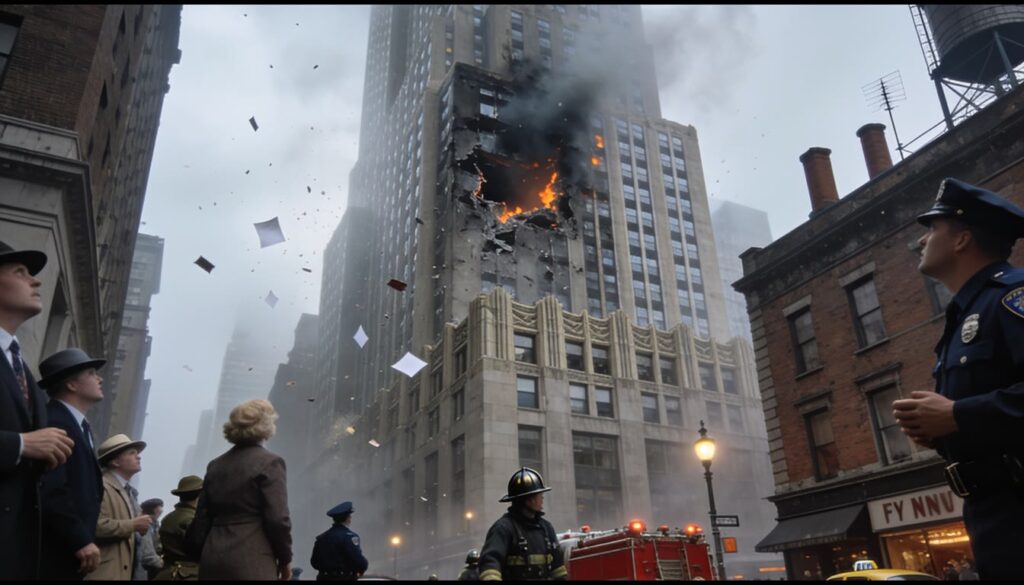
Event 4

Year: 1945
On July 28, 1945, a U.S. Army B-25 bomber became disoriented in heavy fog and struck the Empire State Building, killing 14 people. The disaster highlighted the dangers of aviation over dense cities, while the skyscraper’s survival demonstrated the strength of its construction. It occurred during the final weeks of World War II and was an accident involving a routine military flight, not an enemy attack.
Bonus Army Evicted from Washington, D.C.
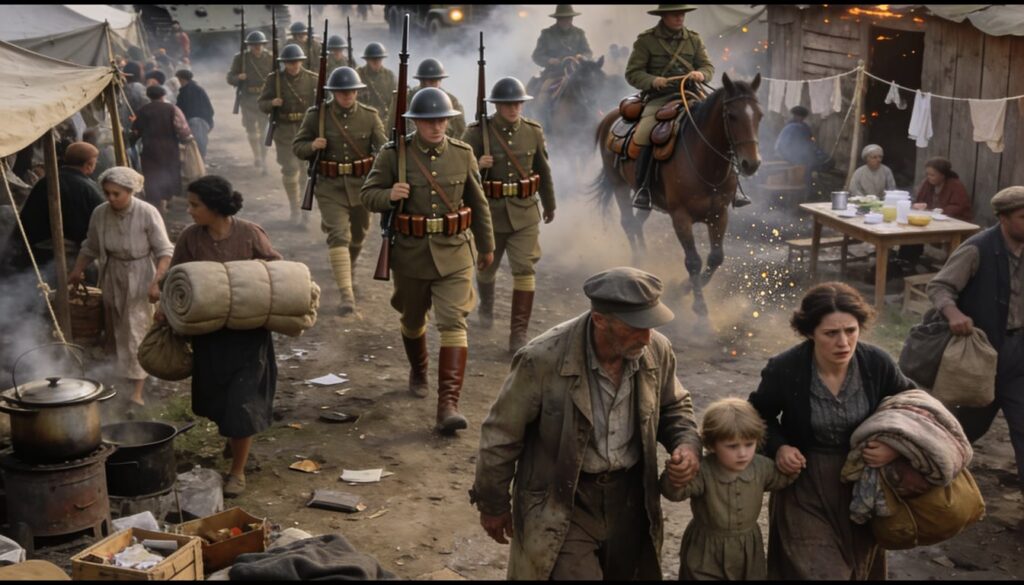
Bonus Army Evicted from Washington, D.C.

Year: 1932
On July 28, 1932, U.S. troops forcibly cleared World War I veterans and their families from Bonus Army encampments in Washington, D.C. The veterans had gathered during the Great Depression to demand early payment of service bonuses, and the violent eviction caused public outrage and damaged President Herbert Hoover politically. The episode reflected the era’s severe economic hardship and influenced later efforts to provide stronger federal support for veterans, including the GI Bill after World War II.