![[e]Photo Stream](/logo.png)
July 23
5 moments across history
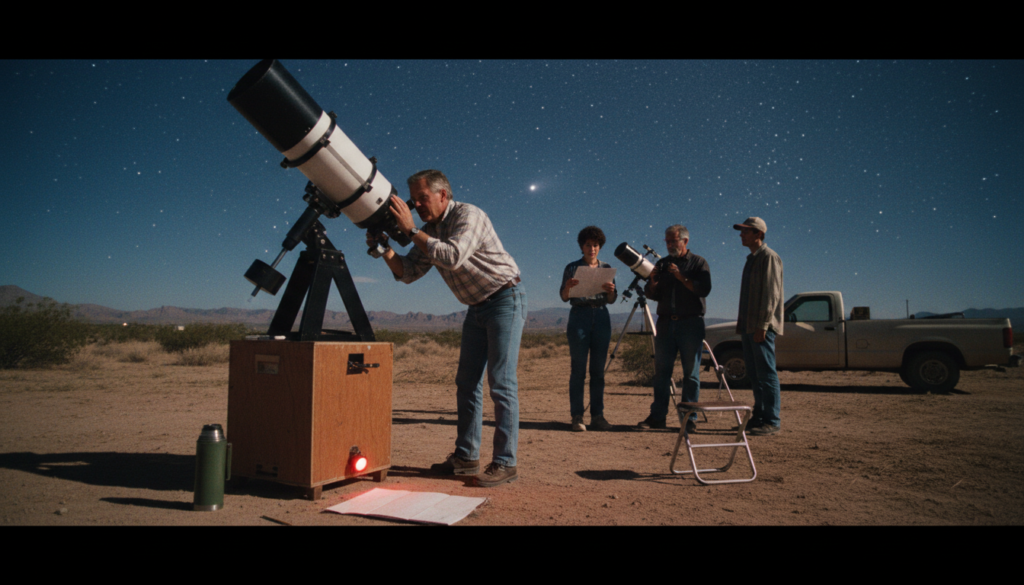
Comet Hale–Bopp Discovered
On July 23, 1995, Alan Hale and Thomas Bopp independently discovered a distant comet, later named Comet Hale–Bopp. It mattered because the comet became exceptionally bright in 1997 and remained visible to the naked eye for an unusually long period. Its appearance made it one of the most widely observed comets of the 20th century, amid growing public access to amateur astronomy.
Comet Hale–Bopp Discovered
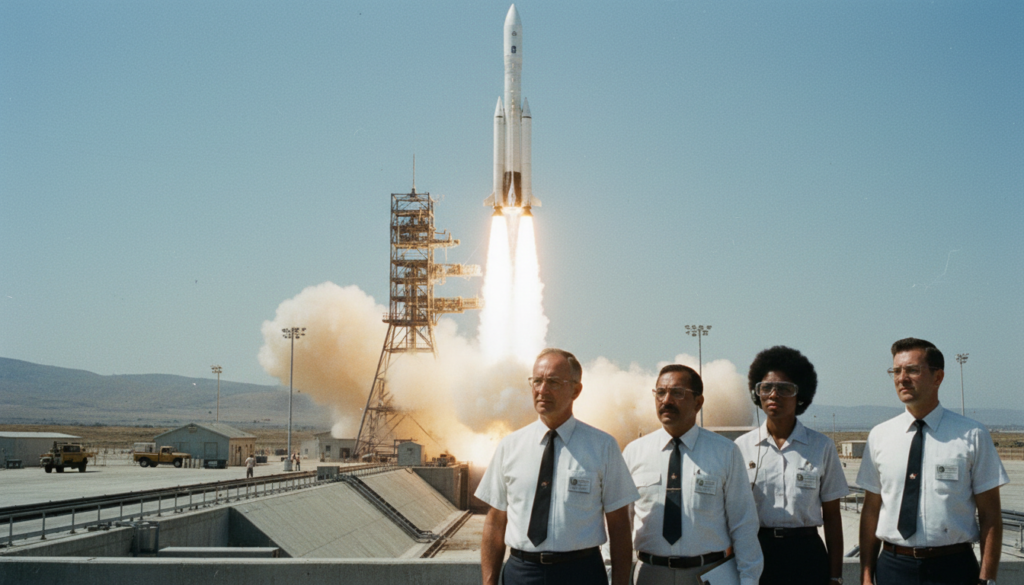
Landsat 1 Launches
Landsat 1 Launches

Year: 1972
On July 23, 1972, NASA launched Landsat 1, then called Earth Resources Technology Satellite 1, to systematically image Earth’s land surfaces from orbit. Its repeated, multispectral observations enabled scientists and governments to track agriculture, forests, water resources, urban growth, and environmental change. Launched during the Space Age’s expansion into practical Earth observation, it began the Landsat program and the longest continuous space-based record of Earth’s land.
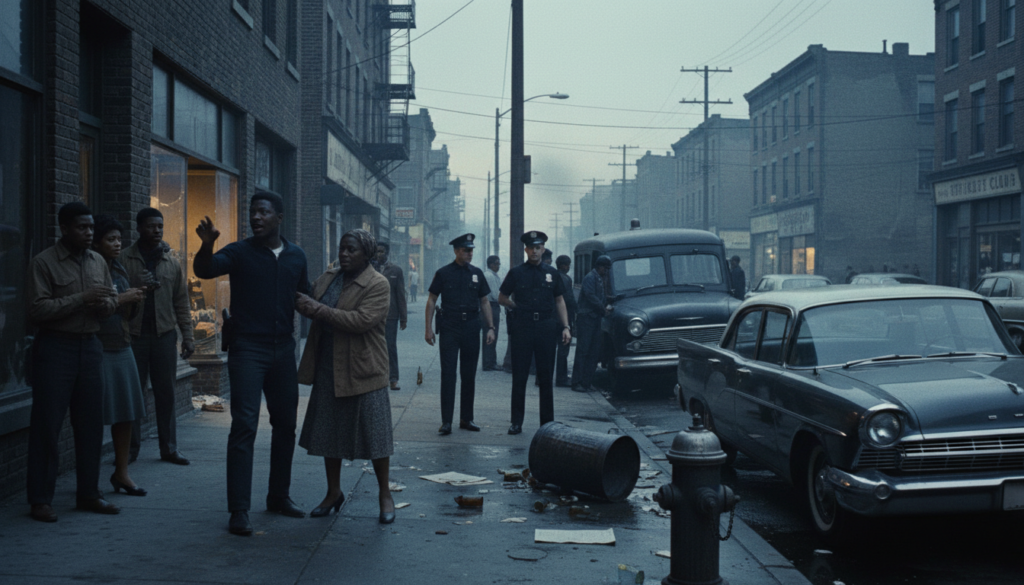
Detroit Riot Begins
Detroit Riot Begins
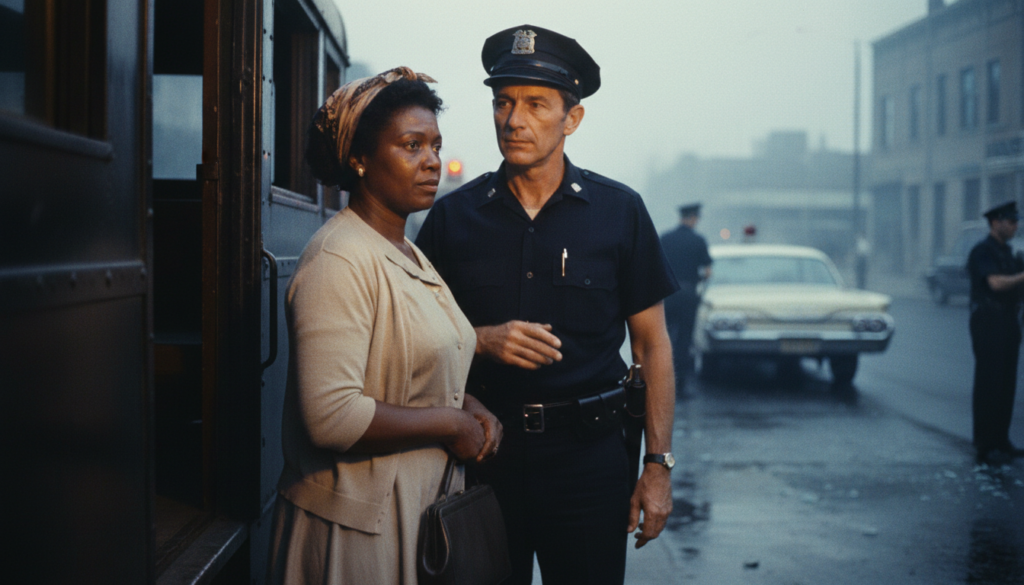
Year: 1967
On July 23, 1967, a police raid on an unlicensed after-hours bar in Detroit sparked looting, arson, and clashes that lasted five days. The unrest left 43 people dead, injured hundreds, destroyed thousands of buildings, and prompted the deployment of the National Guard and federal troops. It was among the deadliest U.S. urban uprisings of the era, reflecting broader tensions over racial discrimination, police practices, housing segregation, and economic inequality.
Telstar 1 Relays First Live Transatlantic Television Broadcast
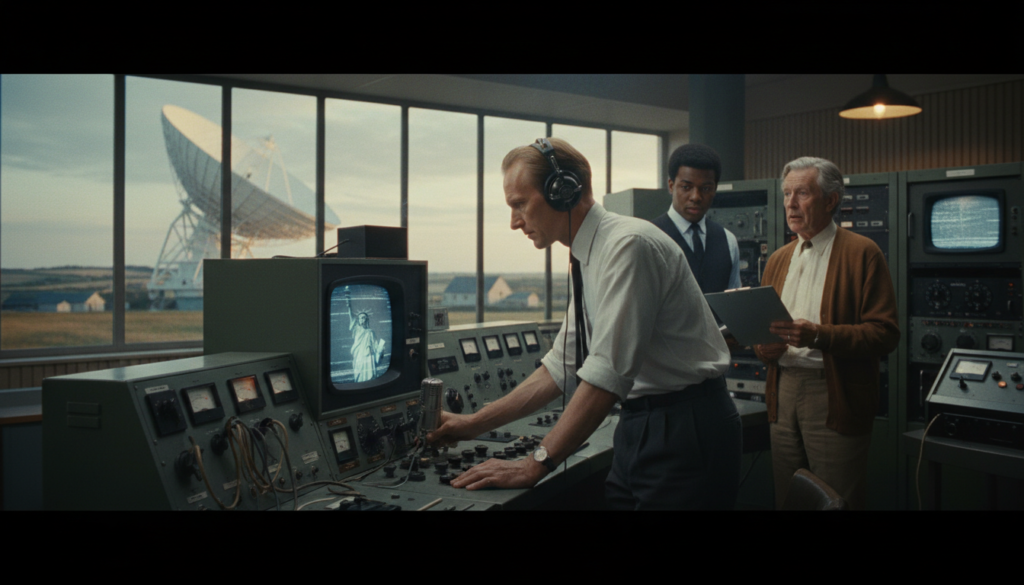
Telstar 1 Relays First Live Transatlantic Television Broadcast

Year: 1962
On July 23, 1962, Telstar 1 relayed the first live public television broadcast between North America and Europe. The transmission showed that communications satellites could carry television signals across the Atlantic in real time. Launched during the Space Age, Telstar helped usher in global satellite broadcasting and modern worldwide communications.
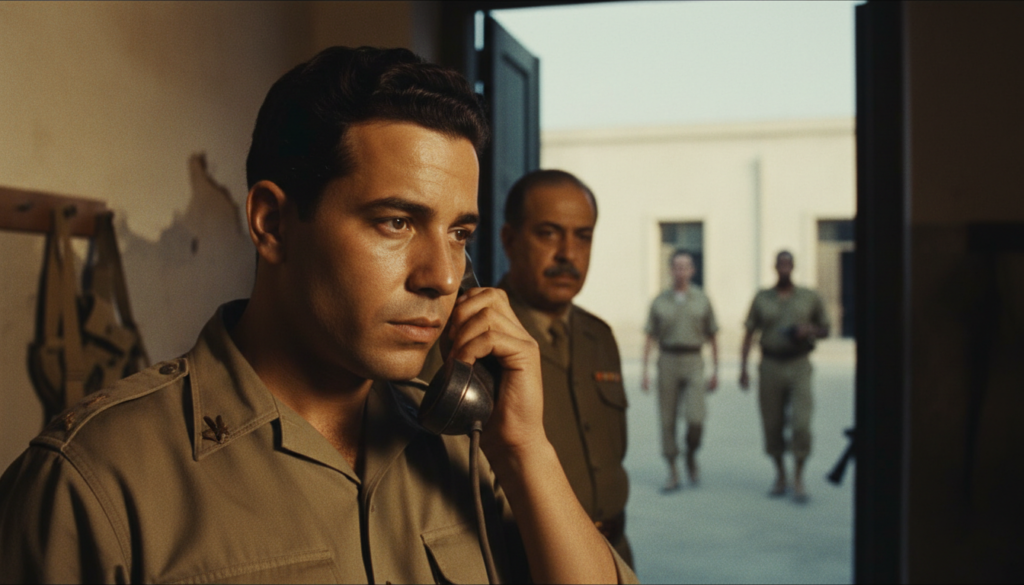
Egyptian Revolution Begins

Egyptian Revolution Begins
Year: 1952
On July 23, 1952, Egypt’s Free Officers Movement, led by figures including Mohamed Naguib and Gamal Abdel Nasser, seized power from King Farouk’s government. The coup forced Farouk to abdicate, ended the monarchy the following year, and paved the way for Nasser’s rise and sweeping political and social reforms. The revolution reflected opposition to corruption, inequality, and British influence, becoming a landmark in Arab nationalism and postwar decolonization.