![[e]Photo Stream](/logo.png)

July 7
5 moments across history
2005 London Bombings
On July 7, 2005, four Islamist suicide bombers detonated explosives on London's public transport system, killing 52 civilians and injuring over 700. As the deadliest terrorist attack in London's history, the event profoundly impacted British domestic security policy. The bombings also significantly shaped the nation's ongoing participation in the global War on Terror.
2005 London Bombings
Boris Becker Wins Wimbledon

Boris Becker Wins Wimbledon

Year: 1985
In 1985, seventeen-year-old Boris Becker won the men's singles title at Wimbledon, becoming the youngest male Grand Slam singles champion in history and the first unseeded player to win the tournament. This historic victory mattered because it instantly transformed the landscape of men's professional tennis by shattering previous age and seeding expectations. In the broader historical context of professional sports, his remarkable win popularized tennis globally and brought a new wave of international fans to the game.
Sandra Day O'Connor Nominated to the Supreme Court
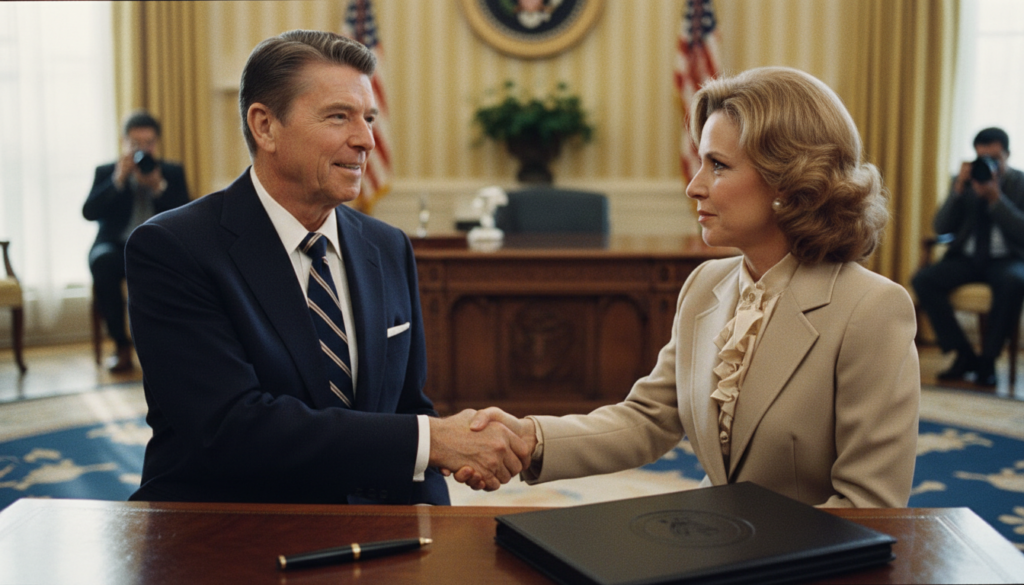
Event 3
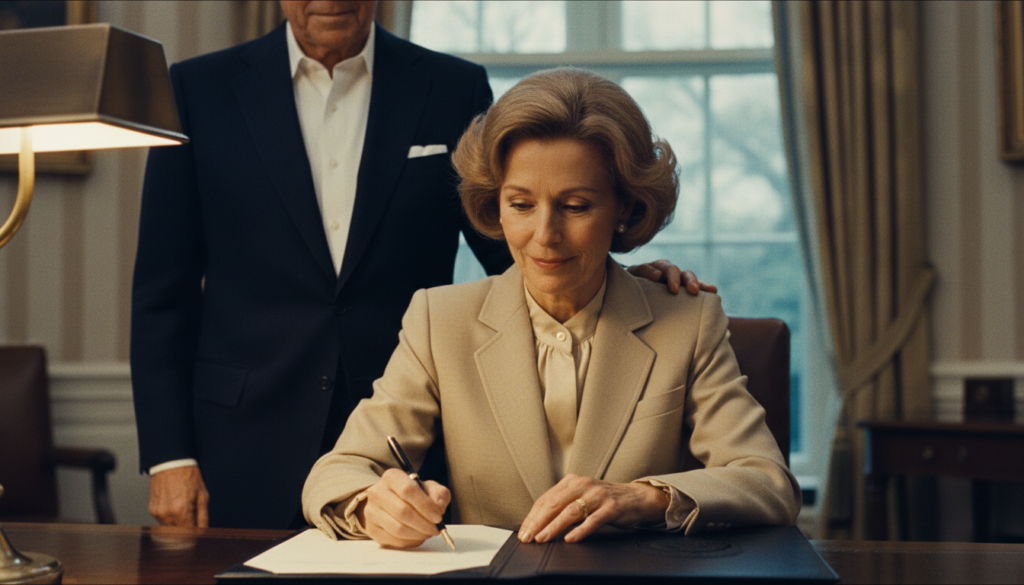
Year: 1981
In 1981, President Ronald Reagan nominated Sandra Day O'Connor to serve as an Associate Justice of the US Supreme Court. Following her confirmation, she became the first woman to serve on the high court, representing a historic milestone for gender equality in the United States judicial system. This landmark event took place during Reagan's presidency amid the broader late-twentieth-century movement for women's rights and representation in American government.
Keel of the USS Nautilus Laid

Keel of the USS Nautilus Laid

Year: 1952
In 1952, the keel of the USS Nautilus was laid in Groton, Connecticut, officially beginning the construction of the world's first nuclear-powered submarine. This technological breakthrough revolutionized naval warfare by demonstrating the unprecedented ability to remain submerged indefinitely and travel vast distances without surfacing. Developed during the early Cold War, the vessel fundamentally altered global naval strategy and marked a critical milestone in the military application of nuclear energy.
United States Marines Land in Iceland

United States Marines Land in Iceland

Year: 1941
On July 7, 1941, United States Marines landed in Iceland to relieve British occupation forces and defend the island against a potential Axis invasion. This deployment represented an early, active step of United States military involvement in the European theater of World War II. Occurring months before the attack on Pearl Harbor, it demonstrated a growing American commitment to supporting Allied forces against Nazi Germany.