![[e]Photo Stream](/logo.png)

July 22
5 moments across history
Norway Attacks (2011)
On July 22, 2011, far-right extremist Anders Behring Breivik detonated a car bomb near government buildings in Oslo, killing eight, then massacred 69 people, mostly teenagers, at a Labour Party youth camp on Utøya island. The attack mattered as Norway’s deadliest peacetime massacre, exposing vulnerabilities in domestic security and the rise of violent anti-immigrant, anti-Islamist ideology within Europe. Historically, it highlighted the global threat of lone-wolf terrorism driven by online radicalization, preceding similar far-right attacks in Christchurch, Pittsburgh, and elsewhere.
Norway Attacks (2011)
Uday and Qusay Hussein Killed in Mosul
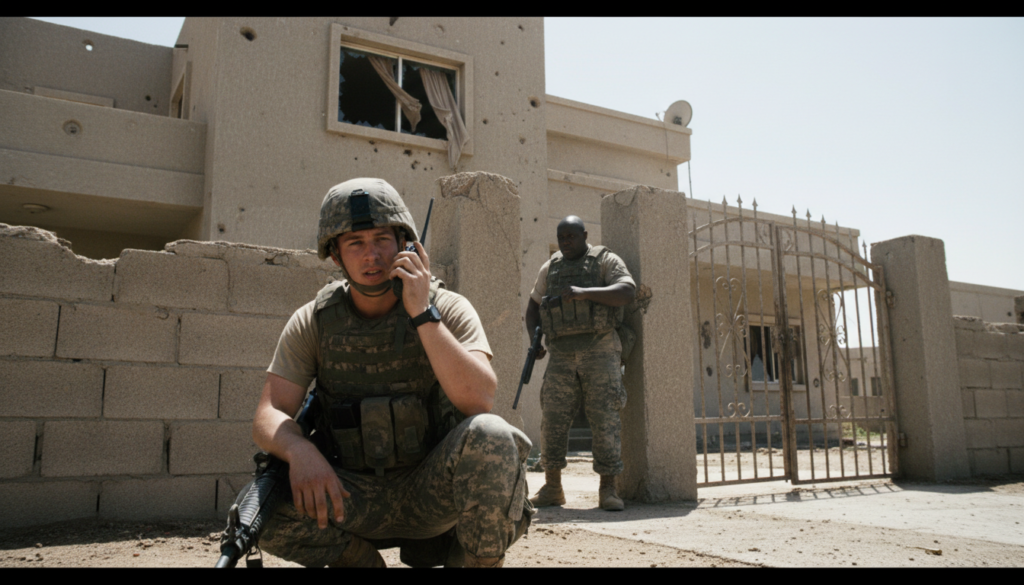
Uday and Qusay Hussein Killed in Mosul

Year: 2003
On July 22, 2003, U.S. forces killed Saddam Hussein’s sons, Uday and Qusay, in a firefight in Mosul, Iraq, following a tip about their location. Their deaths mattered because it removed two key figures from the former regime’s inner circle, dealt a symbolic blow to Ba'athist resistance, and led to the release of intelligence that helped locate Saddam himself later that year. This event occurred during the early occupation of Iraq after the 2003 U.S.-led invasion, amid ongoing insurgency and the hunt for regime leaders under the broader context of the Iraq War.
King David Hotel bombing
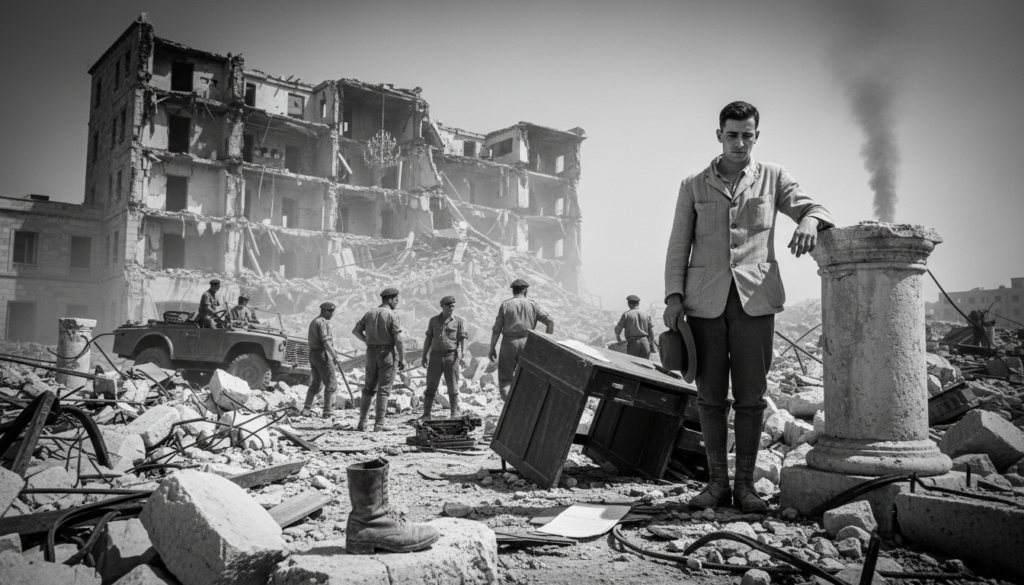
King David Hotel bombing

Year: 1946
On July 22, 1946, the Irgun bombed the King David Hotel in Jerusalem, killing 91 people and targeting the British administrative headquarters. This attack intensified the Jewish insurgency against British rule, significantly escalating the conflict in Mandatory Palestine. It occurred amid post-World War II struggles over Jewish immigration and statehood, contributing to the end of the British Mandate and the establishment of Israel in 1948.
Treblinka Extermination Camp Begins Operations

Treblinka Extermination Camp Begins Operations

Year: 1942
On July 22, 1942, the Treblinka extermination camp in occupied Poland began operations, initiating the systematic deportation of Jews from the Warsaw Ghetto as part of Operation Reinhard, the Nazi plan to murder Polish Jews. This event marked a critical escalation in the Holocaust, with approximately 300,000 Warsaw Jews transported to Treblinka within two months, where they were killed in gas chambers. Broader context includes the Nazi regime’s shift from ghettoization and mass shootings to industrialized genocide, ultimately resulting in over 800,000 deaths at Treblinka alone.
Wiley Post Completes First Solo Flight Around the World
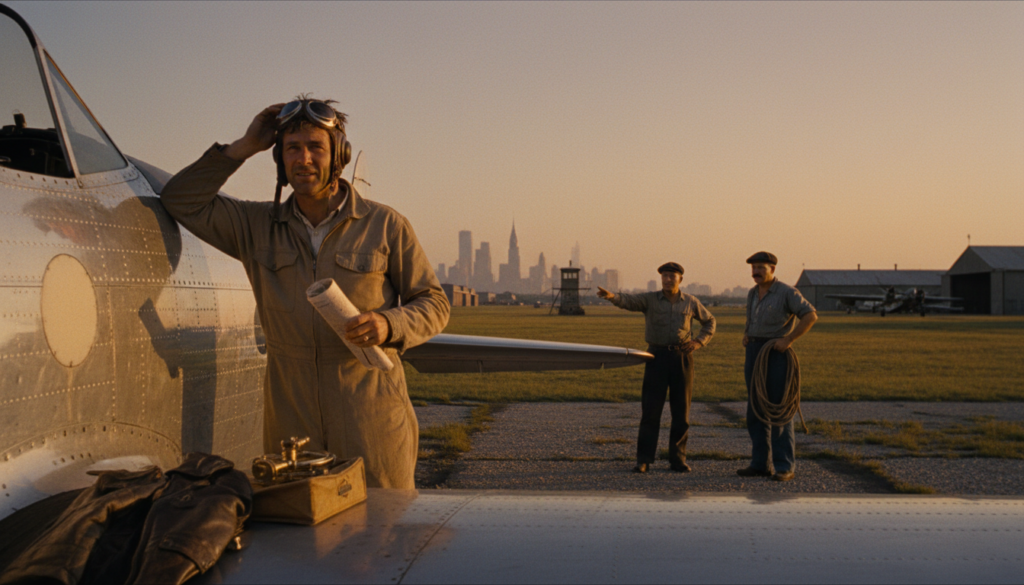
Wiley Post Completes First Solo Flight Around the World

Year: 1933
On July 22, 1933, American aviator Wiley Post landed in New York after completing the first solo flight around the world, a 7-day, 18-hour journey that demonstrated the feasibility of long-distance solo air travel. This achievement mattered because it proved the reliability of advanced navigation instruments, such as the autopilot and radio direction finder, which Post used to fly alone across continents and oceans. Historically, it occurred during the Golden Age of Aviation, a period of rapid technological innovation and record-setting flights that captured public imagination and laid groundwork for modern commercial and military aviation.