![[e]Photo Stream](/logo.png)
July 12
5 moments across history
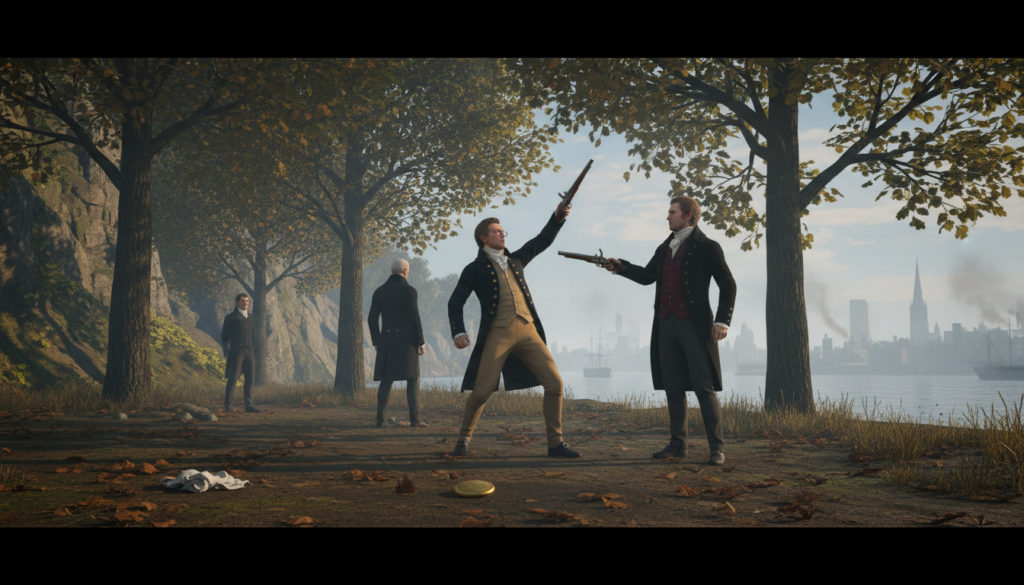
Alexander Hamilton Dies After Duel with Aaron Burr
On July 11, 1804, Alexander Hamilton was fatally wounded in a duel with Vice President Aaron Burr in Weehawken, New Jersey. He died the following day, July 12, from his injuries. Hamilton, the first U.S. Secretary of the Treasury and a key Founding Father, had a long-standing political rivalry with Burr. The duel erupted after Hamilton published scathing criticisms of Burr's character during Burr's failed bid for Governor of New York. Hamilton's death stunned the young American republic, effectively ended Burr's political career, and led to widespread condemnation of dueling as a means of settling political disputes. It remains one of the most famous duels in American history and solidified Hamilton's legacy as a foundational statesman.
Alexander Hamilton Dies After Duel with Aaron Burr
France Wins First FIFA World Cup (1998)

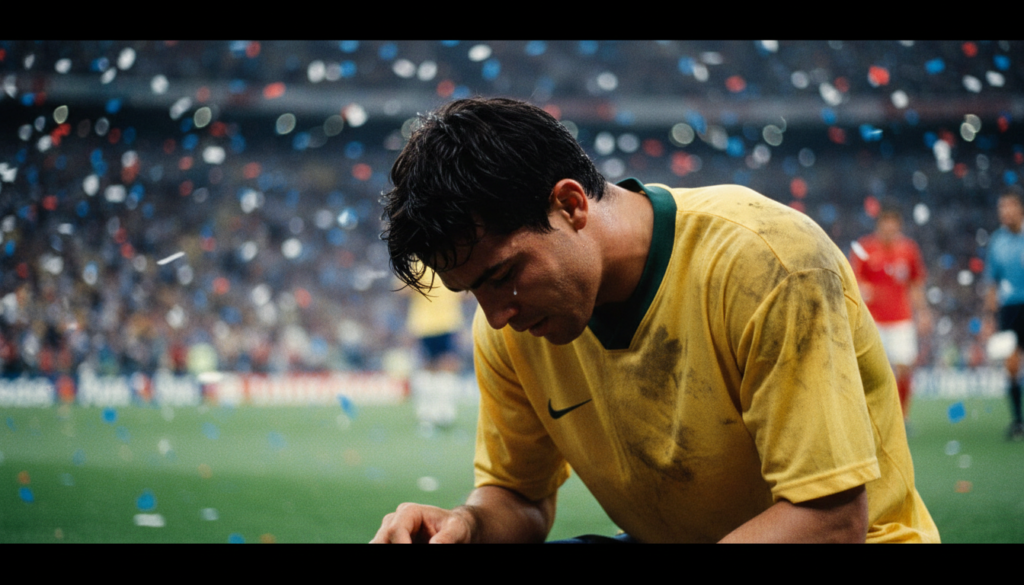
France Wins First FIFA World Cup (1998)
Year: 1998
On July 12, 1998, France defeated Brazil 3-0 in the FIFA World Cup final hosted in Paris, securing their first title. This victory mattered because it marked France's first World Cup championship, achieved on home soil, and ended Brazil's attempt to defend their 1994 title. Broader historical context includes France's emergence as a football power and the tournament being the first with 32 teams, expanding global representation.
Disco Demolition Night Causes Riot

Disco Demolition Night Causes Riot

Year: 1979
On July 12, 1979, at Comiskey Park in Chicago, a promotional event between a doubleheader baseball game turned violent when a crate of disco records was blown up, causing thousands of fans to storm the field, forcing the cancellation of the second game. This event mattered as it symbolized a fierce cultural backlash against disco music, which had dominated the charts, reflecting tensions around race, sexuality, and commercialism in late 1970s America. Historically, it marked a turning point in popular music, contributing to disco's rapid decline and the rise of rock and new wave genres in the following decade.
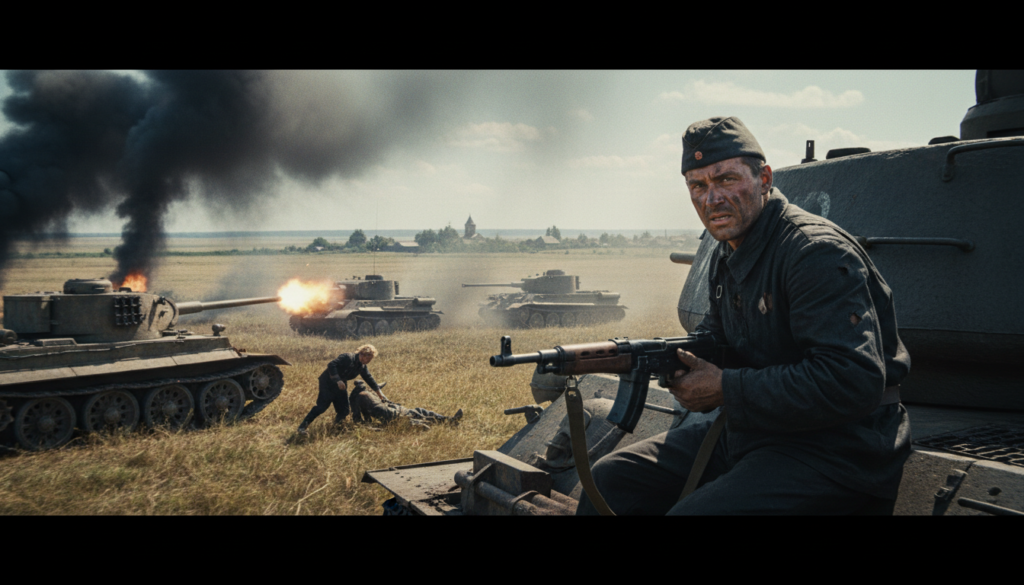
São Tomé and Príncipe Gains Independence
São Tomé and Príncipe Gains Independence

Year: 1975
On July 12, 1975, São Tomé and Príncipe formally gained independence from Portugal, ending centuries of colonial rule that had begun with Portuguese settlement in the late 15th century. This event mattered as it marked the decolonization of one of Africa’s smallest nations, following the 1974 Carnation Revolution in Portugal, which accelerated the dissolution of its empire. The independence was part of a broader wave of African decolonization in the mid-20th century, reflecting the global shift away from European colonialism after World War II.
The Rolling Stones Perform First Gig

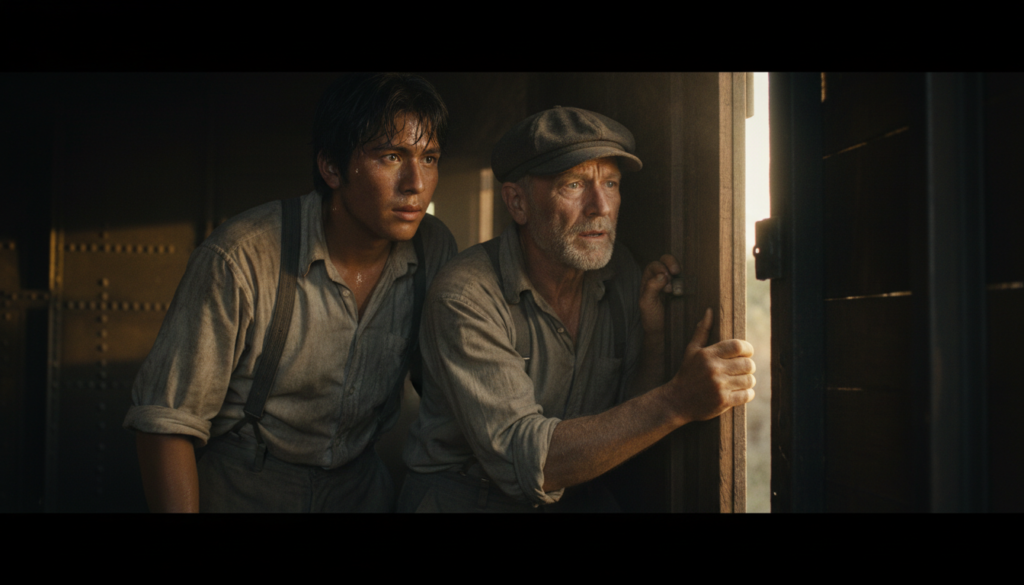
The Rolling Stones Perform First Gig
Year: 1962
On July 12, 1962, the Rolling Stones performed their first public gig at the Marquee Club in London, featuring their original lineup of Mick Jagger, Keith Richards, Brian Jones, Ian Stewart, and Dick Taylor. This debut marked the beginning of a band that would become central to the British Invasion, challenging the polished pop of the era with a raw, blues-driven sound that reshaped rock music. Historically, it emerged during a period of post-war cultural transformation in the UK, where youth rebellion and American rhythm and blues fused to create a new countercultural force.