![[e]Photo Stream](/logo.png)
July 18
5 moments across history
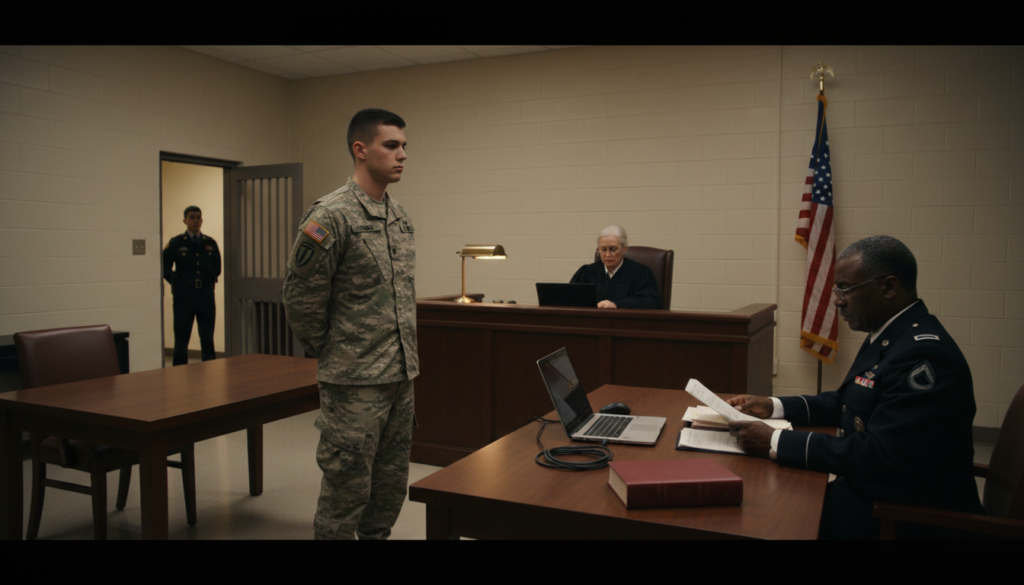
Bradley Manning Charged with 22 Counts for WikiLeaks Disclosure
On July 18, 2012, U.S. Army private Bradley Manning was formally charged with 22 counts, including violations of the Espionage Act, for leaking hundreds of thousands of classified military and diplomatic documents to WikiLeaks. The case mattered because it represented the largest unauthorized disclosure of classified information in U.S. history, sparking intense debate over government transparency, whistleblower protections, and national security. Historically, it occurred amid broader post-9/11 tensions over state secrecy and the rise of digital leaks, leading to Manning’s conviction in 2013 and later a commuted sentence.
Bradley Manning Charged with 22 Counts for WikiLeaks Disclosure
1992 Los Angeles Riots

1992 Los Angeles Riots

Year: 1992
In 1992, a jury acquitted four Los Angeles police officers of most charges in the beating of Rodney King, despite video evidence. The acquittal sparked the 1992 Los Angeles riots, causing days of widespread looting, arson, and violence. This event exposed deep racial tensions and police brutality, becoming a catalyst for ongoing debates on justice and reform.
Intel Corporation Founded by Robert Noyce and Gordon Moore
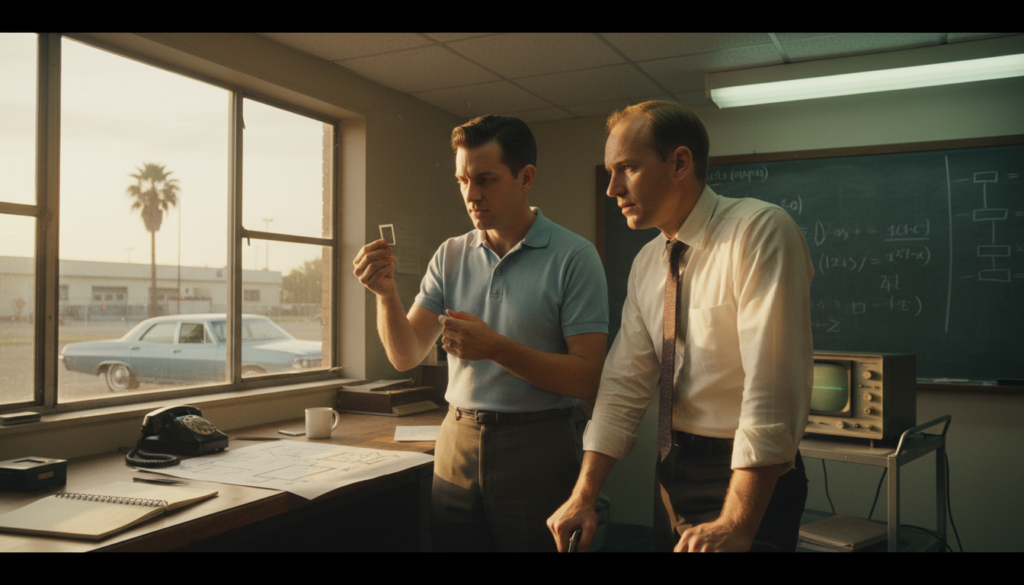
Intel Corporation Founded by Robert Noyce and Gordon Moore
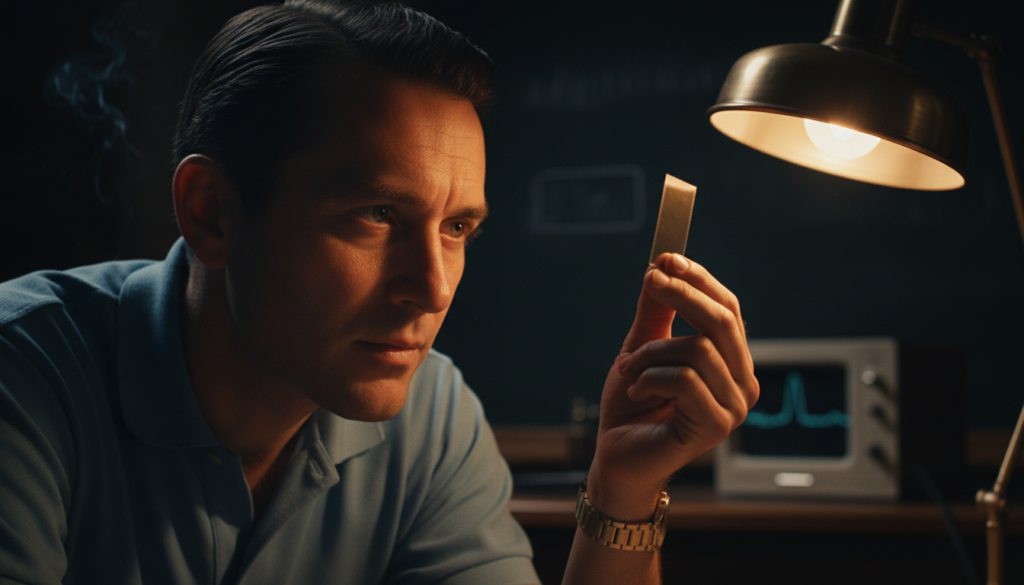
Year: 1968
On July 18, 1968, Robert Noyce and Gordon Moore co-founded Intel Corporation in Mountain View, California, to develop semiconductor memory chips. This mattered because Intel later created the microprocessor, revolutionizing computing by making it smaller, cheaper, and more accessible. The event occurred during the early rise of Silicon Valley, with Noyce’s previous co-invention of the integrated circuit providing the technical groundwork for the digital age.
Hideki Tojo Resigns as Prime Minister of Japan
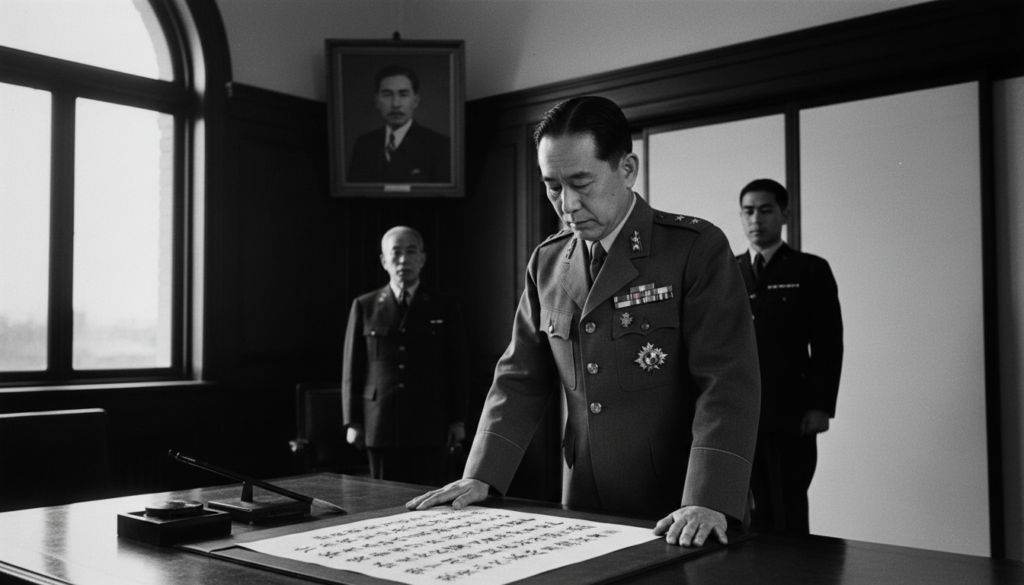
Event 4
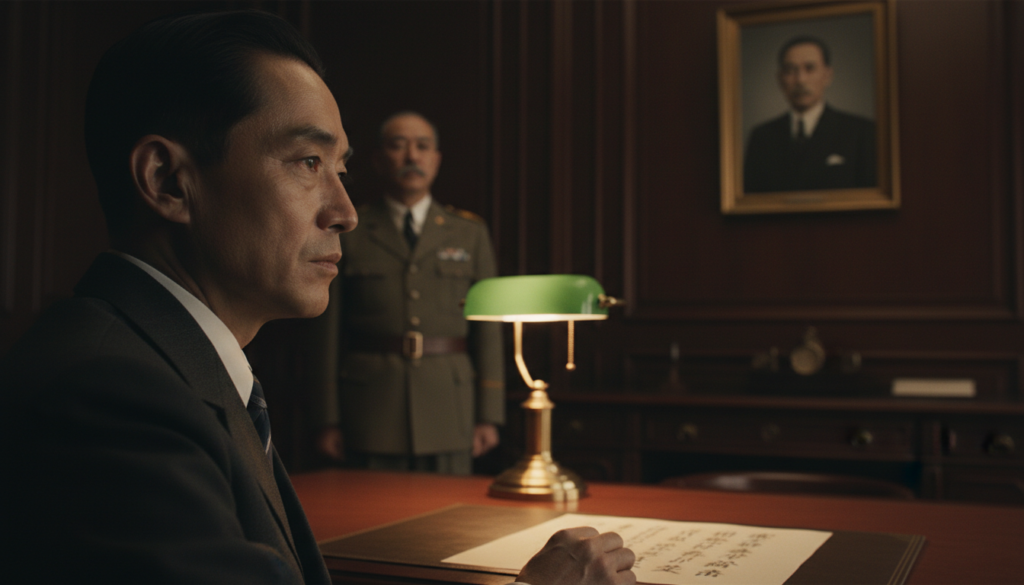
Year: 1944
On July 18, 1944, Hideki Tojo resigned as Prime Minister of Japan following the American capture of Saipan, a critical defeat that breached Japan's inner defensive perimeter. This mattered because Tojo's fall marked a turning point in Japanese wartime leadership, signaling the collapse of political unity and the inevitability of Japan's strategic decline in the Pacific. In broader context, the loss of Saipan allowed U.S. bombers to reach the Japanese home islands, accelerating the end of World War II in the Pacific.
First Test Flight of the Messerschmitt Me 262
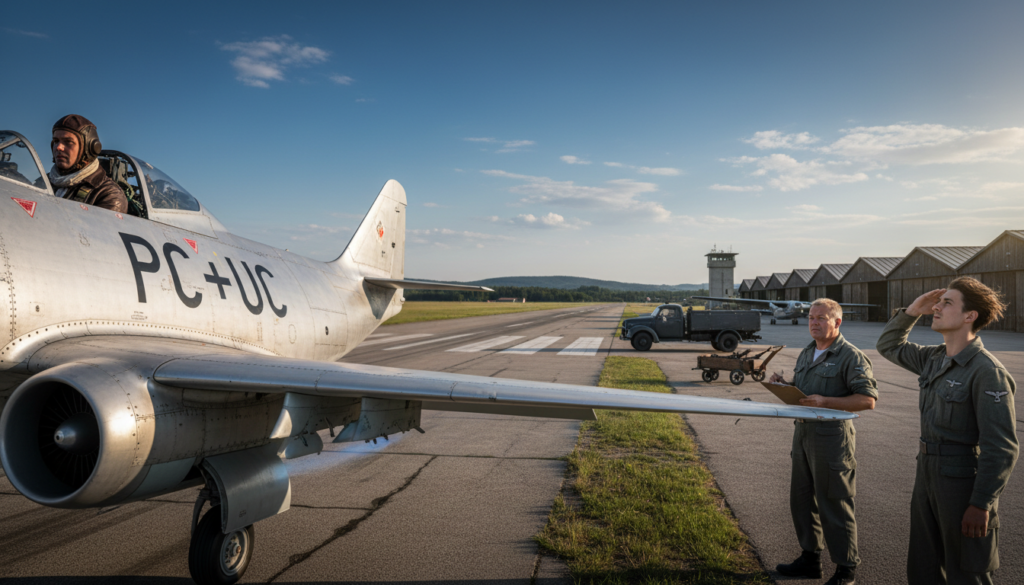
First Test Flight of the Messerschmitt Me 262
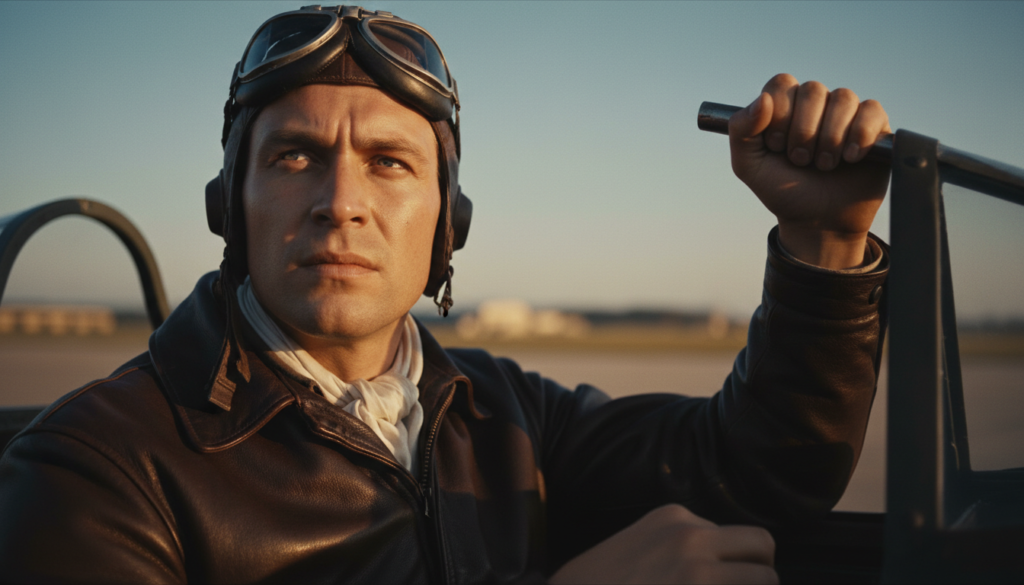
Year: 1942
On July 18, 1942, the German Messerschmitt Me 262 made its first test flight, powered by jet engines rather than propellers, marking the debut of the world's first operational jet fighter. This mattered because it introduced a radical leap in aviation technology—vastly superior speed and altitude—that could have altered air combat in World War II, though production delays and strategic missteps limited its impact. In the broader context, the Me 262 emerged amid the escalating war, representing Nazi Germany's advanced engineering but also its inability to deploy such innovations effectively before Allied air superiority and bombing campaigns overwhelmed its resources.