![[e]Photo Stream](/logo.png)

July 4
5 moments across history
President Lyndon B. Johnson Signs the Freedom of Information Act
On July 4, 1966, President Lyndon B. Johnson signed the Freedom of Information Act (FOIA) into law, empowering the public and press to request access to federal agency records. This legislation mattered because it drastically increased government transparency and accountability by legally obligating agencies to disclose previously hidden information. Enacted during a Cold War era marked by growing public concerns over expanding executive secrecy, FOIA became an enduring cornerstone of modern democratic oversight.
President Lyndon B. Johnson Signs the Freedom of Information Act
Philippine Independence
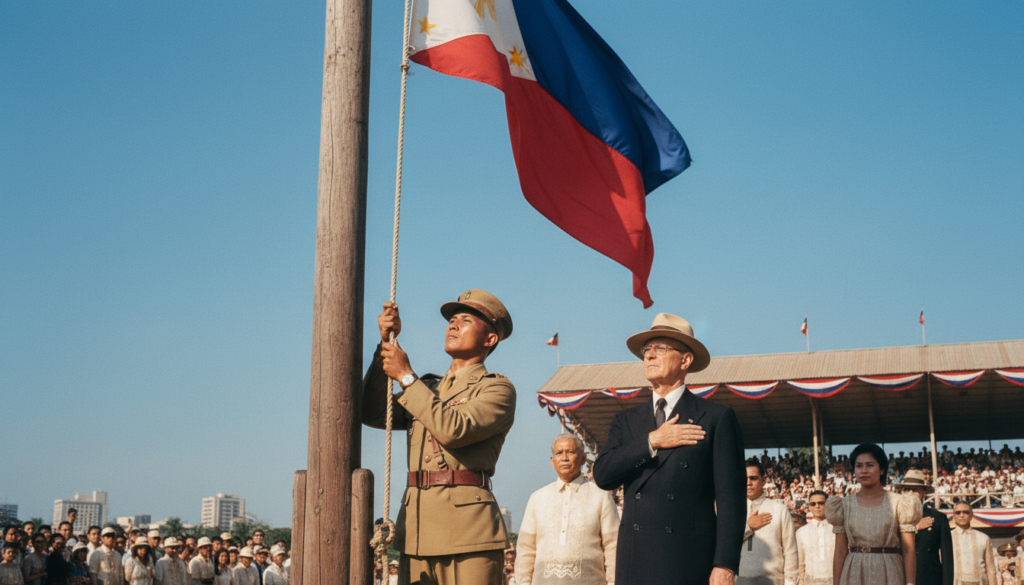
Philippine Independence

Year: 1946
On July 4, 1946, the United States granted independence to the Philippines, establishing the Republic of the Philippines. This mattered because it formally ended nearly half a century of U.S. colonial rule over the territory. In a broader historical context, this transition marked a significant step in global post-World War II decolonization.
Lou Gehrig's "Luckiest Man" Farewell Speech

Lou Gehrig's "Luckiest Man" Farewell Speech
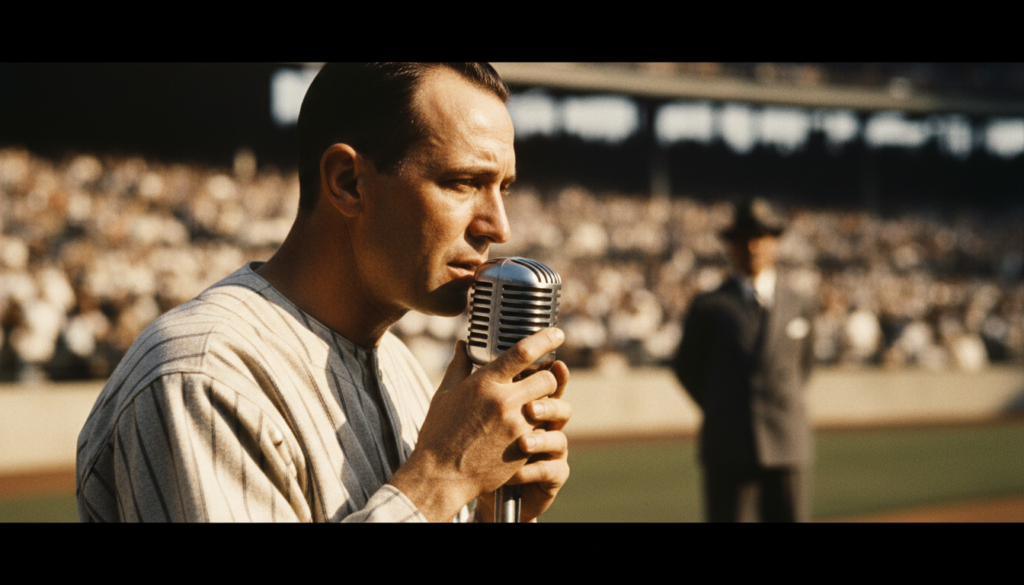
Year: 1939
On July 4, 1939, ailing New York Yankees legend Lou Gehrig delivered his famous "Luckiest Man on the Face of the Earth" farewell speech at Yankee Stadium. This iconic address mattered because it dramatically raised public awareness of amyotrophic lateral sclerosis (ALS), a devastating disease that was later colloquially named after him. The ceremony occurred during the waning years of the Great Depression, offering a struggling nation a profound example of stoicism and courage just months before the outbreak of World War II.
France Presents the Statue of Liberty

France Presents the Statue of Liberty

Year: 1884
On July 4, 1884, France officially presented the completed Statue of Liberty to the United States during a ceremony in Paris. This diplomatic gift commemorated the alliance between the two nations during the American Revolution and the centennial of US independence. The monument went on to become a universal symbol of freedom and democracy, acting as a welcoming beacon to millions of immigrants arriving in America.
Opening of the Tuskegee Normal and Industrial Institute
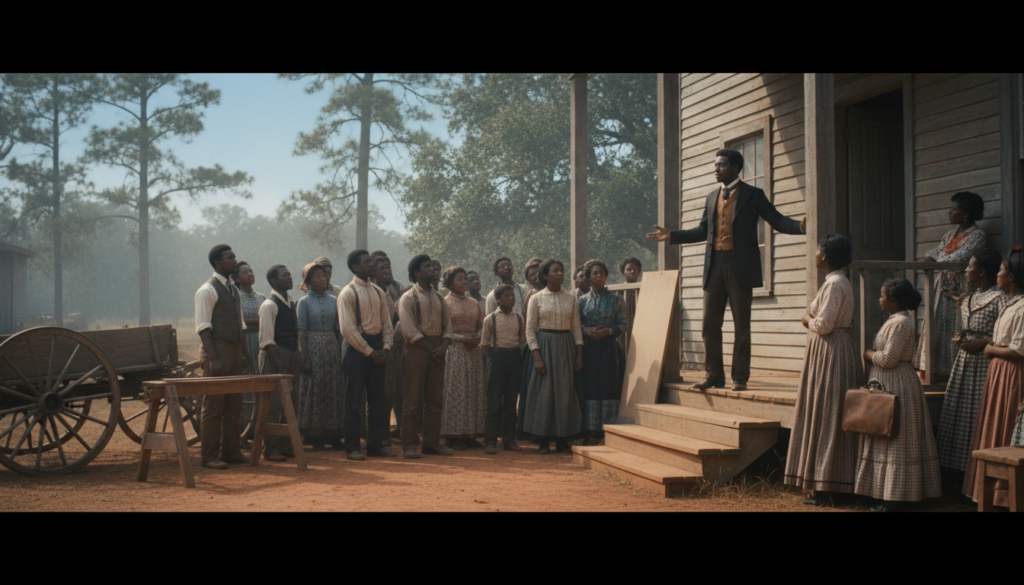
Opening of the Tuskegee Normal and Industrial Institute

Year: 1881
On July 4, 1881, Booker T. Washington opened the Tuskegee Normal and Industrial Institute in Alabama, a school dedicated to training African American teachers and skilled tradespeople. It mattered because it became a leading center for Black education and economic empowerment during the Jim Crow era, providing practical skills and fostering Black leadership. In the broader context of post-Reconstruction America, the institute represented a crucial institution for African American advancement at a time when segregation and systemic racism were being codified across the South.