![[e]Photo Stream](/logo.png)

June 29
5 moments across history
First-Generation iPhone Released (2007)
On June 29, 2007, Apple Inc. released the first-generation iPhone in the United States, combining a phone, iPod, and internet communicator into a single touchscreen device. It mattered because it popularized multi-touch gestures and a mobile operating system that later supported third-party apps via the App Store, fundamentally redefining the smartphone user experience. Historically, the iPhone arrived during a shift from feature phones and keyboard-based devices like BlackBerry to touchscreen-centered computing, ultimately transforming global communication, digital commerce, and software ecosystems.
First-Generation iPhone Released (2007)
First Space Shuttle-Mir Docking

First Space Shuttle-Mir Docking

Year: 1995
On June 29, 1995, the Space Shuttle Atlantis successfully docked with the Russian space station Mir, marking the first-ever linkup between a U.S. space shuttle and a Russian orbital station. This mission, part of the Shuttle-Mir program, was significant as it symbolized post-Cold War cooperation in space and laid the groundwork for the future International Space Station (ISS). In broader historical context, it represented a shift from competition to collaboration between the two former rival superpowers in human spaceflight.
Furman v. Georgia: Supreme Court Strikes Down Death Penalty as Unconstitutional

Furman v. Georgia

Year: 1972
On June 29, 1972, the U.S. Supreme Court ruled in Furman v. Georgia that the death penalty, as then applied, violated the Eighth Amendment's prohibition of cruel and unusual punishment, effectively suspending all executions nationwide. This decision mattered because it highlighted arbitrary and discriminatory sentencing, particularly against Black defendants, leading to a de facto moratorium until states revised their capital punishment laws to meet constitutional standards. The ruling occurred amid growing national debate over civil rights and criminal justice reform, ultimately reshaping the legal landscape of capital punishment in America.
Federal Aid Highway Act of 1956
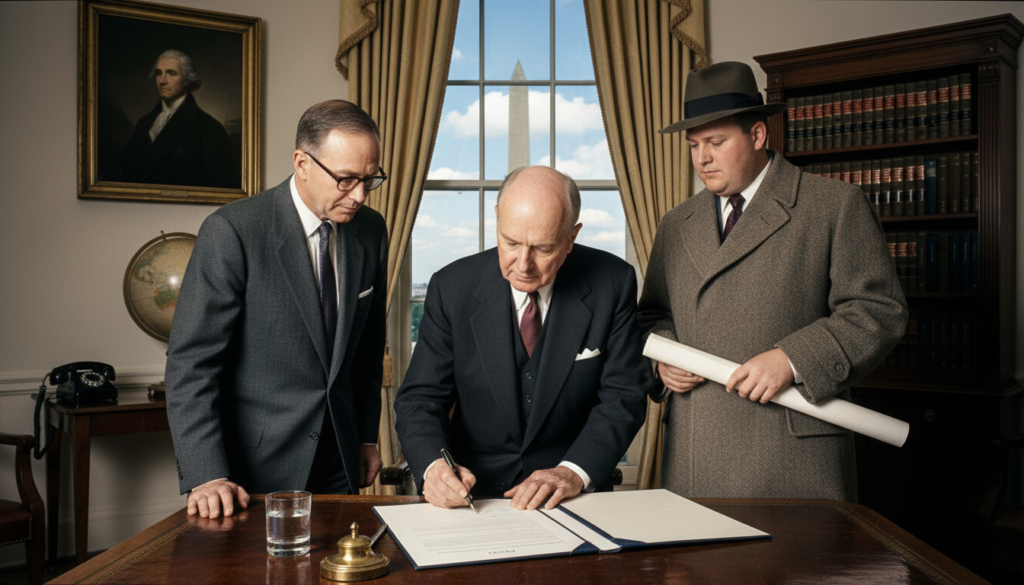
Federal Aid Highway Act of 1956

Year: 1956
President Dwight D. Eisenhower signed the Federal Aid Highway Act of 1956, authorizing the construction of the Interstate Highway System. This created a 41,000-mile network of high-speed, limited-access roads that dramatically reshaped American transportation, commerce, and suburban expansion. The act was motivated by Cold War defense requirements for rapid military movement, along with goals of economic growth and improved traffic safety.
First Flight of the Focke-Wulf Fw 61

First Flight of the Focke-Wulf Fw 61

Year: 1936
On June 29, 1936, the Focke-Wulf Fw 61, designed by Professor Henrich Focke, made its first flight in Bremen, Germany, demonstrating the world’s first fully controllable helicopter. This event mattered because it proved that a rotorcraft could achieve stable, controlled flight in all axes—pitch, roll, and yaw—unlike earlier autogyros or unstable prototypes, laying the foundation for practical helicopter aviation. Historically, this breakthrough occurred during the interwar period, amid rapid German aerospace innovation under the Nazi regime, though the Fw 61 itself remained a testbed rather than a production model, foreshadowing the helicopter’s later military and civilian roles in the post-World War II era.