![[e]Photo Stream](/logo.png)
June 4
5 moments across history
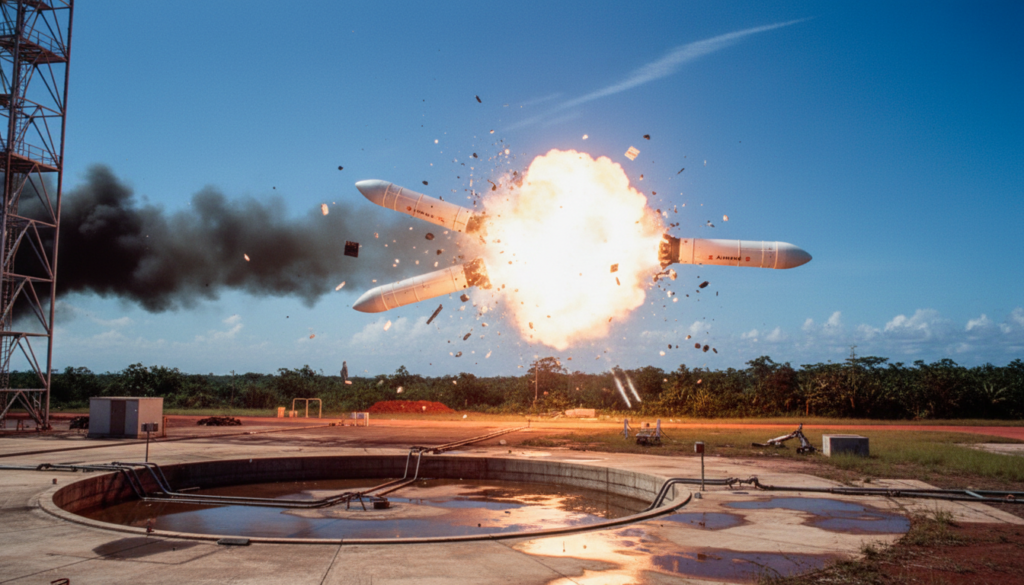
Ariane 5 Flight V88 Failure (1996)
On June 4, 1996, the maiden flight of the Ariane 5 rocket (Flight V88) ended in a catastrophic explosion 37 seconds after liftoff due to a software error that caused the inertial reference system to fail. This failure mattered because it destroyed the four Cluster scientific satellites worth $500 million and set back Europe’s independent access to space, leading to a major redesign of Ariane 5’s software and testing protocols. Historically, the event highlighted the dangers of software reuse from the earlier Ariane 4 without adequate adaptation, and it became a classic case study in software engineering and risk management for large-scale systems.
Event 1
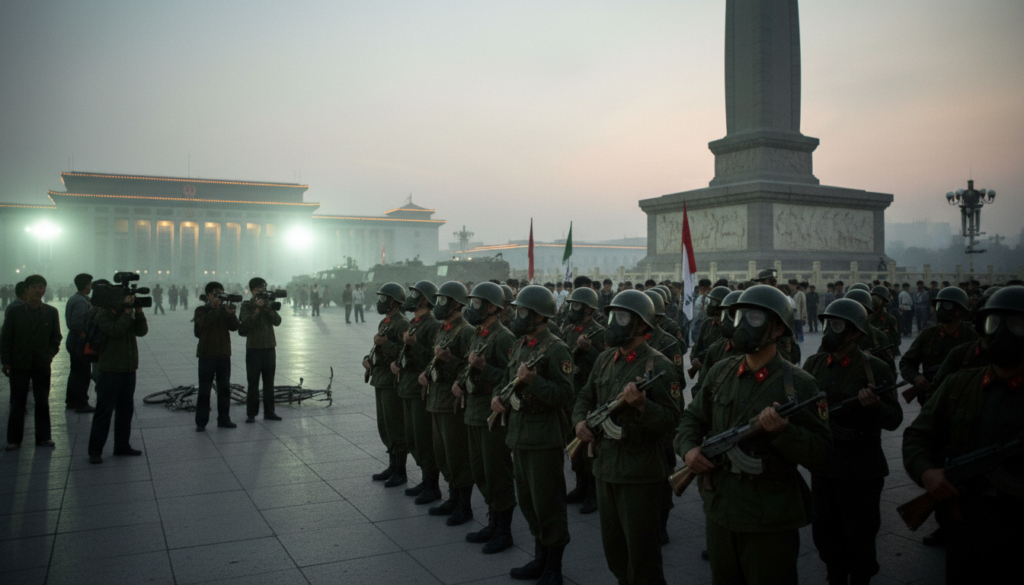
Tiananmen Square Protests and Military Response (1989)
Event 2

Year: 1989
On June 4, 1989, the People’s Liberation Army forcibly cleared pro-democracy protesters from Tiananmen Square in Beijing, resulting in an unknown number of civilian casualties. The event mattered as a decisive suppression of China’s largest public political movement since the Cultural Revolution, reinforcing the Communist Party’s commitment to maintaining social stability and single-party rule. Broader historical context includes China’s post-Mao economic reforms under Deng Xiaoping, which had fueled demands for political liberalization, and the subsequent tightening of state control that shaped China’s domestic and international relations for decades.
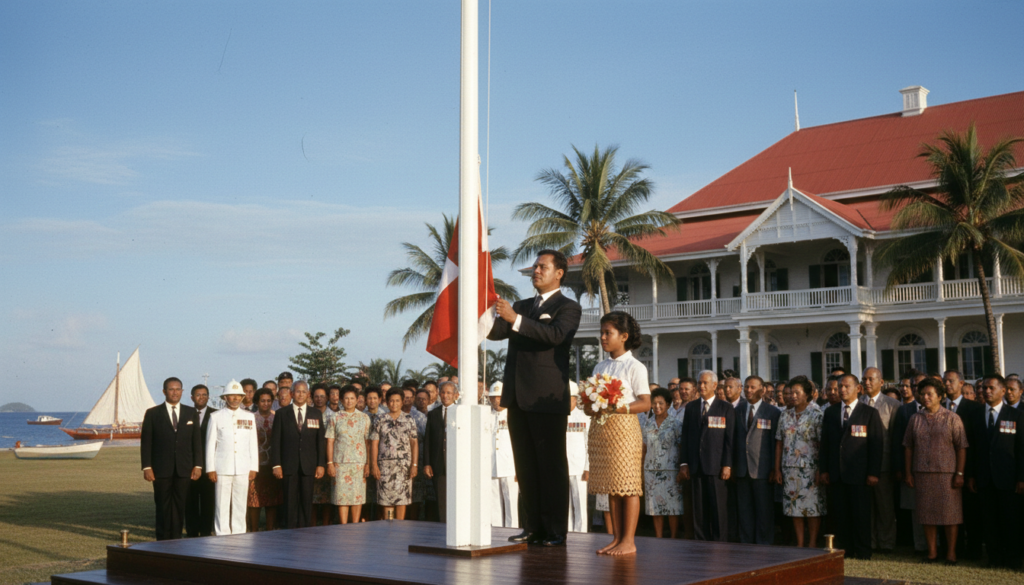
Tonga Gains Full Independence from British Protectorate
Event 3
Year: 1970
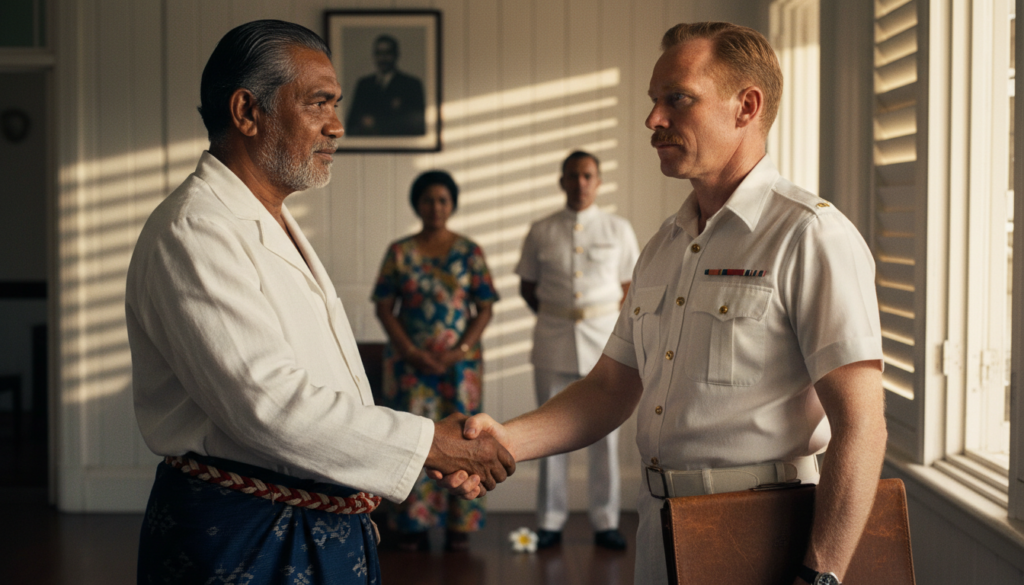
On June 4, 1970, the Kingdom of Tonga ended its protected status under the United Kingdom, becoming a fully independent nation. This event mattered as it restored full sovereignty to the only remaining Polynesian monarchy, allowing Tonga to control its own foreign affairs and governance after over 70 years as a British protectorate. Historically, this occurred during the broader wave of decolonization in the Pacific and Africa, with Tonga uniquely retaining its monarchical system while transitioning from colonial oversight to self-rule.
Liberation of Rome (1944)

Liberation of Rome (1944)

Year: 1944
On June 4, 1944, Allied forces, primarily the U.S. Fifth Army, entered Rome after breaking through German defensive lines, achieving the liberation of the first Axis capital. This victory boosted Allied morale and demonstrated the crumbling of Axis control in Europe, coming just days before the D-Day landings in Normandy. In the broader context of World War II, the fall of Rome marked a strategic turning point in the Italian Campaign, forcing German forces to retreat northward and hastening the collapse of Mussolini’s fascist regime.
Battle of Midway Begins

Battle of Midway Begins

Year: 1942
On June 4, 1942, the Imperial Japanese Navy launched a carrier-based attack on Midway Atoll, aiming to neutralize U.S. forces and extend Japan’s defensive perimeter. The ensuing battle resulted in the decisive loss of four Japanese aircraft carriers against one U.S. carrier, permanently shifting the naval balance in the Pacific. This victory marked the turning point in the Pacific Theater of World War II, ending Japanese offensive expansion and placing the United States on a strategic offensive.