![[e]Photo Stream](/logo.png)

June 5
5 moments across history
The End of an Era: Ronald Reagan's Death
Ronald Reagan passed away on June 5, 2004, at his home in Bel Air, California, bringing an end to a remarkable life that had profoundly impacted American politics and foreign policy. As the 40th President of the United States, Reagan's conservative ideology shaped his policies, including his hardline stance against communism and his role in ending the Cold War. His death marked the close of a significant chapter in American history, as he was one of the most influential leaders of the late 20th century.
Event 1
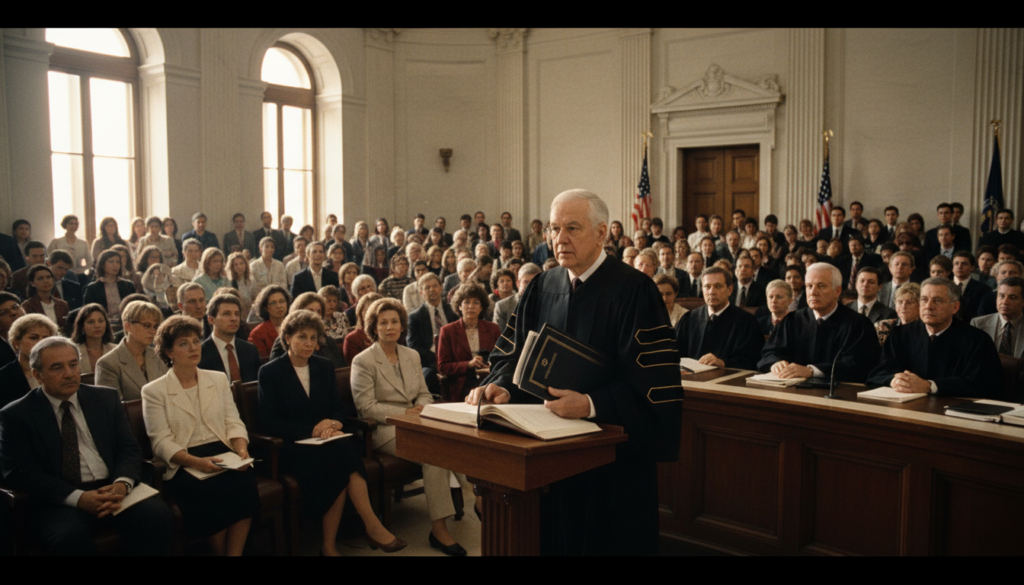
Landmark Supreme Court Case Limits Federal Power Under Commerce Clause
Event 2
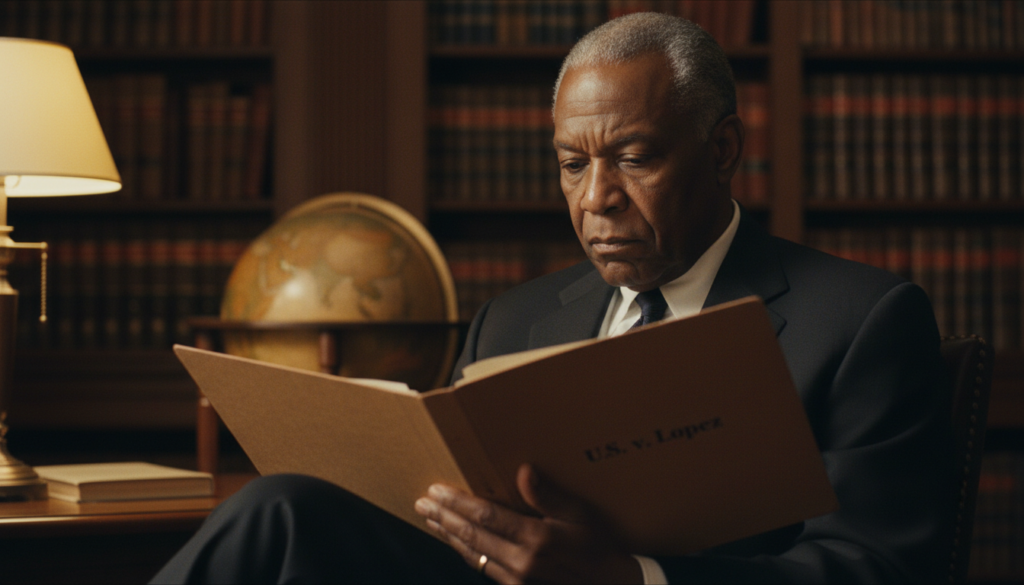
Year: 1995
The US Supreme Court ruled in U.S. v. Lopez that Congress overstepped its authority under the Commerce Clause by regulating gun possession near schools, marking a significant limit on federal power. This decision mattered as it reined in Congressional attempts to regulate non-economic activities under the guise of interstate commerce, restoring some balance between federal and state authority. The ruling occurred during a period of increased scrutiny of federal power, reflecting conservative judicial trends of the 1990s that sought to restrict government overreach.
First AIDS Cases Reported by CDC

First AIDS Cases Reported by CDC

Year: 1981
On June 5, 1981, the U.S. Centers for Disease Control reported five cases of Pneumocystis carinii pneumonia in young gay men from Los Angeles, marking the first recognized official documentation of what would become known as AIDS. This announcement mattered because it signaled the emergence of a deadly new epidemic that initially struck marginalized communities, leading to widespread fear, stigma, and a delayed public health response. In broader historical context, the report launched decades of scientific research, activism, and global health efforts that eventually transformed HIV from a death sentence into a manageable chronic condition for many, though the pandemic continues to affect millions worldwide.
Teton Dam Collapse
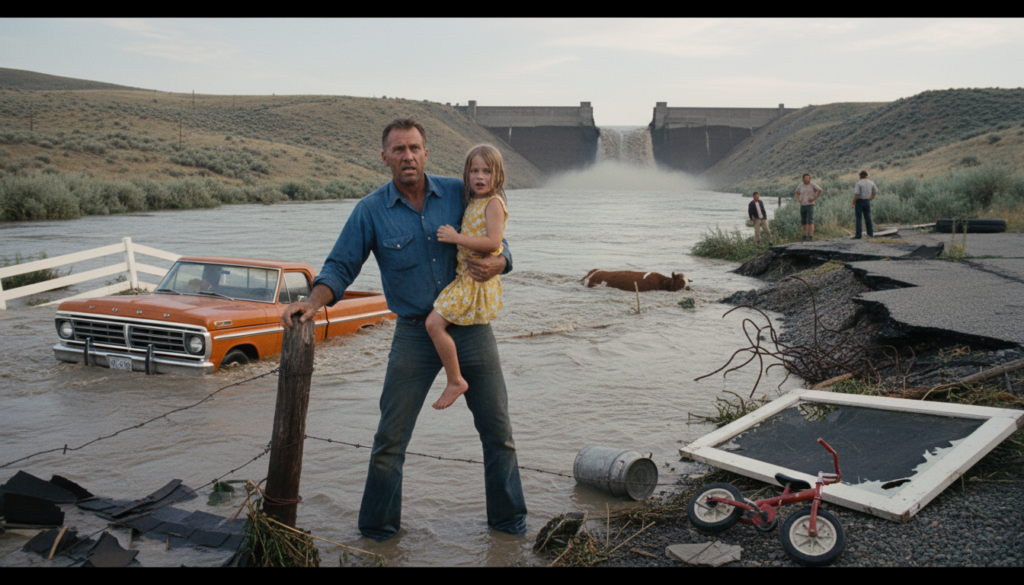
Teton Dam Collapse

Year: 1976
On June 5, 1976, the Teton Dam in eastern Idaho failed just hours after first leaks appeared, releasing 80 billion gallons of water that swept downstream, destroying thousands of homes and killing 11 people. The disaster highlighted catastrophic engineering failures, as the dam’s design—built on fractured volcanic rock without adequate grout curtains—had been questioned by geologists. It became a pivotal case in dam safety reform, leading to stricter federal oversight and greater public skepticism of large-scale water projects in the American West.
Suez Canal Reopens After Eight-Year Closure
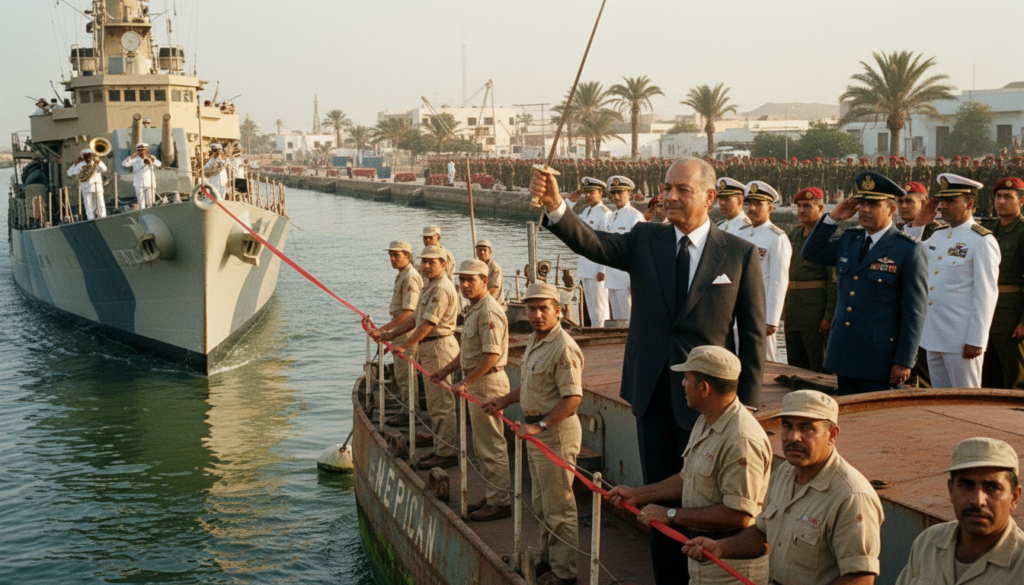
Suez Canal Reopens After Eight-Year Closure

Year: 1975
The Suez Canal reopened on June 5, 1975, after being closed since the 1967 Six-Day War due to blockages and military occupation. Its reopening restored a vital international shipping route, reducing travel time between Europe and Asia and boosting global trade efficiency. This event symbolized post-1973 war diplomatic progress, particularly Egypt's shift toward peace and the canal's role in regional stability.