![[e]Photo Stream](/logo.png)

June 25
5 moments across history
Slovenia and Croatia Declare Independence
On June 25, 1991, Slovenia and Croatia declared independence from Yugoslavia, sparking a series of secessions that would ultimately lead to the country's dissolution into six separate nations. This event marked a significant turning point in the region's history, as the Yugoslav state had been held together by the authoritarian rule of Josip Broz Tito since World War II. The declarations of independence were a key moment in the breakup of Yugoslavia, which was fueled by rising nationalism and ethnic tensions in the wake of Tito's death in 1980.
Event 1
The Emergency: India's Dark Chapter
Event 2
Year: 1975
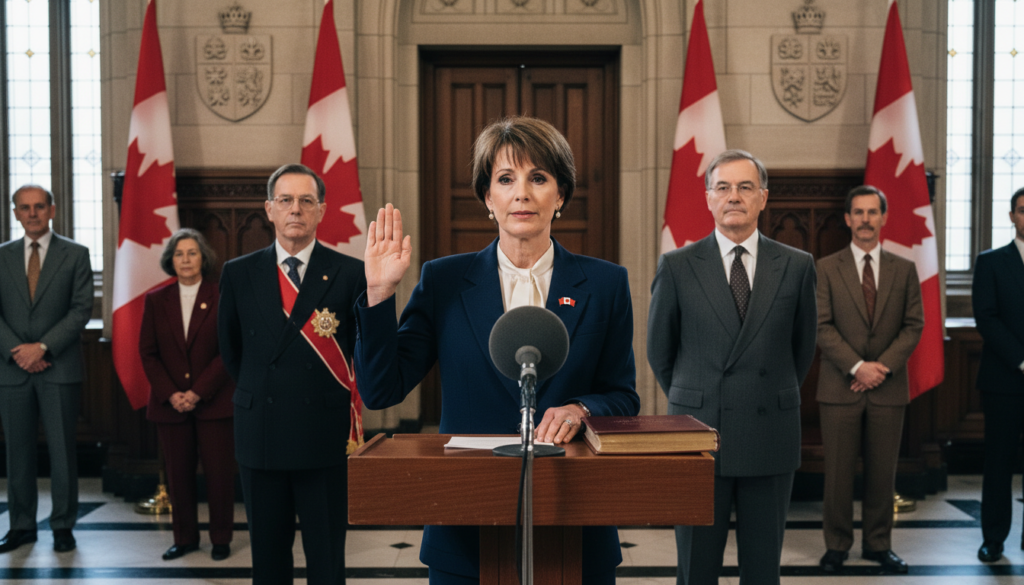
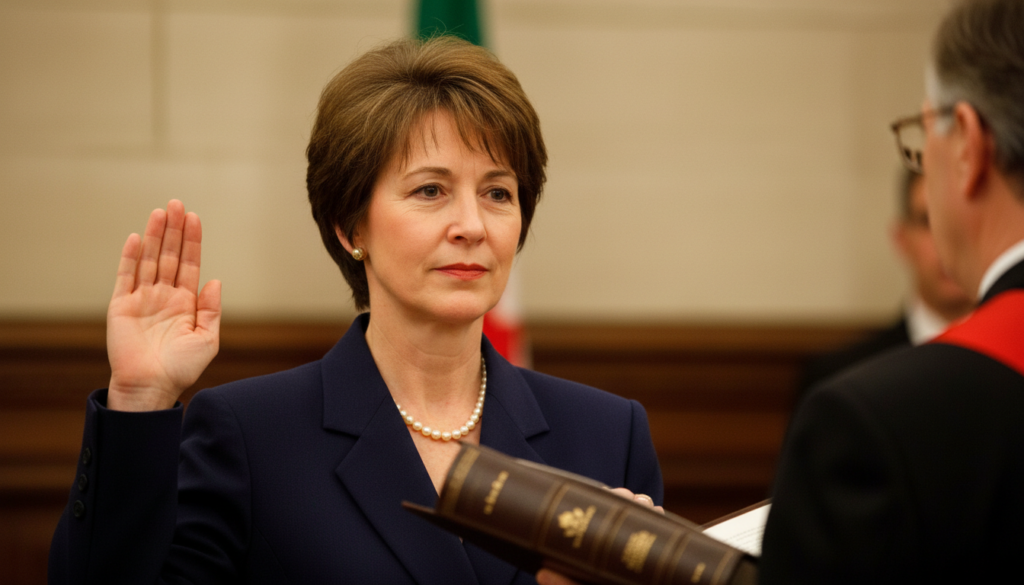
On June 25, 1975, Indian Prime Minister Indira Gandhi declared a state of emergency, granting herself sweeping powers to suppress opposition and dissent, which led to widespread human rights abuses and the suspension of civil liberties. This event marked a significant turning point in India's democratic history, as it undermined the country's commitment to individual freedoms and the rule of law. The Emergency period lasted for nearly two years, until 1977, when Gandhi's government was defeated in elections and the state of emergency was lifted.
Croatia and Slovenia Declare Independence from Yugoslavia
Croatia and Slovenia Declare Independence from Yugoslavia

Year: 1991
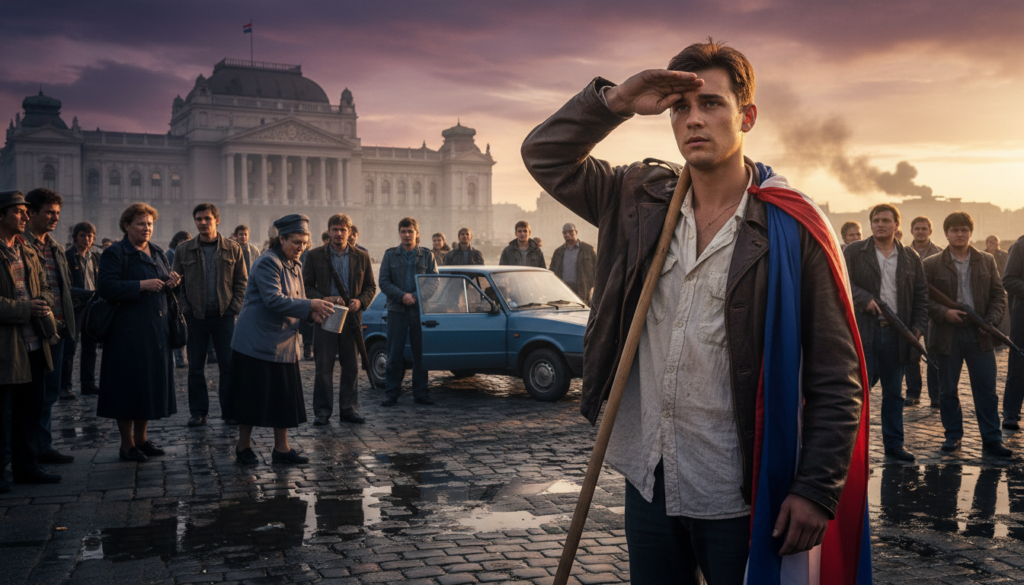
On June 25, 1991, Croatia and Slovenia formally declared independence from Yugoslavia, each issuing separate declarations that asserted sovereignty over their territories. This act directly triggered the Yugoslav Wars, as the federal Yugoslav army and Serb forces opposed secession, leading to armed conflicts that dismantled the multi-ethnic federation. The declarations followed years of rising nationalism and economic disparity after the death of Josip Broz Tito, reflecting the broader collapse of communist federations across Eastern Europe.
Mozambique Gains Independence from Portugal
Mozambique Gains Independence from Portugal
Year: 1975
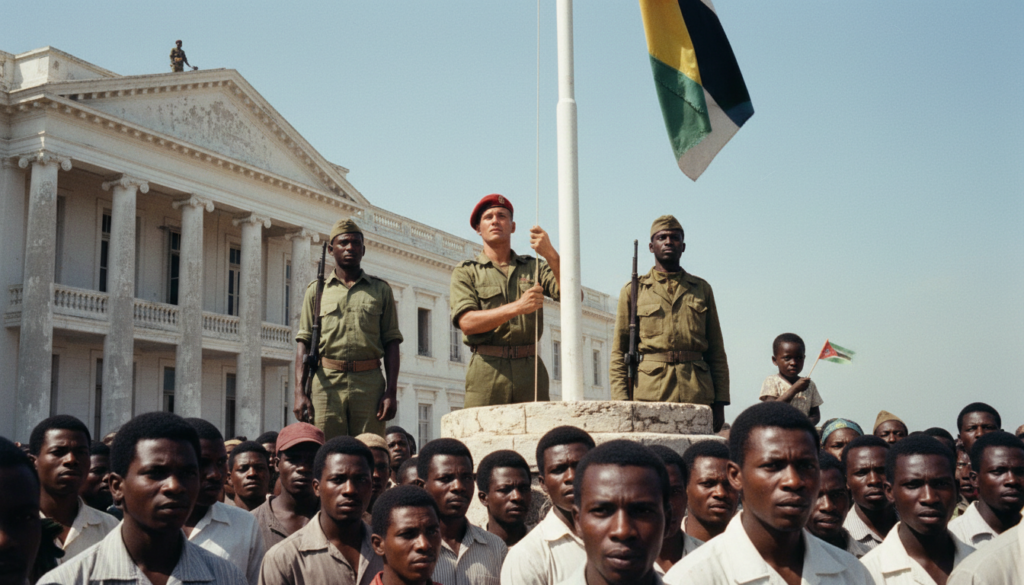
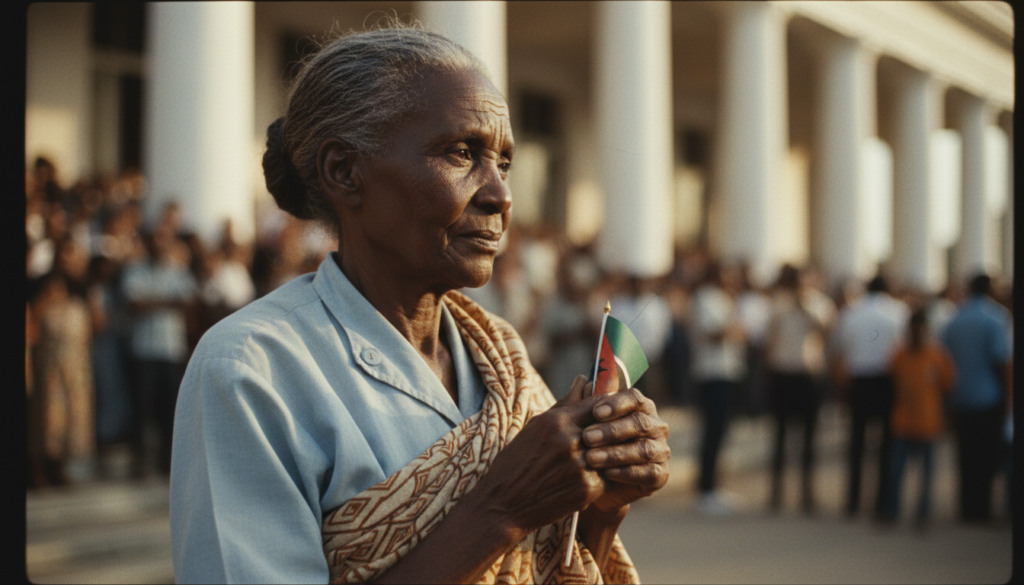
On June 25, 1975, Mozambique formally ended nearly 500 years of Portuguese colonial rule, becoming an independent republic after a prolonged armed struggle led by the Front for the Liberation of Mozambique (FRELIMO). This event mattered because it marked the final collapse of Portugal’s African empire, following the 1974 Carnation Revolution in Lisbon, and it established a Marxist‑Leninist government that would later become embroiled in a devastating civil war. More broadly, Mozambique’s independence was part of the wider decolonization wave sweeping Africa in the 1960s‑70s, challenging Cold War alignments as newly sovereign states navigated between superpower influences.
First Global Satellite Television Broadcast: Our World
First Global Satellite Television Broadcast
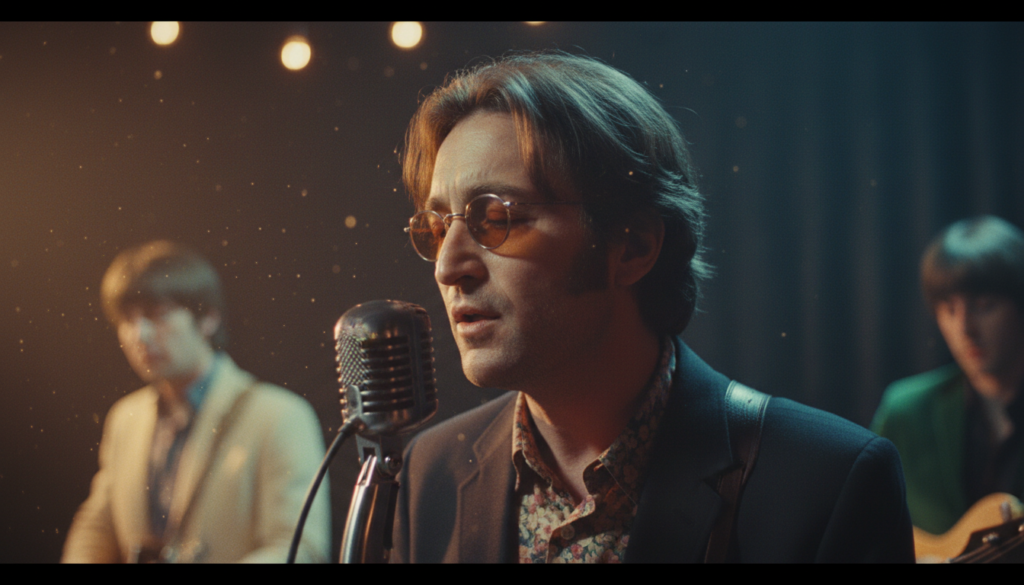
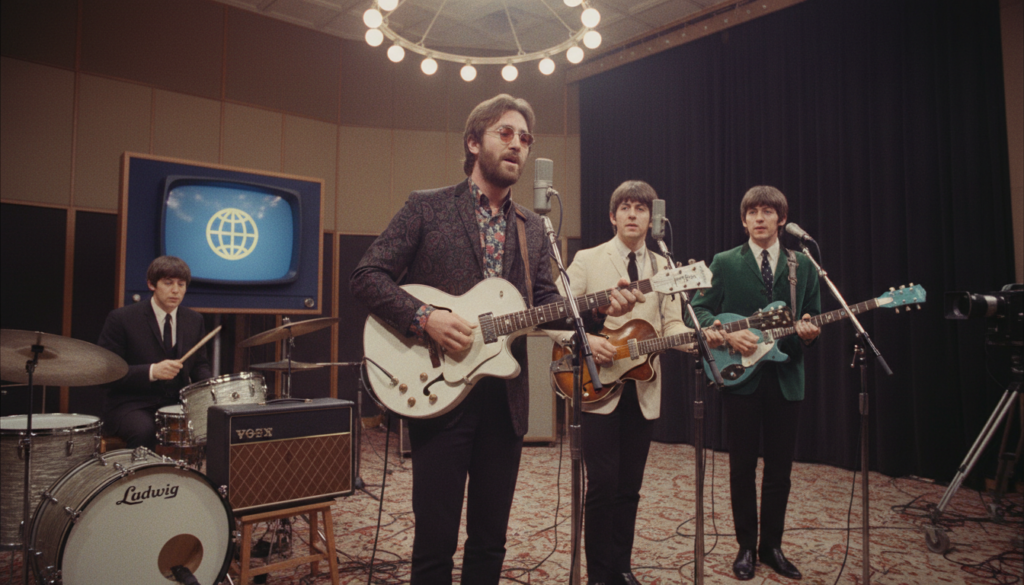
Year: 1967
On June 25, 1967, the live program *Our World* became the first global satellite television broadcast, linking 14 countries via satellite and featuring The Beatles performing "All You Need Is Love" to an estimated 400 million viewers. This event mattered as it demonstrated the power of satellite technology to unite a global audience in real time, presaging the interconnected media landscape of the future. Broader historical context includes the Cold War space race, the development of the Telstar and Early Bird satellites, and the 1960s' emphasis on cross-cultural communication through emerging mass media.