![[e]Photo Stream](/logo.png)
June 27
5 moments across history
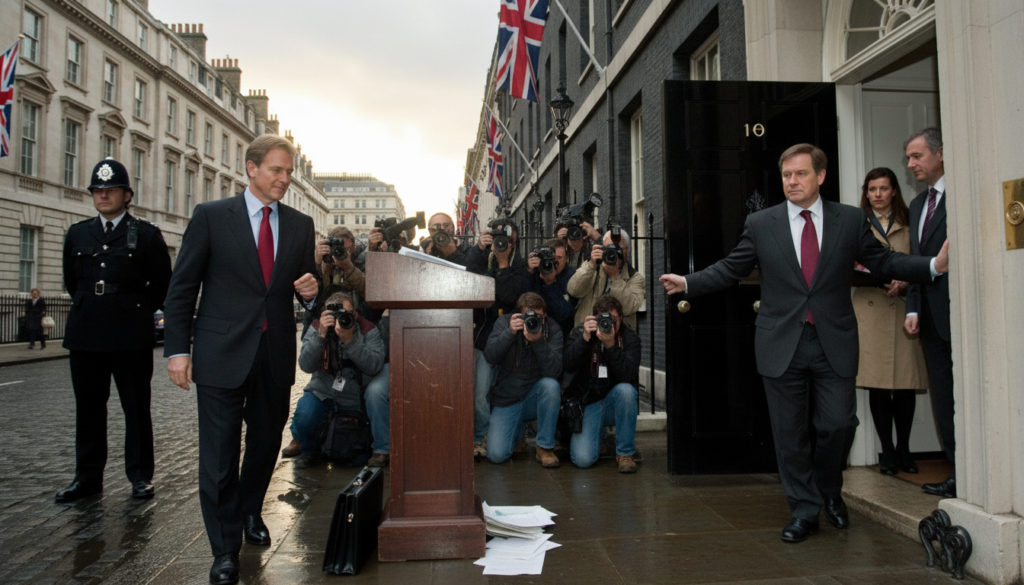
Tony Blair Resigns as Prime Minister of the United Kingdom
On June 27, 2007, Tony Blair resigned as Prime Minister of the United Kingdom after ten years in office, handing power to his Chancellor Gordon Brown. This marked the end of the New Labour era that began with Blair's 1997 landslide victory, defined by domestic reforms and controversial foreign policy, particularly the 2003 Iraq War. His resignation reflected declining public approval and internal party pressures, shaping a pivotal transition in British politics amid growing disillusionment with military interventions and economic shifts.
Event 1
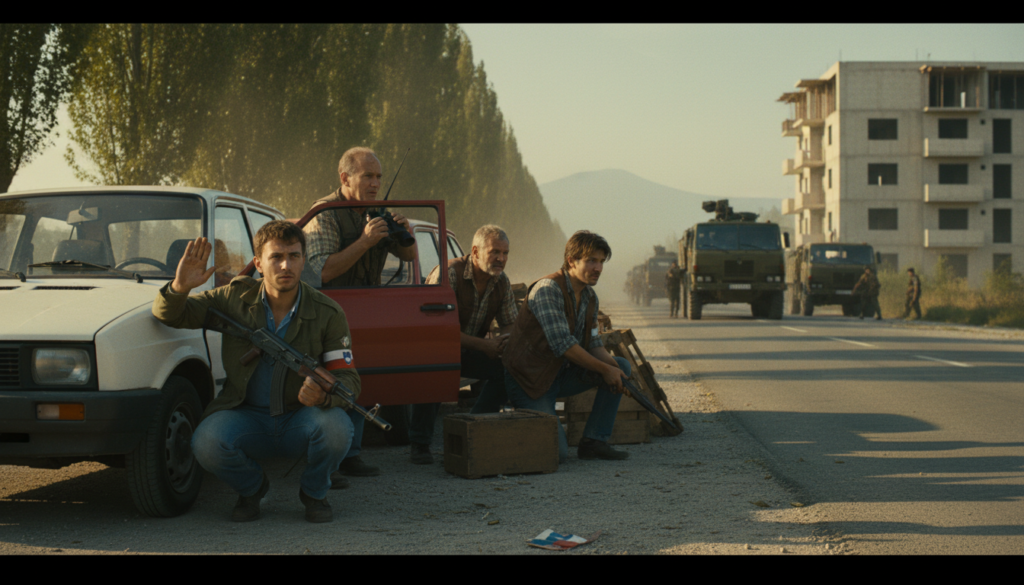
Ten-Day War Begins
Ten-Day War Begins
Year: 1991
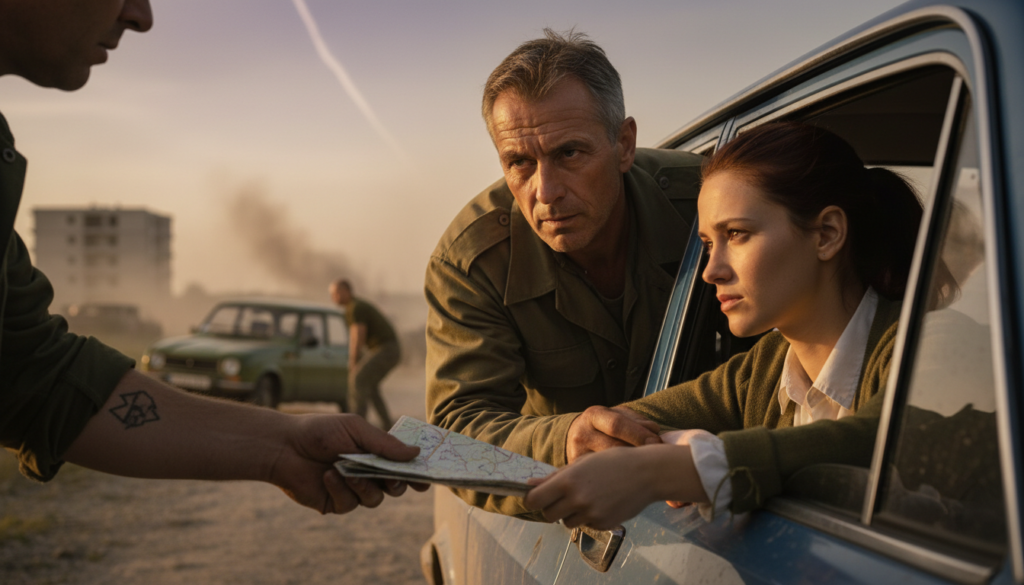
On June 27, 1991, Slovenian forces clashed with the Yugoslav People's Army after Slovenia declared independence, sparking the Ten-Day War. This brief conflict mattered as it marked the first armed rupture of Yugoslavia, triggering a series of devastating wars that dismantled the federation. Broader context: the collapse of communism in Eastern Europe unleashed long-suppressed nationalist tensions, with Slovenia's swift victory setting a precedent for secessionist movements across the region.
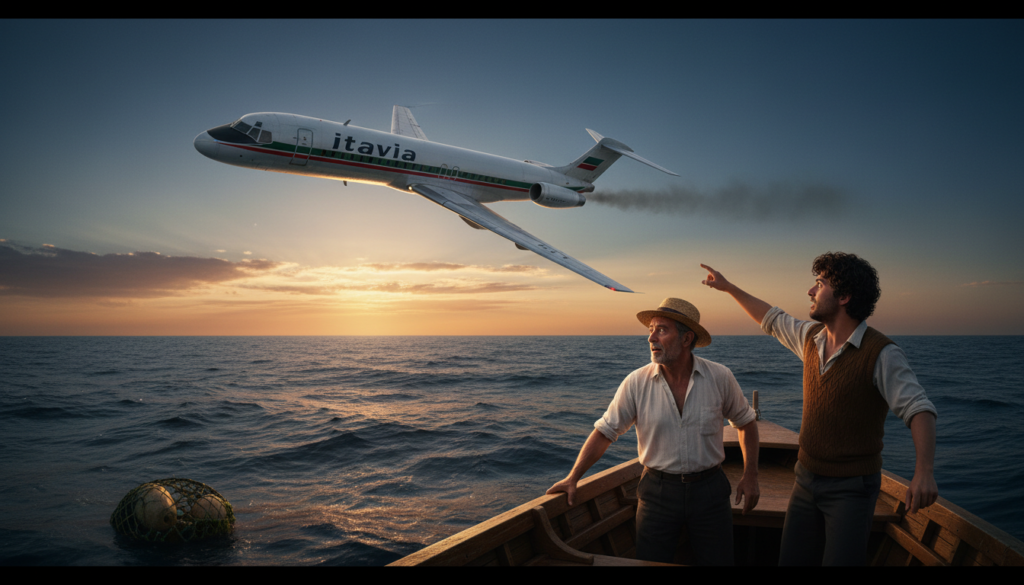
Itavia Flight 870 Crash
Itavia Flight 870 Crash
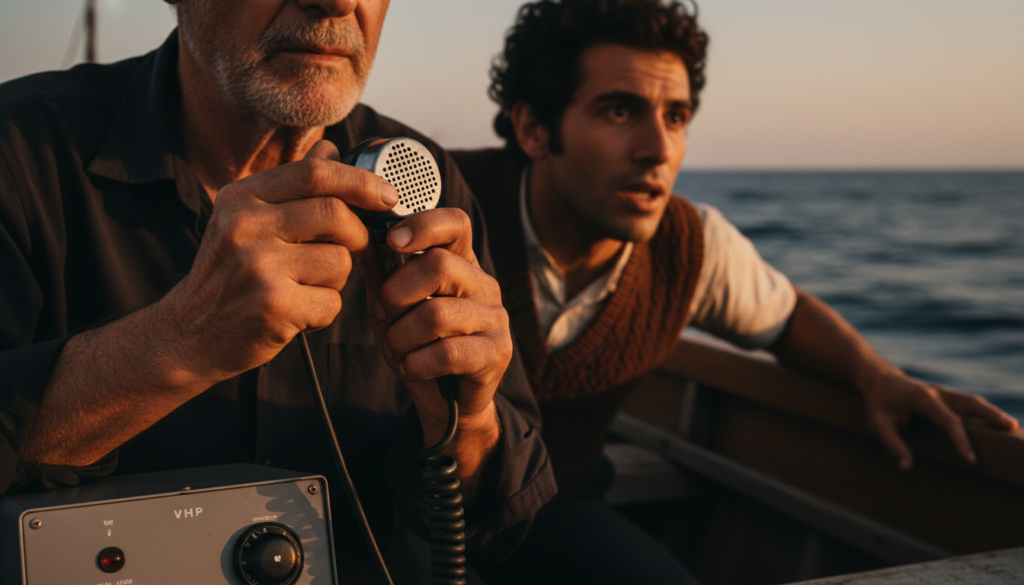
Year: 1980
On June 27, 1980, Aerolinee Itavia Flight 870, a McDonnell Douglas DC-9, crashed into the Tyrrhenian Sea near Italy, killing all 81 people on board. The cause remains disputed, with theories ranging from a bomb or missile strike to mechanical failure, fueling decades of controversy and investigations. This tragedy highlighted Cold War tensions in the Mediterranean, as suspicions involved NATO or Libyan involvement, and contributed to ongoing debates about aviation safety and state secrecy in Italy.
Hijacking of Air France Flight 139
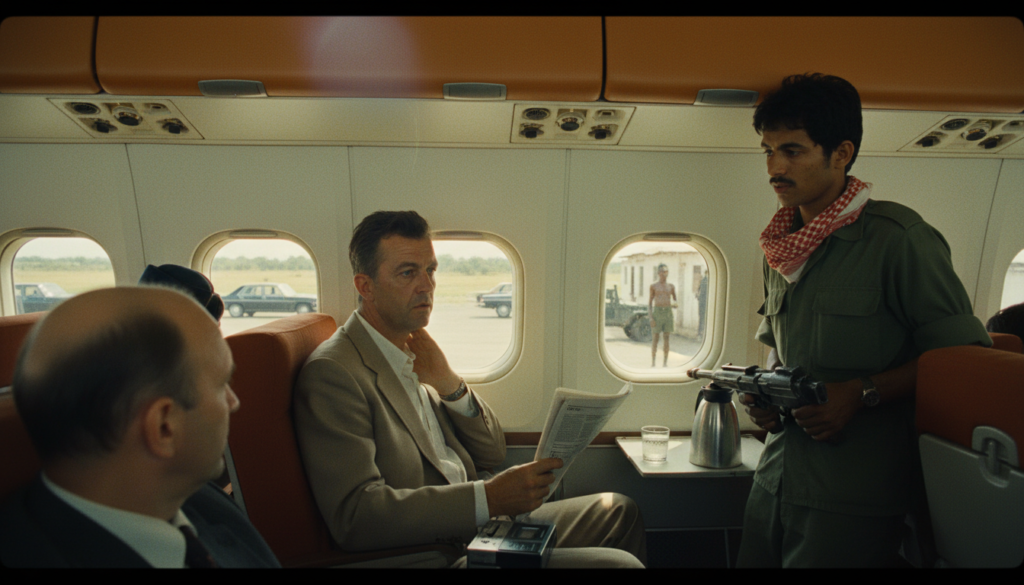
Hijacking of Air France Flight 139
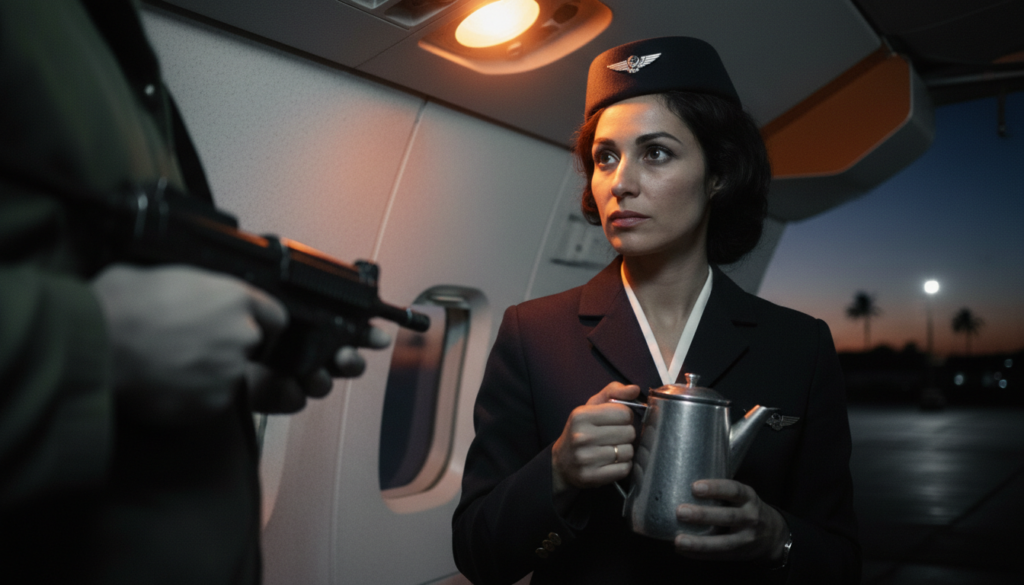
Year: 1976
On June 27, 1976, Air France Flight 139 from Tel Aviv to Paris was hijacked by members of the Popular Front for the Liberation of Palestine and German Revolutionäre Zellen, who diverted it to Entebbe, Uganda, holding 248 passengers and crew hostage. The crisis mattered because it culminated in the Israeli-led Operation Thunderbolt (the Entebbe raid) on July 4, which rescued most hostages but killed three and highlighted the growing threat of international terrorism and state-sponsored hijackings. The event occurred amid the Cold War and the Israeli–Palestinian conflict, reflecting the era's blend of nationalist militant groups, transnational terrorism, and complex geopolitical alliances.
First ATM Installed at Barclays Bank in Enfield

First ATM Installed at Barclays Bank in Enfield

Year: 1967
On June 27, 1967, the world's first automated teller machine (ATM) was installed at a Barclays Bank branch in Enfield, London, enabling customers to withdraw cash using special paper vouchers. This innovation revolutionized banking by providing round-the-clock access to funds, reducing reliance on teller hours and bank branches. It emerged during a postwar period of rapid technological advancement, paving the way for modern self-service banking and electronic financial transactions.