![[e]Photo Stream](/logo.png)

June 13
5 moments across history
First Inter-Korean Summit Begins
The first inter-Korean summit began on June 13, 2000, when South Korean President Kim Dae-jung met North Korean leader Kim Jong-il in Pyongyang, marking the first ever meeting of the two countries' heads of state. This summit mattered because it led to the June 15th North–South Joint Declaration, which pledged mutual reconciliation, economic cooperation, and family reunions, temporarily easing decades of hostility since the 1950–1953 Korean War. Historically, it was a breakthrough in Cold War-era division, enabled by Kim Dae-jung's "Sunshine Policy" of engagement, though subsequent tensions would later undermine its achievements.
First Inter-Korean Summit Begins
Pentagon Papers Published by The New York Times

Pentagon Papers Published by The New York Times

Year: 1971
On June 13, 1971, *The New York Times* began publishing the Pentagon Papers, a classified Defense Department study detailing U.S. political and military decision-making in the Vietnam War, leaked by analyst Daniel Ellsberg. This matter heightened public distrust of government because it revealed systematic deception by multiple administrations about the war’s scope and prospects. The event’s broader historical context lies in escalating anti-war sentiment, leading to a landmark Supreme Court case that upheld press freedom against prior restraint.
Miranda v. Arizona Decision
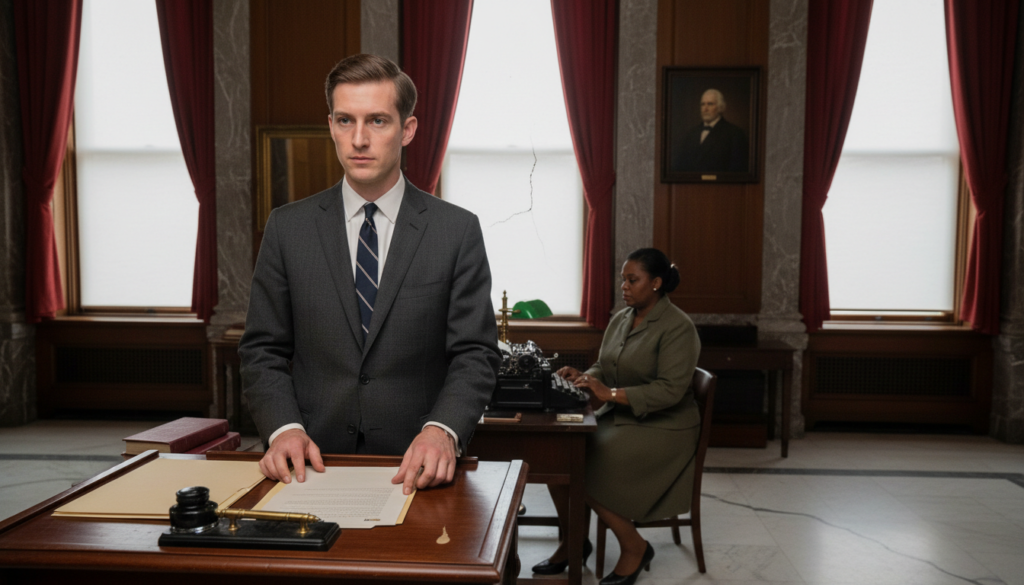
Miranda v. Arizona Decision

Year: 1966
On June 13, 1966, the U.S. Supreme Court issued its ruling in Miranda v. Arizona, establishing that police must inform suspects of their Fifth Amendment right against self-incrimination and Sixth Amendment right to counsel before custodial interrogation. This decision created the now-familiar "Miranda warnings," fundamentally altering police procedures and criminal justice to protect individuals from coercive interrogations. The ruling emerged amid the Warren Court's broader expansion of civil rights and criminal procedure reforms during the 1960s, reflecting heightened concerns about unequal access to legal representation and police misconduct.
First V-1 Flying Bomb Attacks on London
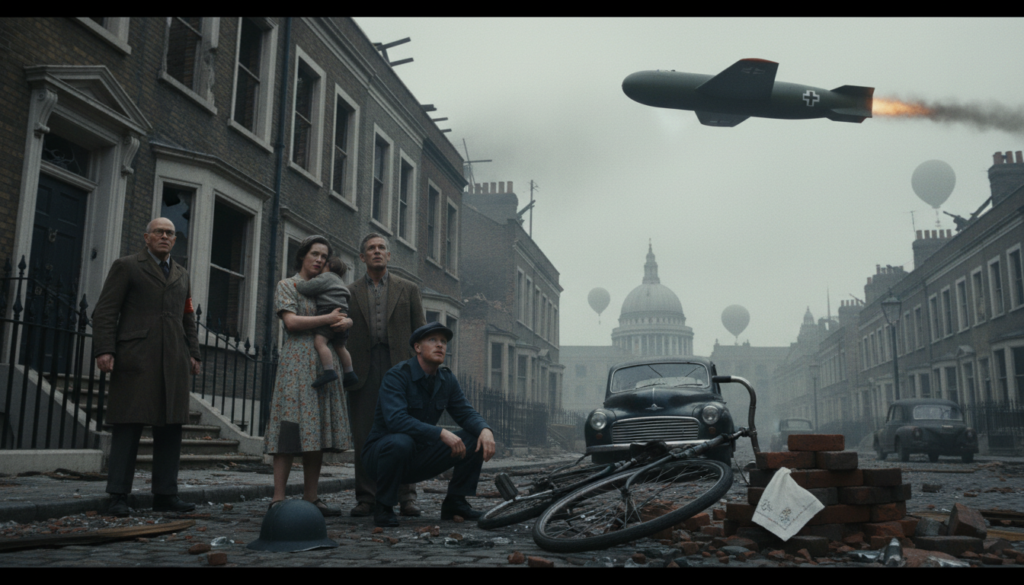
First V-1 Flying Bomb Attacks on London

Year: 1944
On June 13, 1944, Nazi Germany launched the first V-1 flying bombs—early cruise missiles—against London, killing six people. This attack marked the beginning of a new phase in aerial warfare, introducing long-range, unmanned weapons that terrorized civilians and posed a difficult defensive challenge. The V-1 campaign occurred as Allied forces were landing in Normandy (D-Day just days earlier), reflecting Germany's desperation to disrupt the invasion and retaliate for Allied bombing.
James Braddock wins heavyweight title
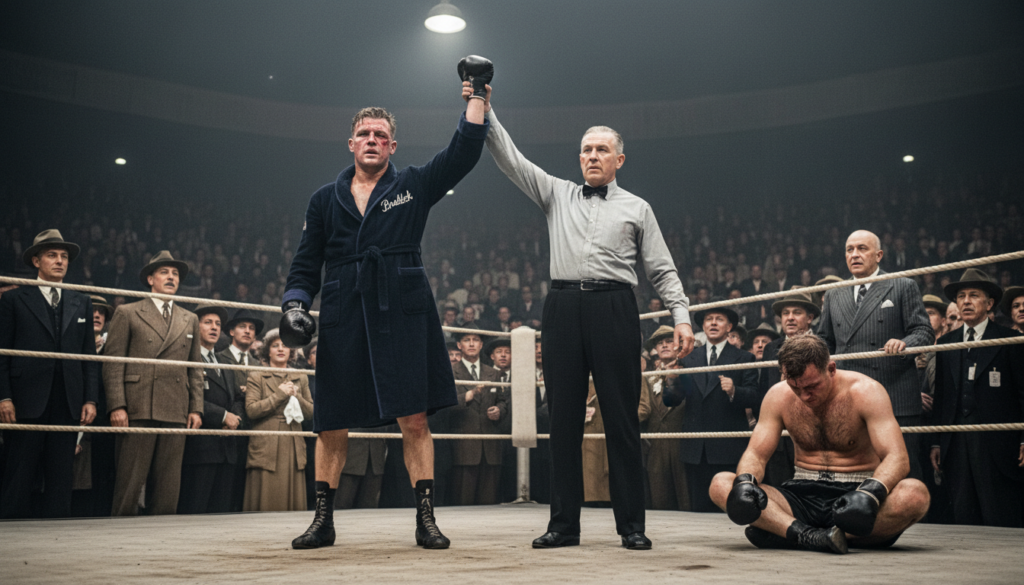
James Braddock wins heavyweight title
Year: 1935
On June 13, 1935, James Braddock upset Max Baer to win the world heavyweight boxing title, a victory that stunned the sports world because Baer was heavily favored and Braddock had been a struggling fighter during the Great Depression. The win mattered as a symbol of resilience and hope, with Braddock’s rags-to-riches story earning him the nickname “Cinderella Man” and inspiring many Americans facing economic hardship. Historically, the fight took place during the depth of the Depression, when boxing provided a popular and inexpensive escape, and Braddock’s triumph resonated as a rare uplifting narrative in a time of widespread joblessness and uncertainty.