![[e]Photo Stream](/logo.png)

June 23
5 moments across history
UK EU Membership Referendum (Brexit)
On June 23, 2016, the United Kingdom held a nationwide referendum on whether to remain in or leave the European Union, resulting in 51.9% of voters choosing to leave. This decision, known as Brexit, triggered a prolonged period of political and economic uncertainty, including the resignation of Prime Minister David Cameron and years of complex negotiations over the UK’s withdrawal terms. Historically, the vote reflected long-standing Euroscepticism in Britain and growing concerns over sovereignty and immigration, marking the first time a member state had voted to exit the EU and reshaping the bloc’s future trajectory.
UK EU Membership Referendum (Brexit)
Title IX of the Education Amendments Signed Into Law
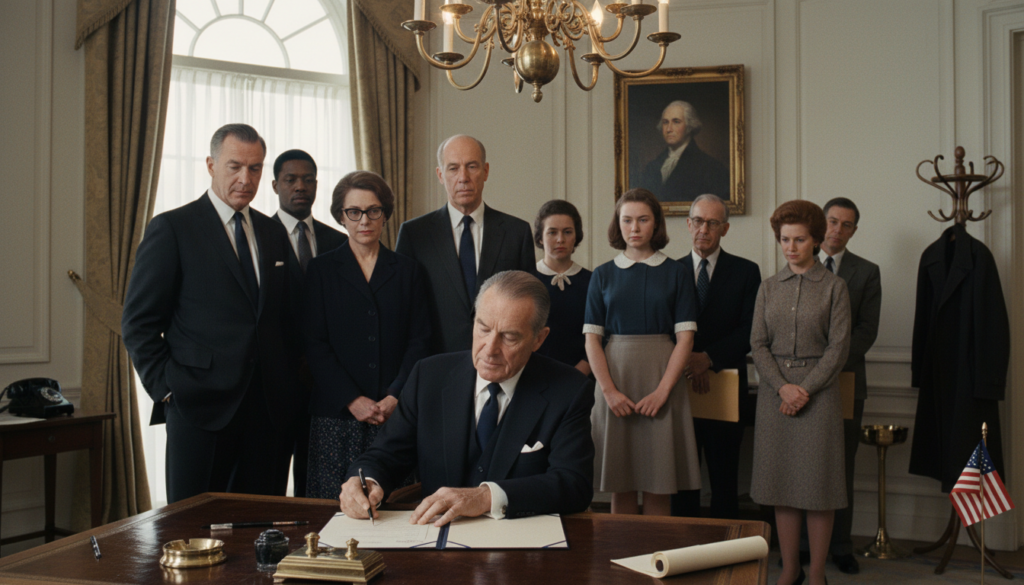
Event 2
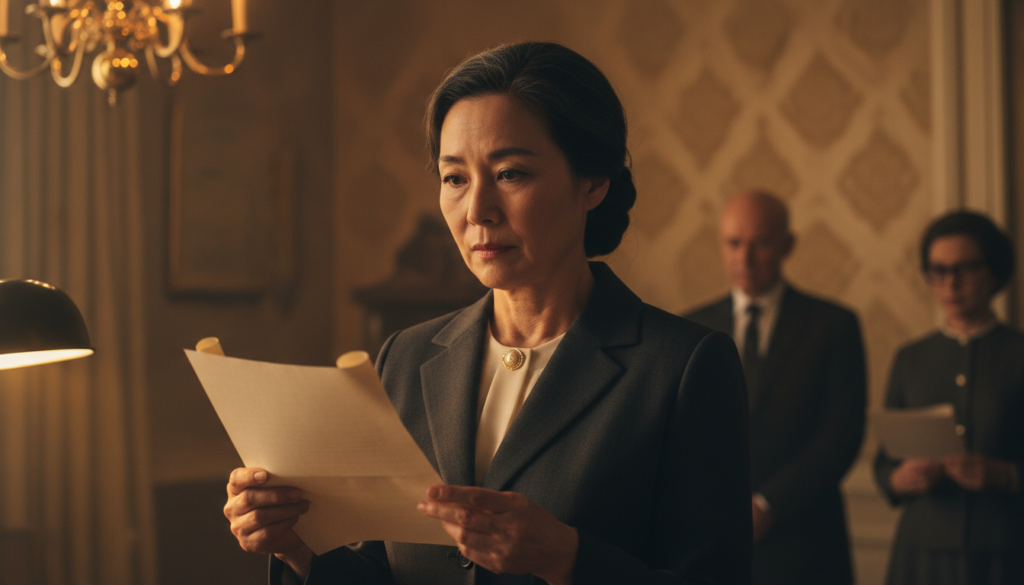
Year: 1972
On June 23, 1972, President Richard Nixon signed Title IX of the Education Amendments into law, prohibiting sex-based discrimination in any federally funded education program or activity. This landmark legislation expanded educational and athletic opportunities for women and girls, fundamentally reshaping gender equity in U.S. schools and universities. Broader historical context includes the women’s rights movement of the 1960s and 1970s, which pushed for legal protections against gender discrimination following earlier civil rights legislation like Title VII of the Civil Rights Act of 1964.
Antarctic Treaty Enters Into Force
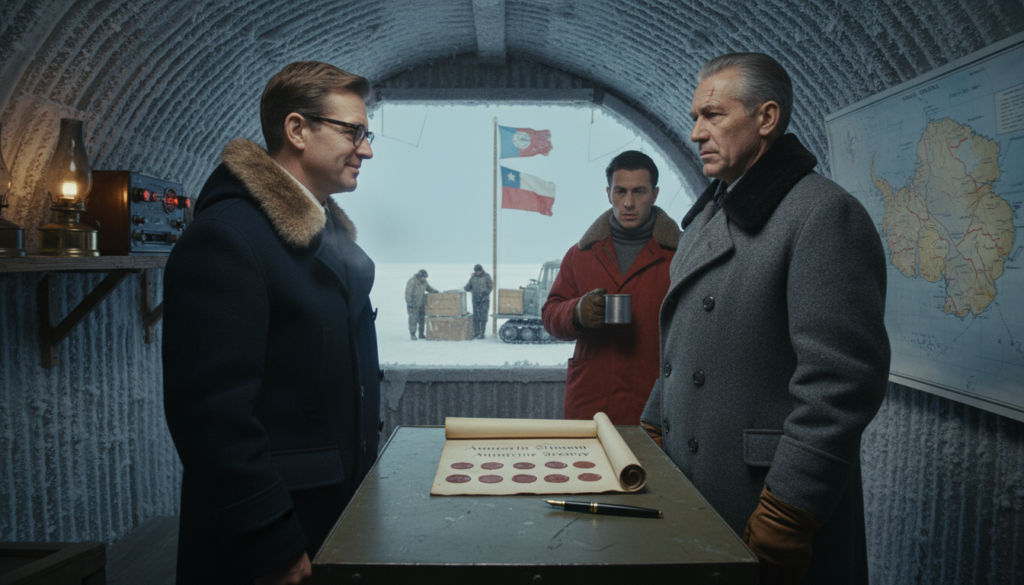
Antarctic Treaty Enters Into Force

Year: 1961
On June 23, 1961, the Antarctic Treaty entered into force, designating Antarctica as a scientific preserve and prohibiting military activity, nuclear tests, and waste disposal there. This mattered because it established the first arms control agreement of the Cold War era, demonstrating that rival nations could cooperate on shared scientific and environmental goals despite geopolitical tensions. Broader historical context includes the International Geophysical Year (1957–58), which fostered scientific collaboration in Antarctica and directly led to the treaty’s negotiation among 12 nations, including the U.S. and Soviet Union.
Lithuanian Activist Front Proclaims Restoration of Independence (1941)

Lithuanian Activist Front Proclaims Restoration of Independence (1941)

Year: 1941
On June 23, 1941, as Nazi Germany’s Operation Barbarossa advanced into Soviet territory, the Lithuanian Activist Front proclaimed the restoration of an independent Lithuanian state. This declaration briefly revived the interwar republic that had been occupied by the USSR in 1940, but it was quickly exploited by the German occupation authorities and never gained international recognition during World War II. The event illustrates how Baltic nationalist aspirations intersected with the larger conflict between Nazi Germany and the Soviet Union, ultimately resulting in renewed Soviet control after the war.
Founding of the International Olympic Committee
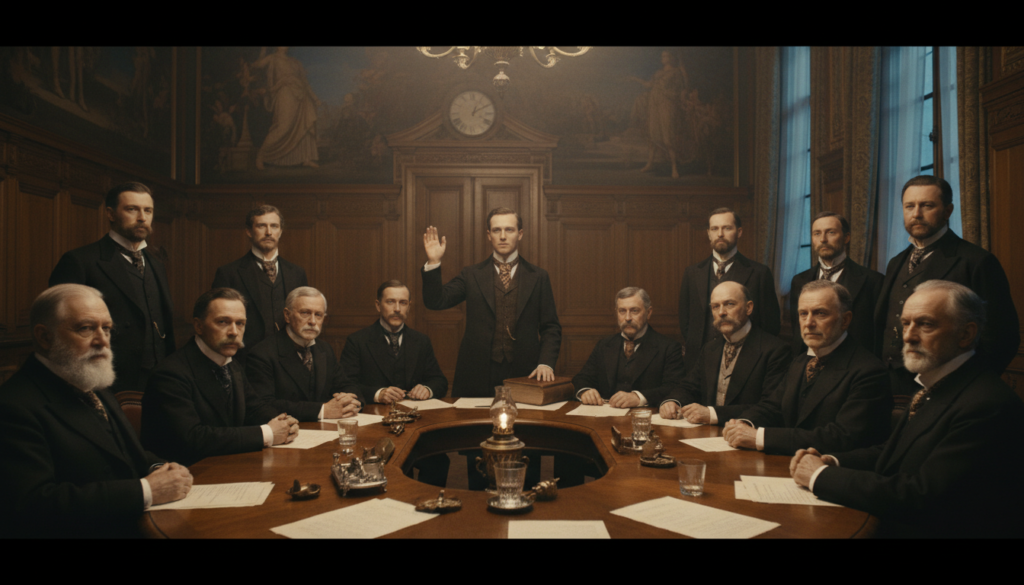
Founding of the International Olympic Committee

Year: 1894
On June 23, 1894, Pierre de Coubertin convened the first International Olympic Committee in Paris, formalizing the revival of the ancient Greek Olympic Games as a modern international sporting competition. This founding established a permanent governing body to organize the first modern Olympics in Athens in 1896, promoting international peace and amateur athletics during an era of rising nationalism and colonial competition. The committee’s creation ultimately led to the enduring global quadrennial Games, uniting nations through sport and shaping modern athletic culture.