![[e]Photo Stream](/logo.png)

June 9
5 moments across history
Duccio's Maestà Unveiled in Siena Cathedral
Duccio di Buoninsegna's Maestà was unveiled on June 9, 1311, in Siena Cathedral. This double-sided altarpiece, featuring the Madonna and Child enthroned and surrounded by saints and angels on the front, and scenes from the life of Christ and the Virgin on the back, represented a revolutionary departure from the rigid Byzantine style. Duccio's use of color, emotional expression, and spatial composition laid the groundwork for the Italian Renaissance.
1311: Duccio's Maestà is unveiled and installed in Siena Cathedral.
Jacques Cartier Maps the Saint Lawrence River
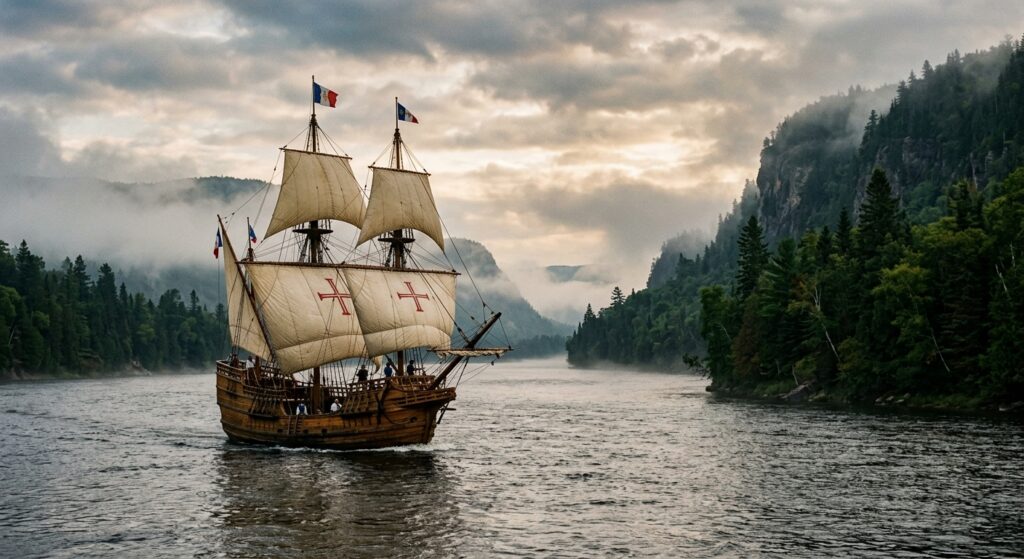
1534: Jacques Cartier becomes the first European to describe and map the Saint Lawrence River.
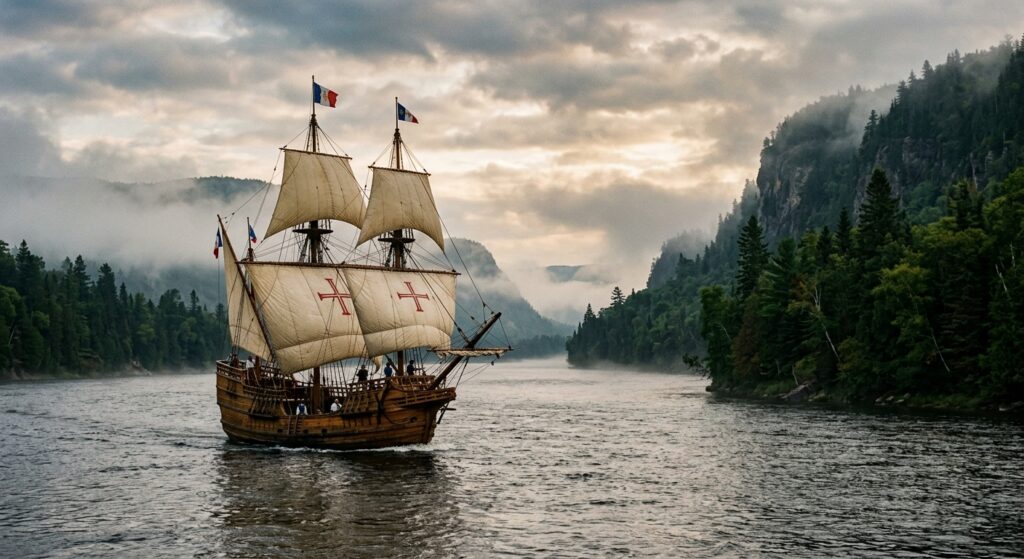
A pivotal moment in the exploration of North America that opened new frontiers for European expansion.
On June 9, 1534, French explorer Jacques Cartier became the first European to describe and map the Saint Lawrence River during his first voyage to the New World. Commissioned by King Francis I, Cartier's exploration established France's presence in North America and laid the foundation for future French colonization of Canada. His detailed charts and observations provided Europeans with their first comprehensive understanding of this vital waterway.
Congress of Vienna Concludes

1815: The Congress of Vienna concludes after months of negotiations among European powers.
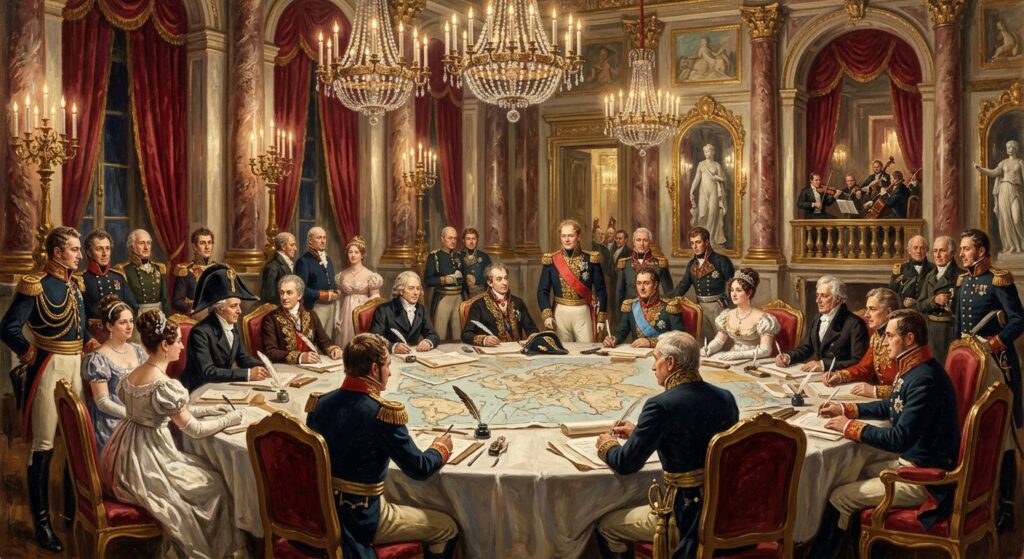
A landmark diplomatic event that reshaped Europe after the Napoleonic Wars.
The Congress of Vienna concluded on June 9, 1815, after months of negotiations among the major European powers. Convened to reorganize Europe following the defeat of Napoleon, the Congress redrew national boundaries, established a balance of power, and created the Concert of Europe — a framework for international diplomacy that helped maintain peace on the continent for nearly a century.
Battle of Brandy Station

1863: The Battle of Brandy Station, the largest cavalry battle on American soil, is fought in Virginia.
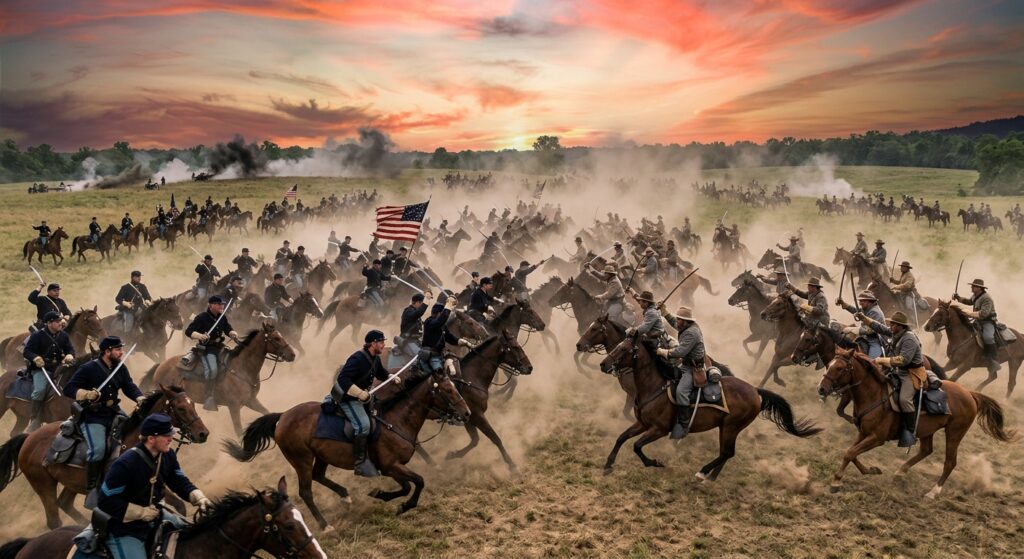
A pivotal Civil War engagement that ended Confederate cavalry superiority in the East.
On June 9, 1863, the Battle of Brandy Station was fought near Culpeper, Virginia — the largest cavalry battle ever fought on American soil. Over 20,000 mounted troopers clashed in an epic engagement that ended Confederate cavalry dominance in the eastern theater. Although the Confederates ultimately held the field, the battle demonstrated the growing effectiveness of Union cavalry under General Alfred Pleasonton.
First Trans-Pacific Flight Completed

1928: Charles Kingsford Smith completes the first trans-Pacific flight in a Fokker Trimotor monoplane.
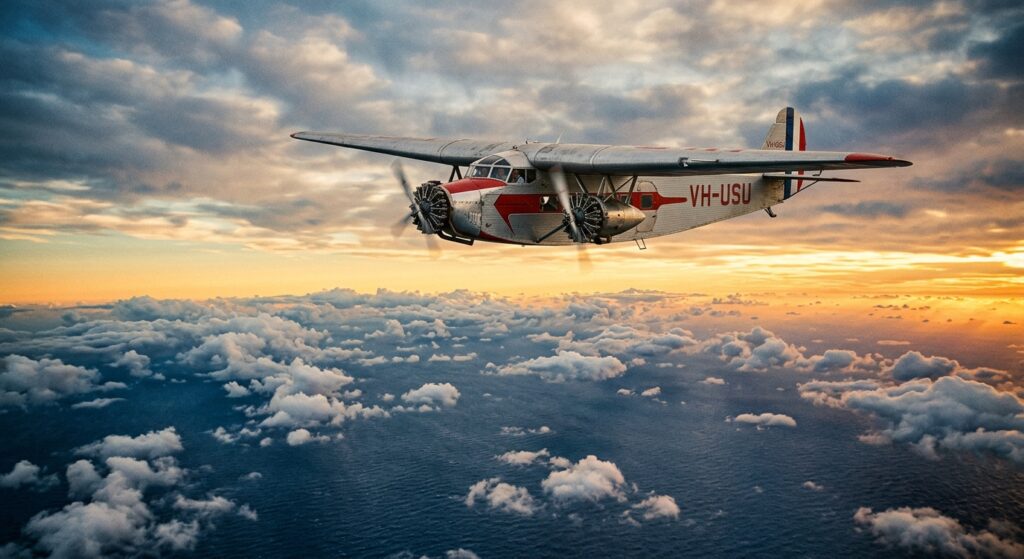
A historic aviation milestone that connected continents by air for the first time.
On June 9, 1928, Australian aviator Charles Kingsford Smith and his crew completed the first trans-Pacific flight, landing in Brisbane, Australia, after departing from Oakland, California. Flying in a Fokker F.VIIb/3m monoplane named the Southern Cross, the epic journey took approximately 83 hours of flying time across three legs. This remarkable achievement demonstrated the viability of long-distance air travel and cemented Kingsford Smith's place in aviation history.