![[e]Photo Stream](/logo.png)

June 12
5 moments across history
Trump-Kim Summit
On June 12, 2018, U.S. President Donald Trump and North Korean leader Kim Jong-un met in Singapore for a historic summit, marking the first time a sitting U.S. president had met with a North Korean leader. The meeting was significant as it aimed to address tensions over North Korea's nuclear program and marked a shift towards diplomacy after years of escalating rhetoric and sanctions. The summit took place amidst a backdrop of rising global concerns about North Korea's nuclear ambitions, which had led to increased tensions with the international community in the preceding years.
Event 1
Pulse Nightclub Mass Shooting
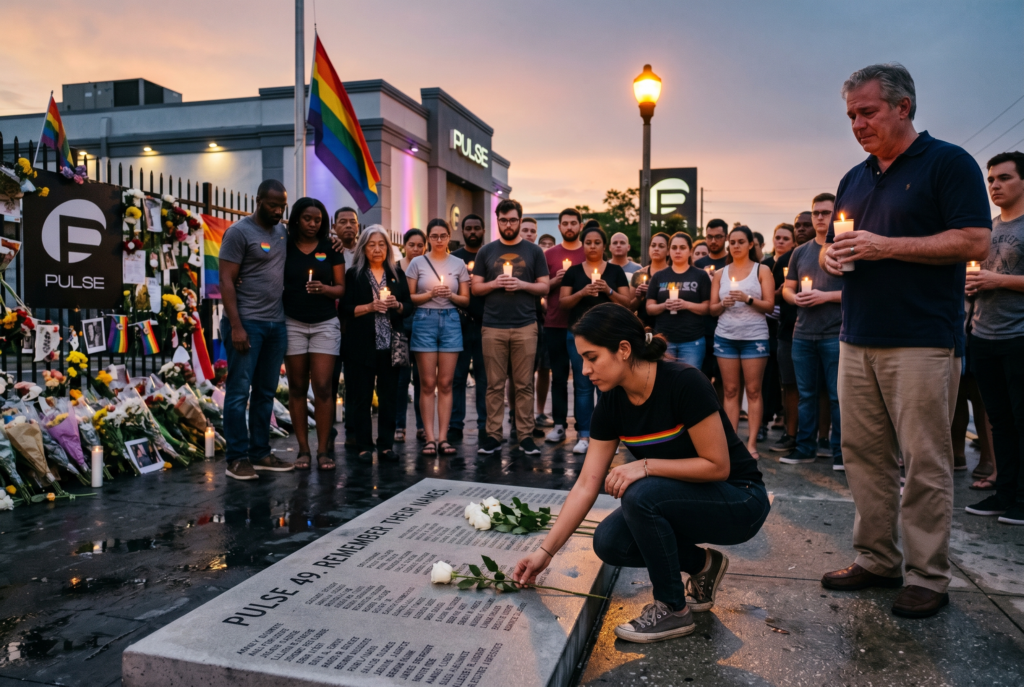
Pulse Nightclub Mass Shooting
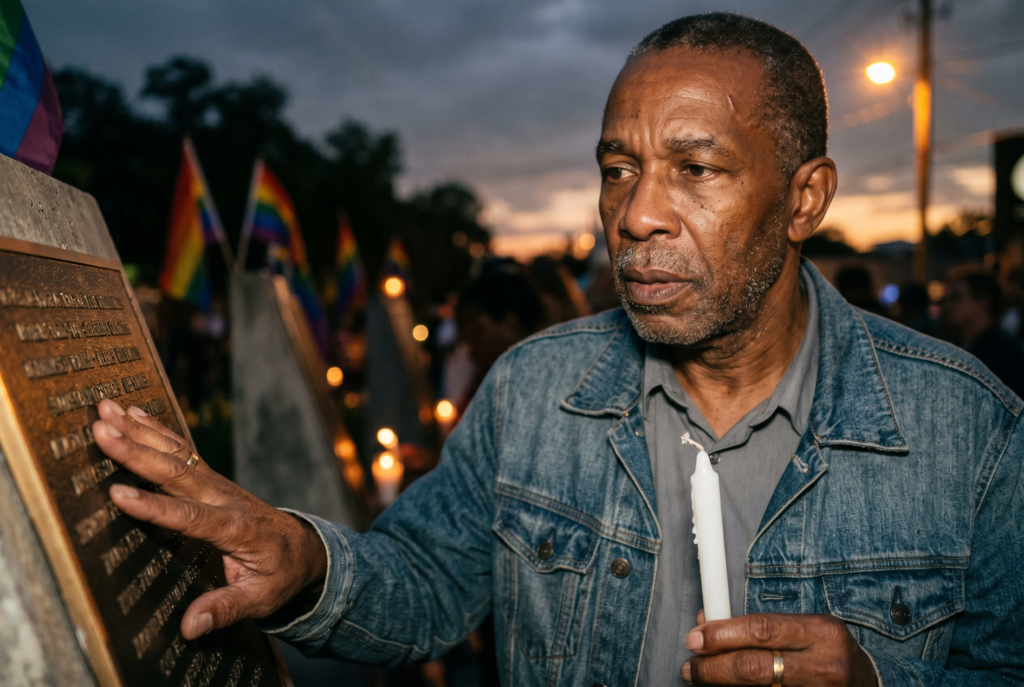
Year: 2016
On June 12, 2016, a gunman opened fire at Pulse, a gay nightclub in Orlando, Florida, killing 49 people and wounding 53 others in what was then the deadliest mass shooting in U.S. history. The attack, carried out during a Latin-themed night and targeting the LGBTQ+ community, was later claimed by the Islamic State, highlighting the intersection of domestic gun violence, terrorism, and homophobia. This event sparked widespread debates over gun control, LGBTQ+ rights, and national security, while also galvanizing global solidarity through vigils and the "Orlando United" movement.
Reno v. ACLU: Supreme Court Upholds Internet Free Speech

Reno v. ACLU

Year: 1997
On June 12, 1997, the U.S. Supreme Court struck down the Communications Decency Act of 1996, ruling in *Reno v. ACLU* that its provisions criminalizing "indecent" online speech violated the First Amendment. This decision was pivotal because it established that the internet deserves the highest level of free speech protection, treating it like print media rather than broadcast television. Historically, the ruling set a foundational precedent for online expression, affirming that government attempts to regulate internet content must meet strict scrutiny to avoid censorship.
Loving v. Virginia: Supreme Court Legalizes Interracial Marriage

Loving v. Virginia

Year: 1967
On June 12, 1967, the U.S. Supreme Court delivered its unanimous decision in Loving v. Virginia, striking down state laws that prohibited interracial marriage. Richard Loving, a white man, and Mildred Jeter, a Black woman, had been convicted in Virginia for their marriage and sentenced to a year in prison unless they left the state. The Supreme Court ruled that such laws violated the Equal Protection and Due Process Clauses of the Fourteenth Amendment, declaring marriage a fundamental civil right. The decision invalidated anti-miscegenation statutes in sixteen states and became a cornerstone for later civil rights and marriage equality rulings.
Reagan's "Tear Down This Wall" Speech in Berlin
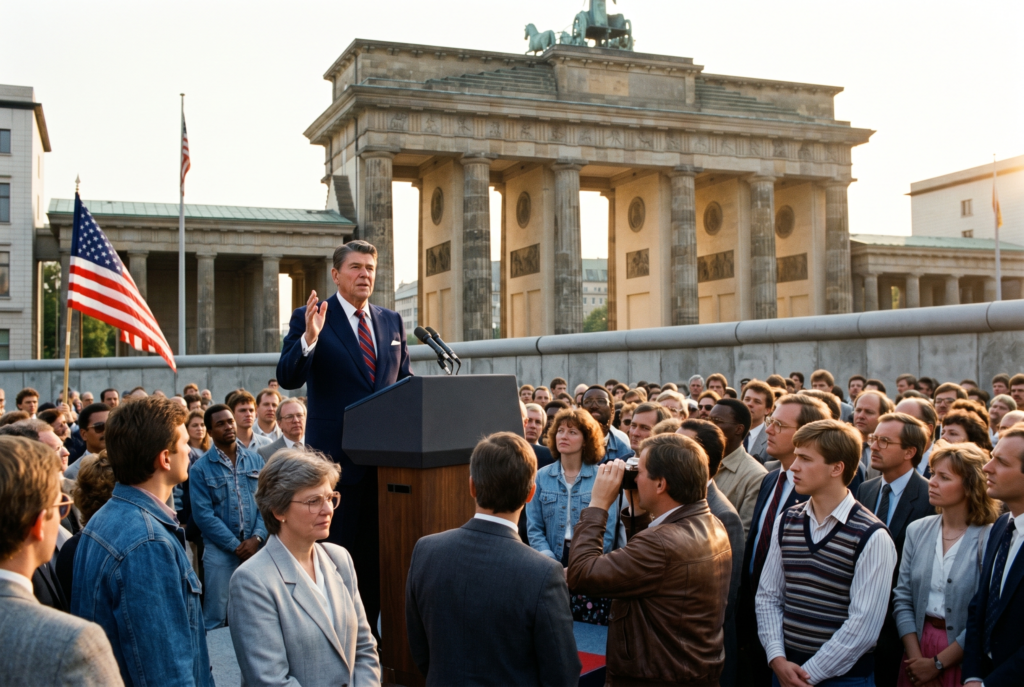
Reagan's "Tear Down This Wall" Speech

Year: 1987
On June 12, 1987, U.S. President Ronald Reagan stood before the Brandenburg Gate in West Berlin and delivered one of the most iconic speeches of the Cold War. Directly addressing Soviet leader Mikhail Gorbachev, Reagan declared, "Mr. Gorbachev, tear down this wall!" The speech was delivered in a moment of heightened East-West tension, and its challenge to Soviet authority was seen by some as provocative. However, the address also emphasized cooperation, with Reagan acknowledging Gorbachev's reforms and calling for genuine reconciliation. The Berlin Wall fell in November 1989, and the speech remains a symbol of American commitment to freedom and the eventual reunification of Germany.