![[e]Photo Stream](/logo.png)
June 2
5 moments across history
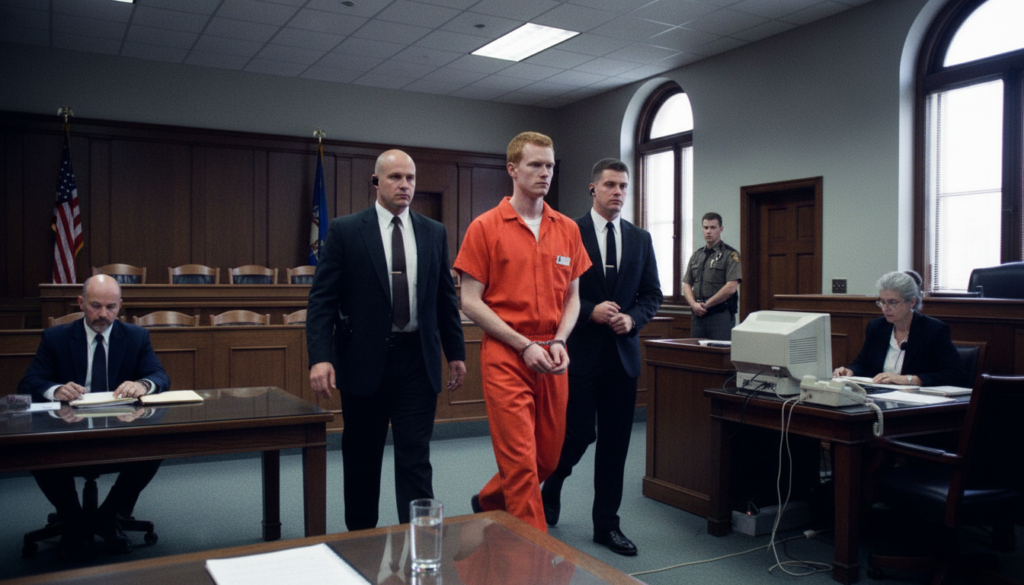
Timothy McVeigh Convicted for Oklahoma City Bombing
On June 2, 1997, a federal jury convicted Timothy McVeigh of using a truck bomb to destroy the Alfred P. Murrah Federal Building in Oklahoma City on April 19, 1995, killing 168 people and injuring hundreds. The conviction mattered because it marked a definitive legal response to the deadliest act of domestic terrorism in U.S. history at the time, reinforcing the government’s capacity to prosecute anti-government extremism. This event occurred against a backdrop of rising militia movements and anger over the 1993 Waco siege and Ruby Ridge, which McVeigh cited as motivations for his attack.
Timothy McVeigh Convicted for Oklahoma City Bombing
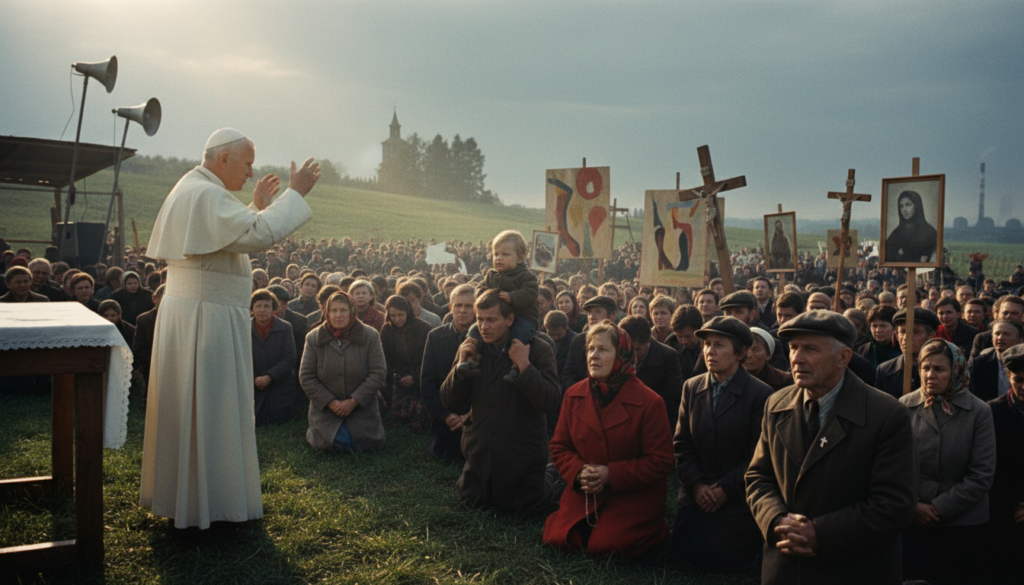
Pope John Paul II’s First Pilgrimage to Poland
Event 2

Year: 1979
In June 1979, Pope John Paul II made his first pilgrimage to his native Poland, a country under Soviet-backed communist rule, drawing massive crowds. His public Masses and speeches encouraged national unity and spiritual resistance, emboldening Poles to challenge the regime's authority. This visit helped galvanize the Solidarity movement, which emerged the following year as a major force for democratic change in Eastern Europe.
Surveyor 1 Lands on the Moon

Surveyor 1 Lands on the Moon
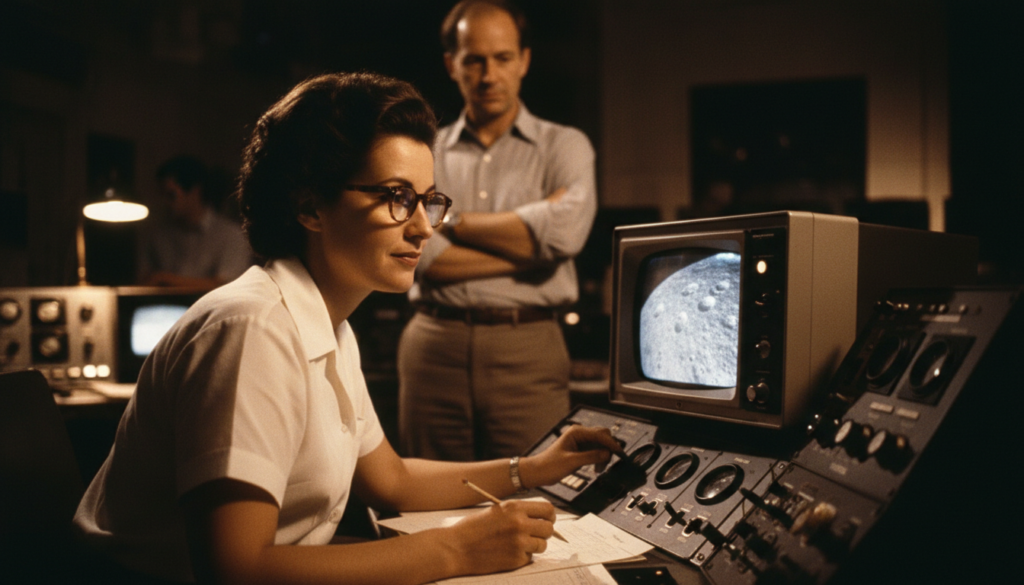
Year: 1966
On June 2, 1966, NASA's Surveyor 1 successfully executed a soft landing on the Moon's Oceanus Procellarum, transmitting over 11,000 photographs and engineering data back to Earth. This achievement marked the first American spacecraft to land softly on the lunar surface, proving that controlled touchdowns were feasible and providing critical data for future Apollo missions. The landing came during the Cold War space race, following the Soviet Union's earlier Luna 9 soft landing in February 1966, and helped restore U.S. confidence in its lunar exploration capabilities.
Coronation of Queen Elizabeth II
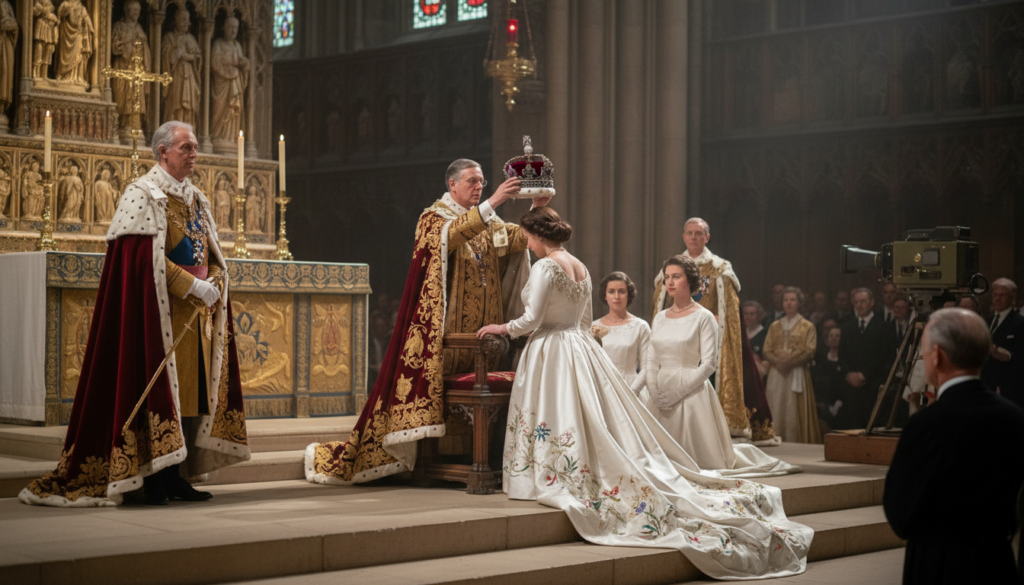
Coronation of Queen Elizabeth II
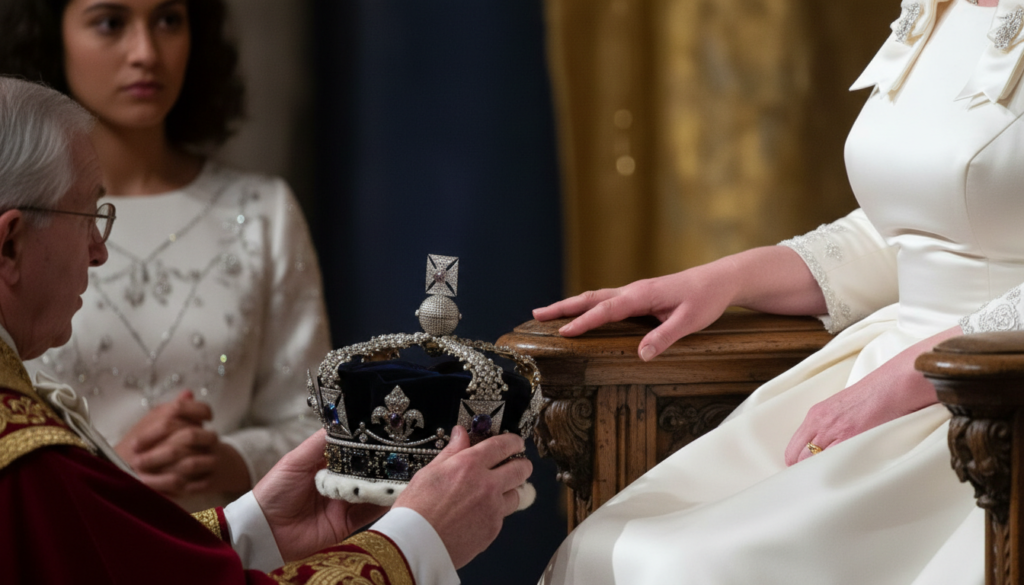
Year: 1953
On June 2, 1953, Queen Elizabeth II was formally crowned at Westminster Abbey, succeeding her father King George VI, in a ceremony broadcast live on television for the first time. This event marked the official start of her reign over the United Kingdom and the Commonwealth realms, symbolizing continuity and national unity in the post-war era. Historically, it occurred during the early Cold War and the decline of the British Empire, with the coronation reinforcing the monarchy’s role as a stabilizing institution amid global change.
Establishment of the Italian Republic
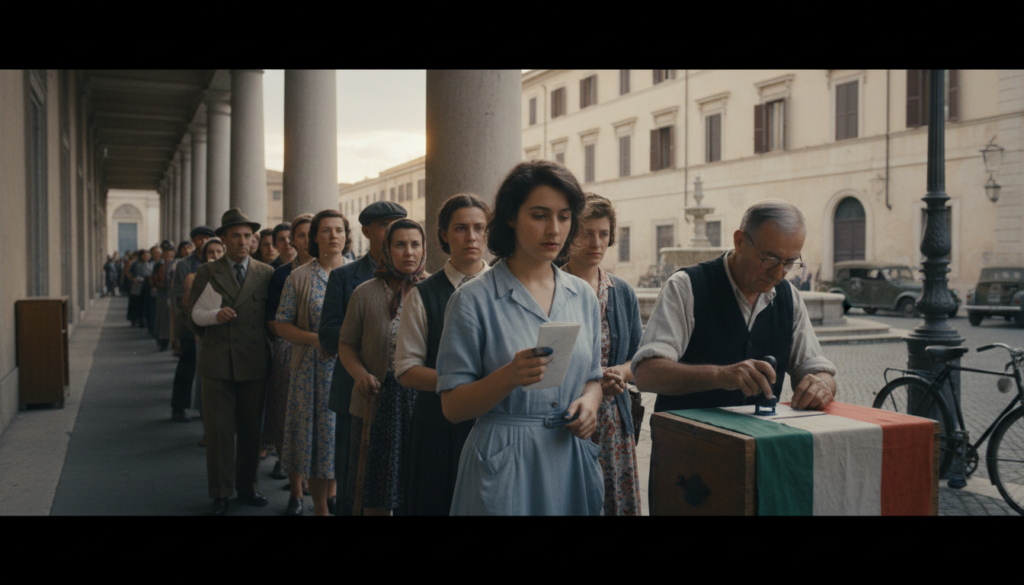
Establishment of the Italian Republic
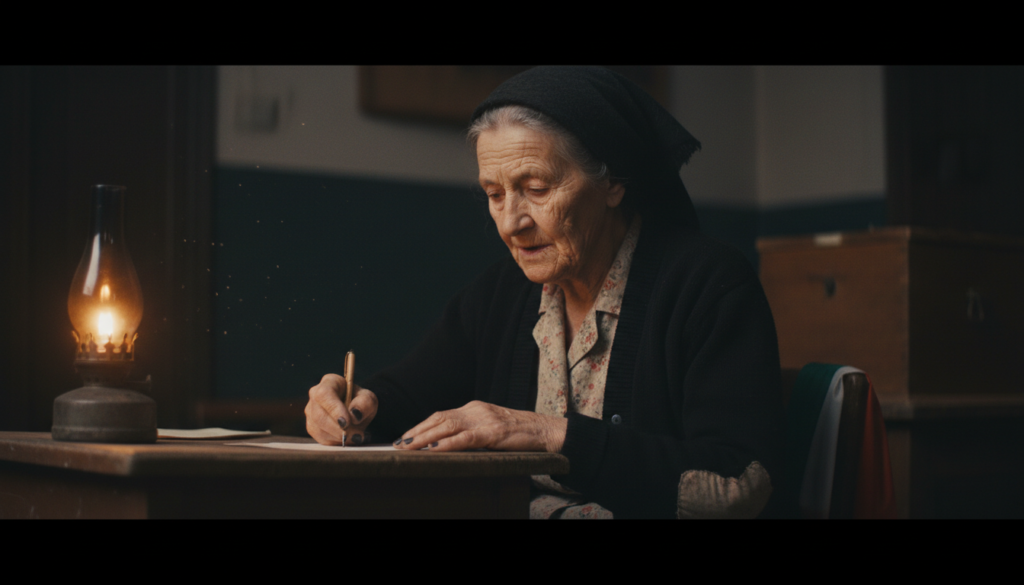
Year: 1946
On June 2, 1946, Italians voted in an institutional referendum to abolish the monarchy, formally establishing the Italian Republic and ending the reign of the House of Savoy. This transition marked a definitive break from the fascist era and World War II, as the new republic aimed to rebuild democratic institutions and national unity. The referendum's outcome, with nearly 54% supporting a republic, reflected post-war shifts toward republican governance across Europe, embedding Italy within the broader democratic reconstruction of the continent.