![[e]Photo Stream](/logo.png)
June 7
5 moments across history
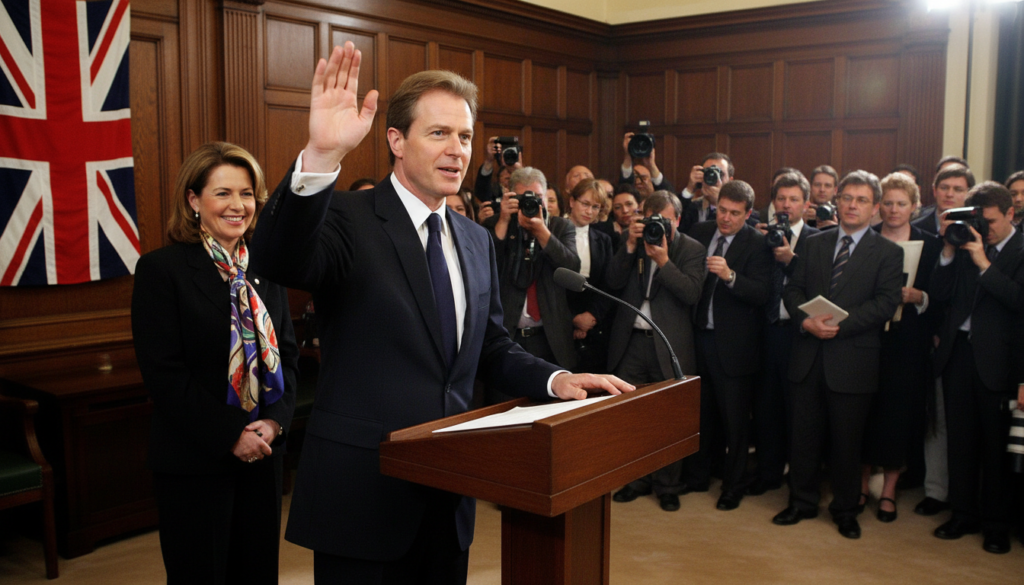
2001 United Kingdom General Election
On June 7, 2001, the United Kingdom general election resulted in Tony Blair's Labour Party securing a second consecutive term with a large parliamentary majority. This outcome affirmed Labour's continued dominance and the public's support for New Labour's centrist policies following the 1997 landslide. The election occurred during a period of economic growth but preceded the 9/11 attacks, which would reshape global security and Labour's subsequent foreign policy.
2001 United Kingdom General Election
Israeli Air Force Bombs Iraq’s Osirak Nuclear Reactor (Operation Opera)
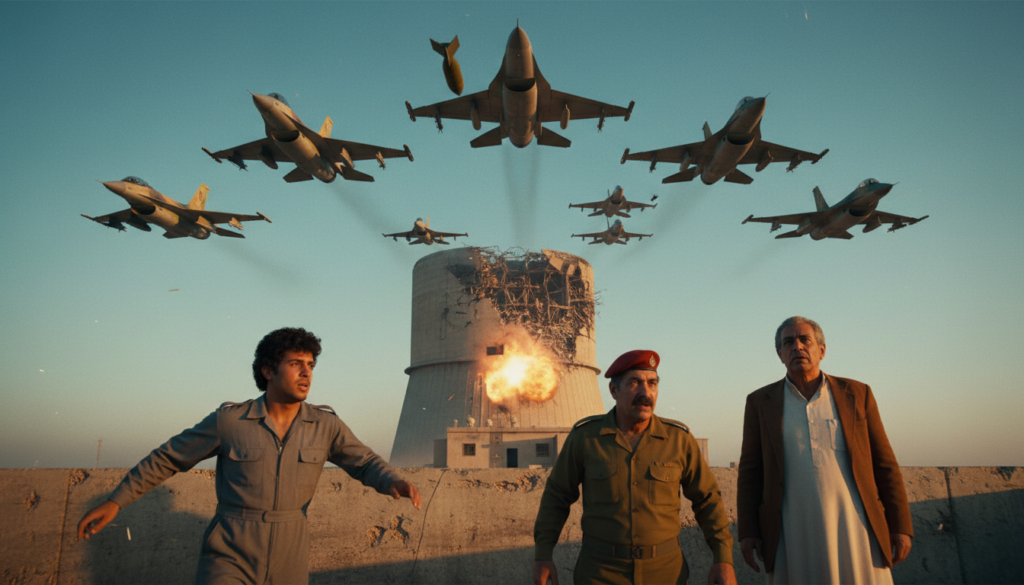
Israeli Air Force Bombs Iraq’s Osirak Nuclear Reactor (Operation Opera)
Year: 1981
On June 7, 1981, the Israeli Air Force launched Operation Opera, bombing and destroying Iraq’s Osirak nuclear reactor near Baghdad. The strike prevented Saddam Hussein’s regime from acquiring a nuclear weapons capability, a key strategic concern for Israel given the ongoing Iran-Iraq War and regional tensions. This preemptive attack set a precedent for using military force to counter perceived existential threats, influencing later debates on non-proliferation and preventive warfare in the Middle East.
Gemini 4 Splashdown and First American Spacewalk
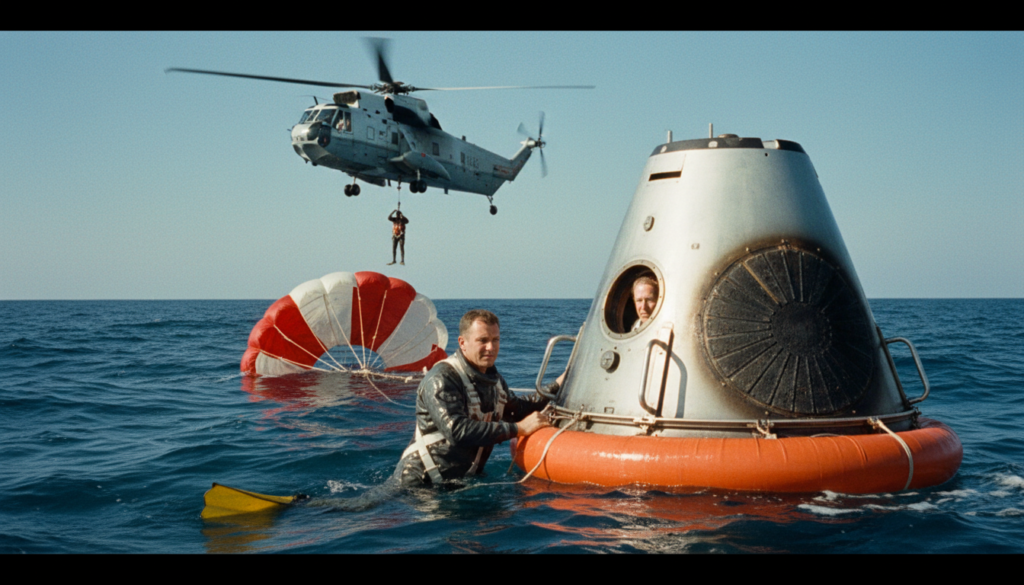
Gemini 4 Splashdown and First American Spacewalk
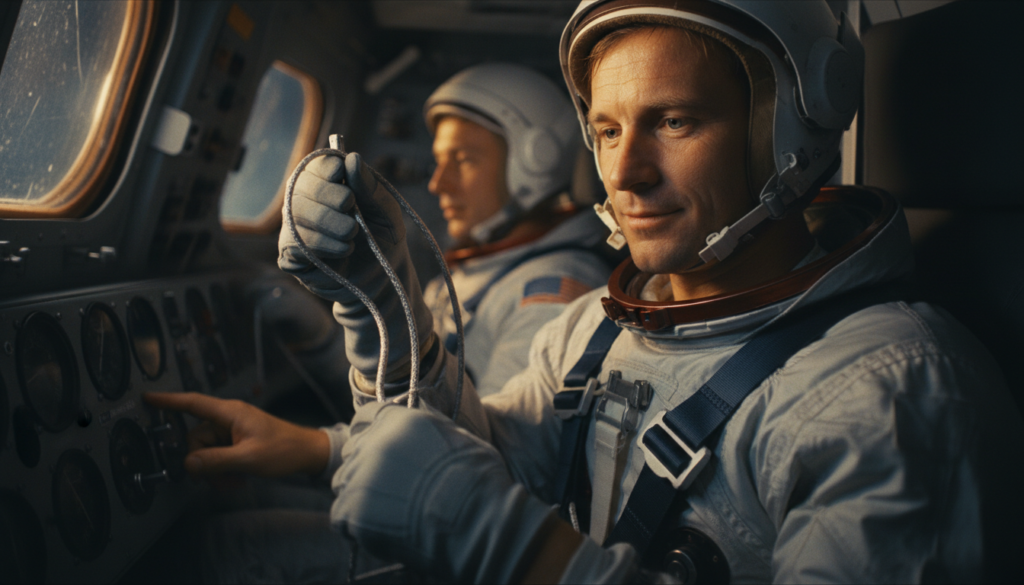
Year: 1965
On June 7, 1965, NASA’s Gemini 4 mission successfully splashed down in the Atlantic Ocean after a four-day flight, during which astronaut Ed White performed the first American spacewalk. This milestone demonstrated that astronauts could operate outside their spacecraft, a critical capability for future lunar missions. The event occurred amid the Cold War space race, following the Soviet Union’s first spacewalk just two months earlier, intensifying competition between the two superpowers.
Battle of Midway Ends
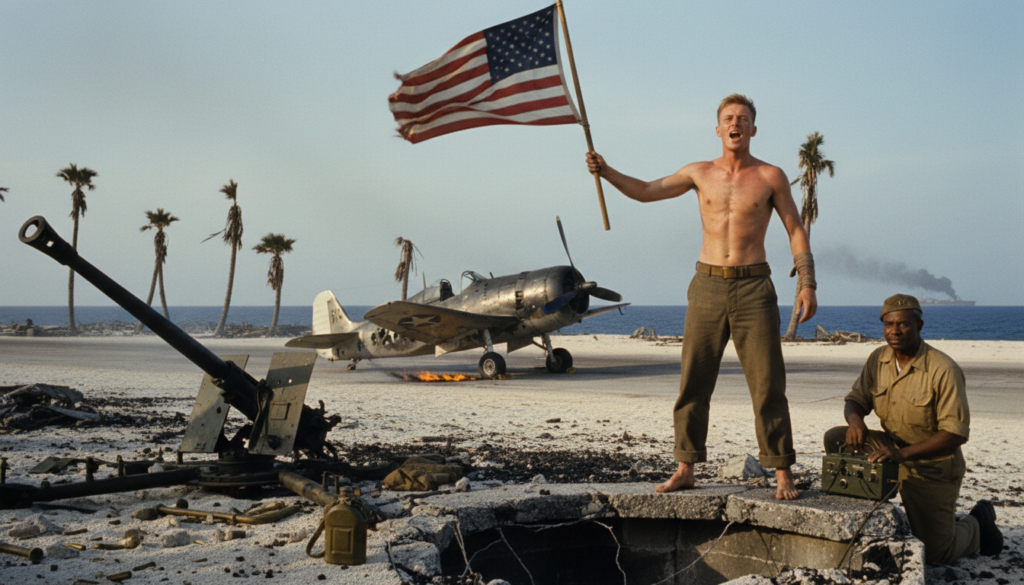
Battle of Midway Ends
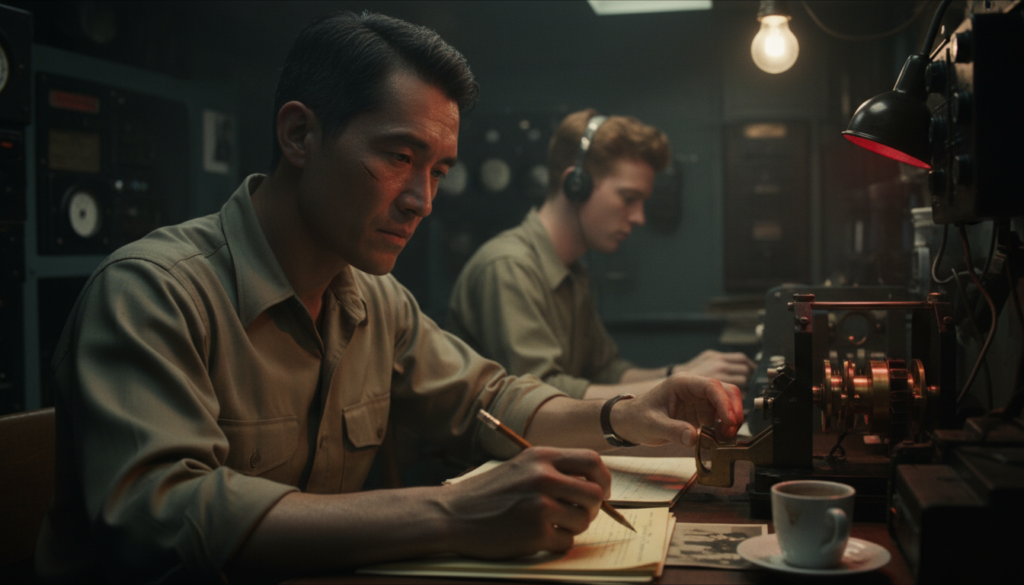
Year: 1942
The Battle of Midway, fought from June 4 to June 7, 1942, ended with a decisive U.S. victory as American dive bombers sank four Japanese aircraft carriers, while the U.S. lost only one. This victory halted Japan's expansion in the Pacific, shifting the strategic initiative to the United States and marking the turning point in the Pacific theater of World War II. The battle occurred six months after Pearl Harbor, with U.S. codebreakers having discovered Japanese plans, allowing Admiral Nimitz to ambush the Japanese fleet and change the war's course.
Battle of Messines Begins
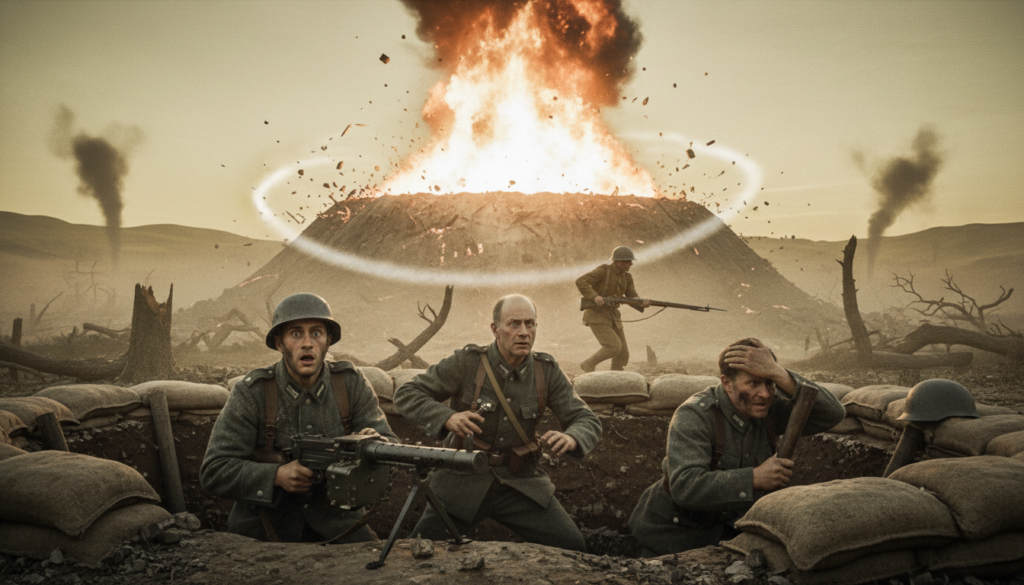
Battle of Messines Begins
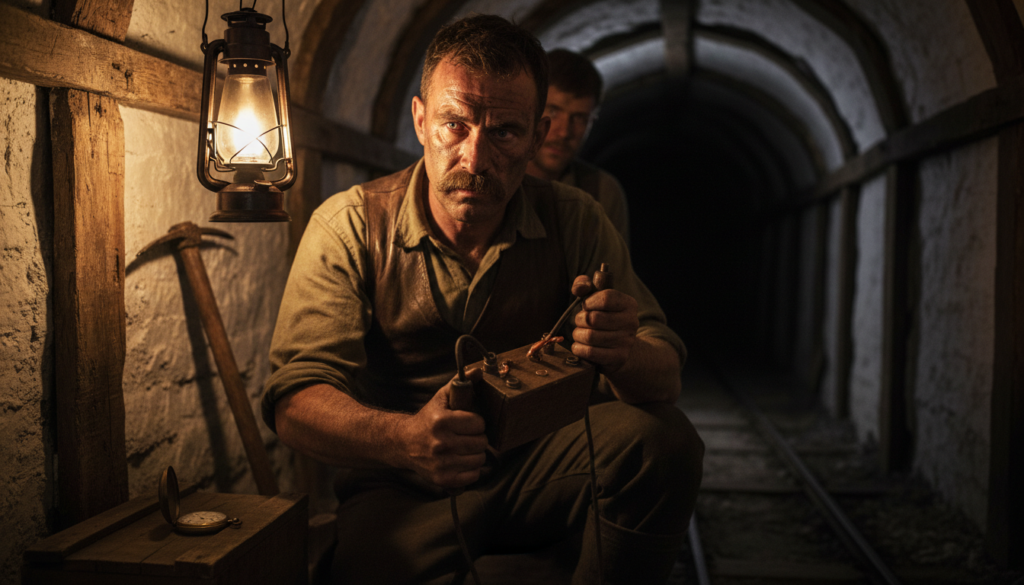
Year: 1917
On June 7, 1917, British forces detonated 19 pre-dug mines beneath German trenches near Messines, Belgium, killing an estimated 10,000 German soldiers in one of the largest non-nuclear explosions in history. This offensive was a crucial part of the broader World War I campaign in Flanders, aimed at securing the Messines Ridge to protect the flank of the upcoming Third Battle of Ypres (Passchendaele). The successful, coordinated blast and subsequent infantry advance demonstrated the effectiveness of mining and tunneling as a tactical innovation, though the war’s grinding attrition on the Western Front continued unabated.