![[e]Photo Stream](/logo.png)
June 6
5 moments across history
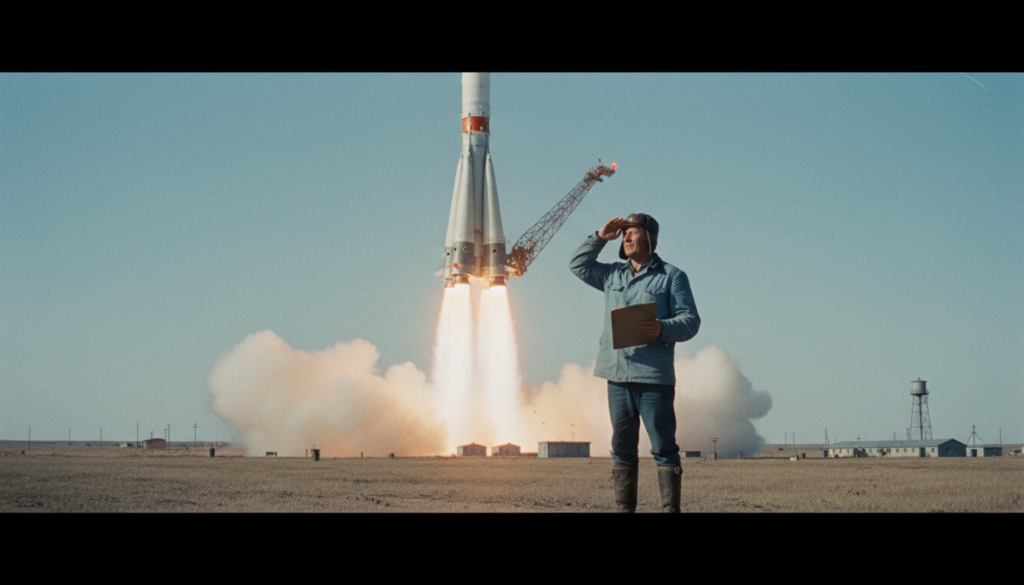
Soyuz 11 Launch (First Crewed Space Station Docking)
On June 6, 1971, the Soviet Union launched Soyuz 11, which successfully docked with the Salyut 1 space station, achieving the first crewed station docking in history. This mission marked a major milestone in the space race by demonstrating the ability to sustain a crew aboard an orbital outpost, advancing long-duration spaceflight capabilities. However, the mission ended tragically when the crew—Georgi Dobrovolski, Vladislav Volkov, and Viktor Patsayev—died during re-entry due to a cabin depressurization, underscoring the risks of human space exploration.
Soyuz 11 Launch (First Crewed Space Station Docking)
Death of Robert F. Kennedy
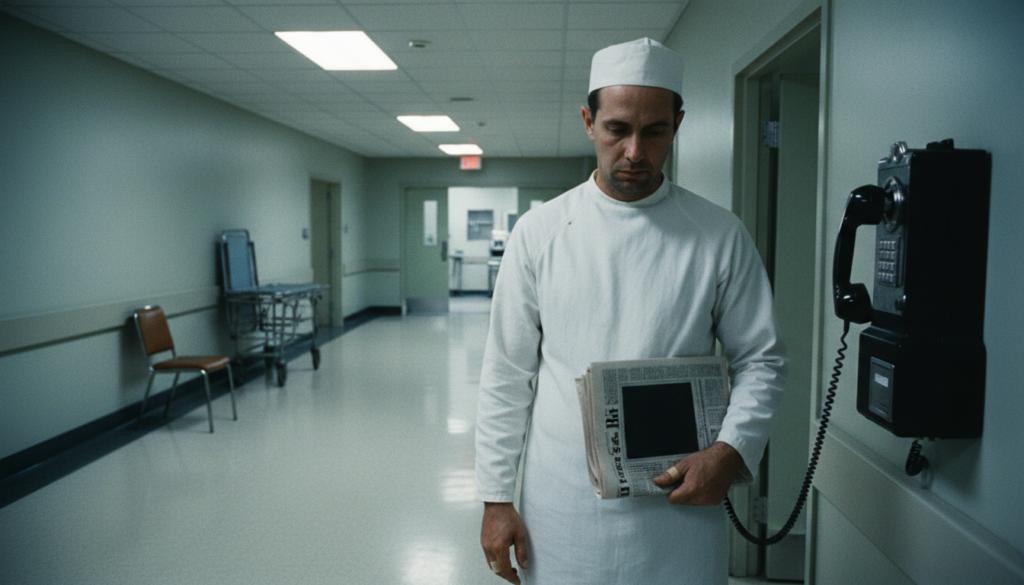
Death of Robert F. Kennedy

Year: 1968
On June 6, 1968, Senator Robert F. Kennedy died in Los Angeles from gunshot wounds inflicted the previous day by Sirhan Sirhan. His assassination eliminated a leading Democratic presidential candidate, deepening national grief and political turmoil in a year already marked by the murder of Martin Luther King Jr. and escalating protests over the Vietnam War. Kennedy’s death symbolized the violent fracturing of 1960s American idealism and altered the course of the 1968 election.
D-Day Landings (Operation Overlord)
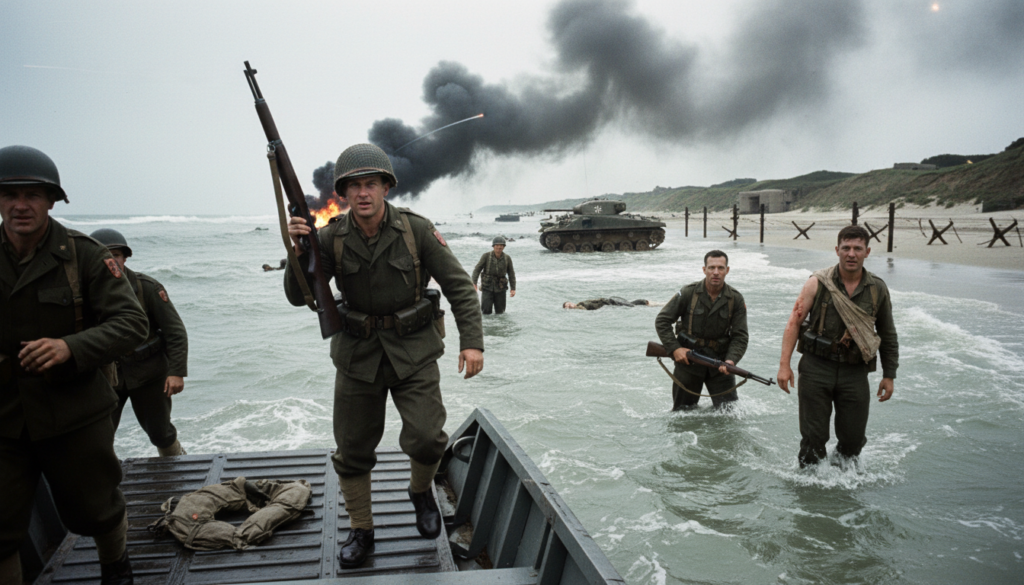
D-Day Landings (Operation Overlord)
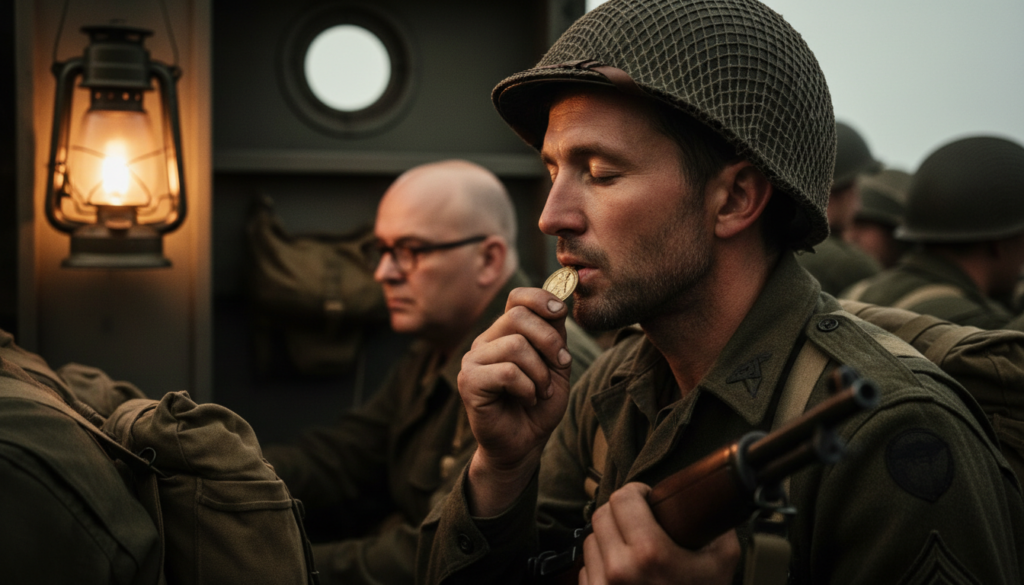
Year: 1944
Allied forces launched the largest amphibious invasion in history on June 6, 1944, landing on the beaches of Normandy, France. This opened a crucial Western Front against Nazi Germany, enabling the liberation of Western Europe and hastening the end of World War II. The operation marked a turning point in the conflict, as the Allied foothold in France led to Germany’s surrender less than a year later.
First Drive-In Movie Theater Opens
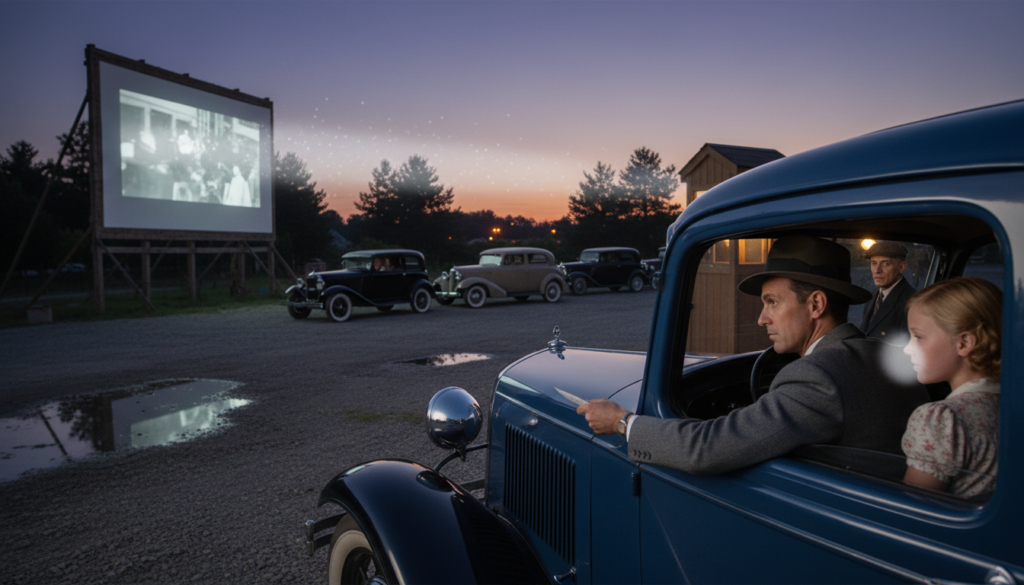
First Drive-In Movie Theater Opens
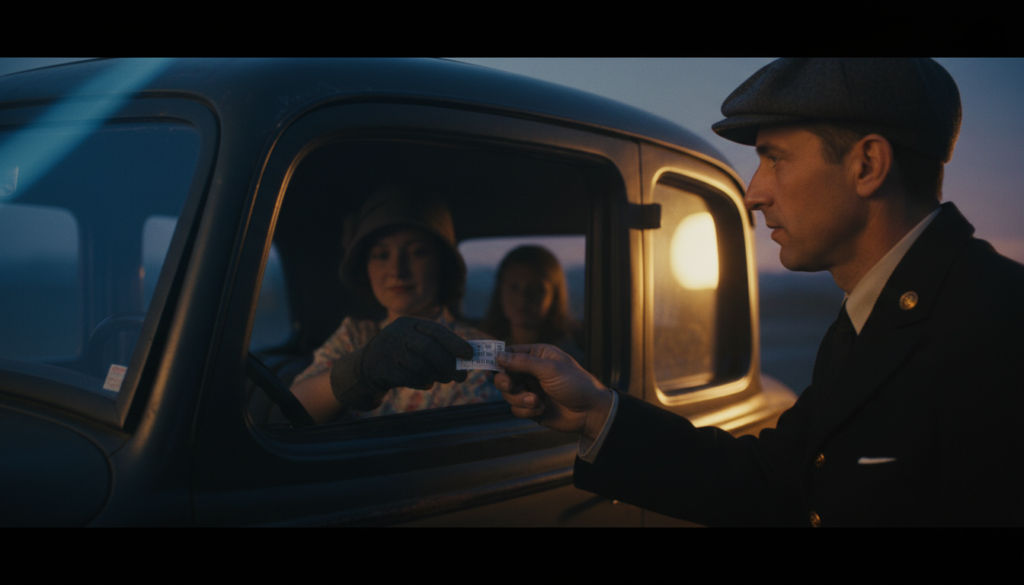
Year: 1933
On June 6, 1933, the first drive-in movie theater opened in Camden, New Jersey, allowing patrons to watch films from their cars. This innovation mattered because it combined the growing popularity of automobiles with cinema, creating a new form of entertainment that offered privacy and convenience during the Great Depression. The drive-in reflected broader trends of car culture and suburban expansion in 1930s America, though its widespread success came later with post-war prosperity.
Battle of Belleau Wood Begins
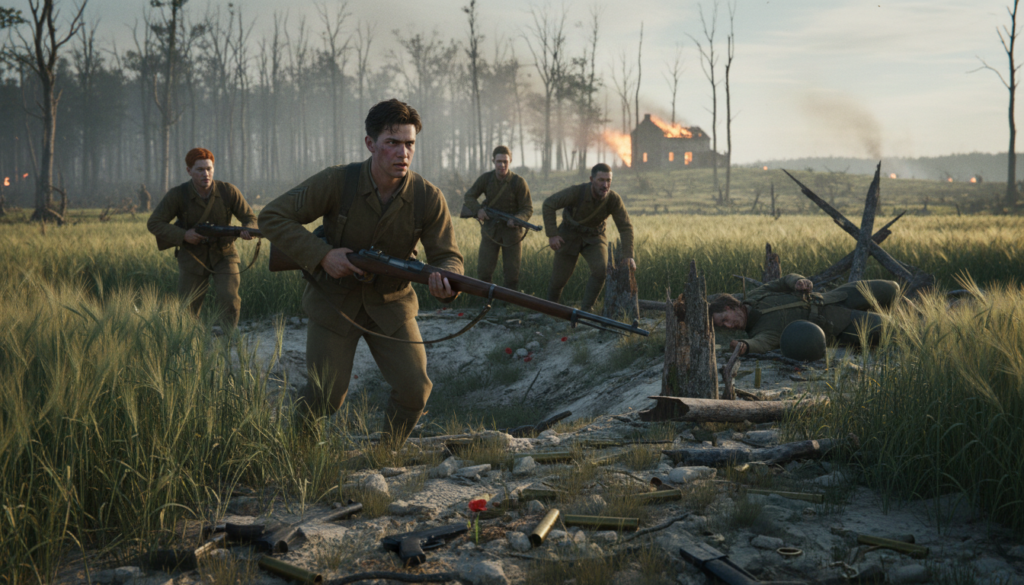
Battle of Belleau Wood Begins
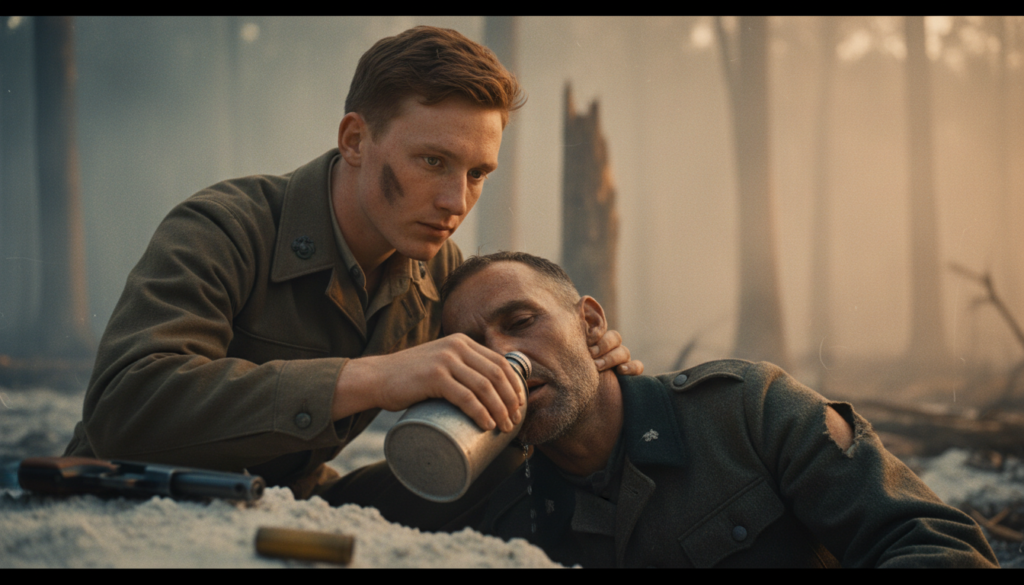
Year: 1918
On June 6, 1918, U.S. Marine Corps forces launched an assault on German-held Belleau Wood in France, beginning a brutal month-long battle that resulted in over 9,000 American casualties. This engagement mattered because it halted a major German offensive near Paris, demonstrating the combat effectiveness of American troops and boosting Allied morale during a critical phase of World War I. Broader context includes the war’s stalemate on the Western Front and the recent arrival of the American Expeditionary Forces, whose involvement helped turn the tide against the exhausted Central Powers.