![[e]Photo Stream](/logo.png)

June 11
5 moments across history
Ronald Reagan's Funeral Procession
On June 11, 2004, a funeral procession was held for Ronald Reagan, transporting his body from the United States Capitol to Washington National Cathedral. This event marked a significant moment in American history as the nation came together to mourn the loss of its 40th president, who played a crucial role in ending the Cold War. The outpouring of grief reflected the widespread appreciation for Reagan's leadership during a pivotal period of global politics, which saw the collapse of Soviet communism and a shift towards greater international cooperation.
Event 1
Execution of Timothy McVeigh for the Oklahoma City Bombing

Event 2

Year: 2001
On June 11, 2001, Timothy McVeigh was executed by lethal injection in Indiana for the 1995 Oklahoma City bombing, which killed 168 people and injured hundreds. The execution marked the first federal execution in 38 years and underscored the government's response to domestic terrorism. Broader context includes the bombing's role as a catalyst for security reforms and the ongoing debate over capital punishment in the United States.
John Wayne Dies of Stomach Cancer at 72

John Wayne Dies of Stomach Cancer at 72
Year: 1979
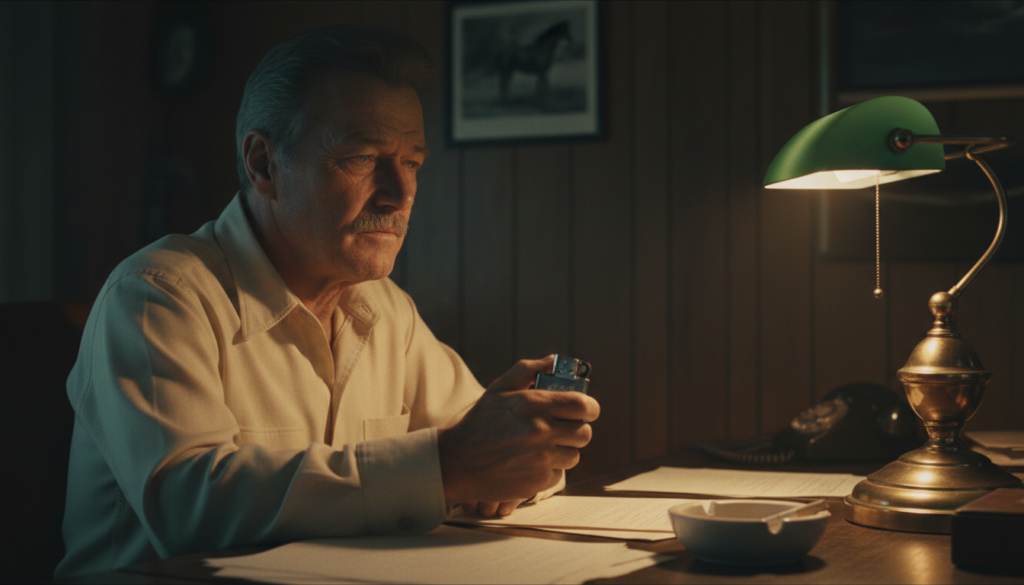
On June 11, 1979, American actor John Wayne died of stomach cancer at age 72, ending a decades-long career as a symbol of rugged masculinity in Hollywood Westerns and war films. His death mattered because Wayne embodied a conservative, patriotic archetype that resonated deeply with Cold War-era America, making him a cultural icon whose influence extended beyond cinema into national identity. Historically, his passing occurred during a period of shifting social values in the late 1970s, marking the end of an era for traditional film stardom and the classic Hollywood studio system.
Thich Quang Duc's Self-Immolation in Saigon
Thich Quang Duc's Self-Immolation in Saigon

Year: 1963
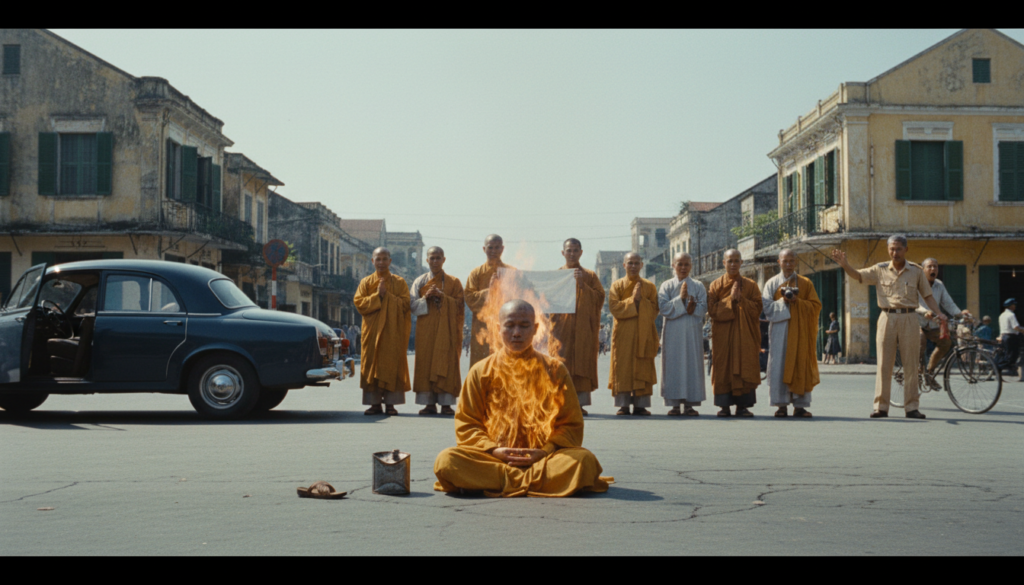
On June 11, 1963, Buddhist monk Thich Quang Duc sat calmly in a busy Saigon intersection, doused himself with gasoline, and set himself on fire to protest the anti-Buddhist policies of President Ngo Dinh Diem's regime. The shocking act, captured in a Pulitzer Prize-winning photograph, galvanized international outrage and deepened the Buddhist crisis, eventually leading the United States to withdraw support for Diem, who was overthrown and killed in a coup later that year. This event occurred during the escalating Vietnam War, highlighting the deep religious and political divisions in South Vietnam and exposing the instability of Diem's authoritarian rule, which American policymakers had previously backed as a bulwark against communism.
The 1962 Alcatraz Escape
The 1962 Alcatraz Escape
Year: 1962
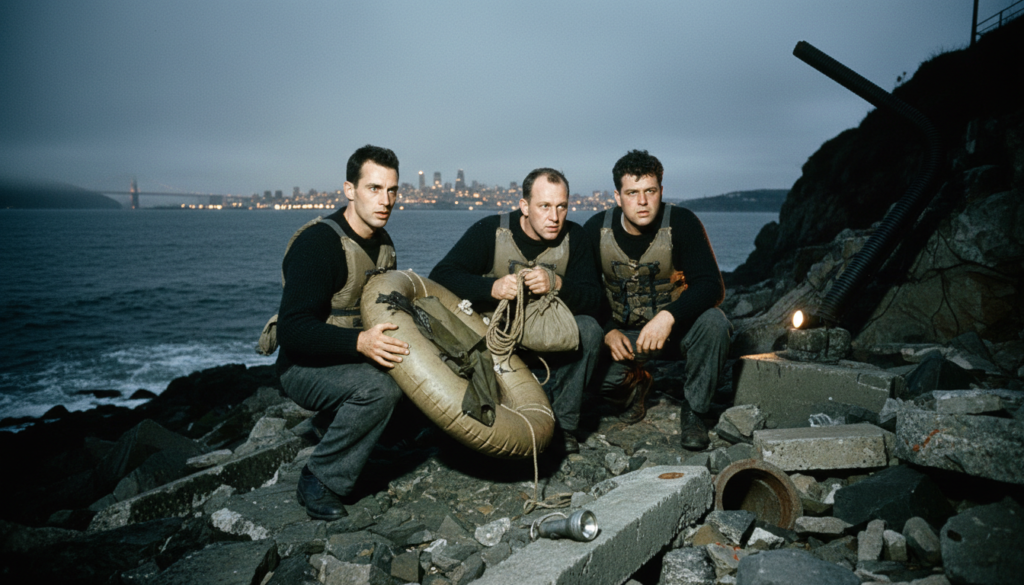
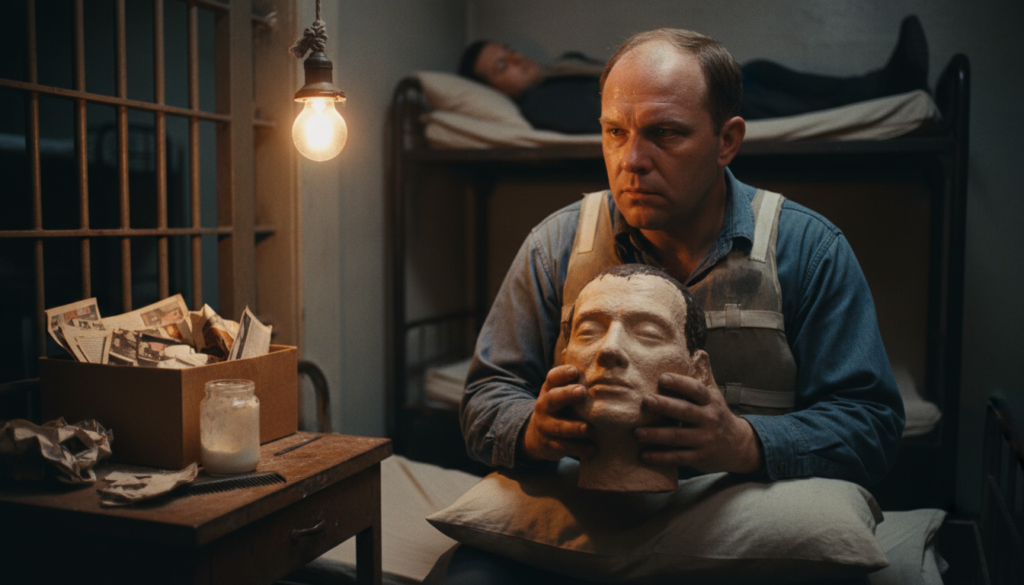
On June 11, 1962, inmates Frank Morris and brothers John and Clarence Anglin escaped from Alcatraz Federal Penitentiary by crawling through ventilation shafts, scaling a utility pipe, and launching a makeshift raft from the island. The event mattered because it remains one of the most famous unsolved prison breaks in U.S. history, with the FBI concluding the men likely drowned but never recovering their bodies. Historically, the escape occurred during the peak of Alcatraz’s operation as a maximum-security prison, symbolizing both the era’s fascination with criminal ingenuity and the eventual closure of the facility in 1963 due to high operational costs.