![[e]Photo Stream](/logo.png)

May 31
5 moments across history
Deep Throat Revealed
On May 31, 2005, former FBI Associate Director W. Mark Felt was publicly revealed as "Deep Throat," the secret source who guided Washington Post reporters Bob Woodward and Carl Bernstein during the Watergate investigation. This mattered because confirming Felt's identity ended decades of speculation about the informant whose leaks helped expose the Nixon administration's abuse of power, ultimately leading to President Richard Nixon's resignation in 1974. The broader historical context is the Watergate scandal itself—a constitutional crisis that underscored the role of anonymous sources in investigative journalism and the necessity of government accountability.
Deep Throat Revealed
Trans-Alaska Pipeline Completed

Trans-Alaska Pipeline Completed
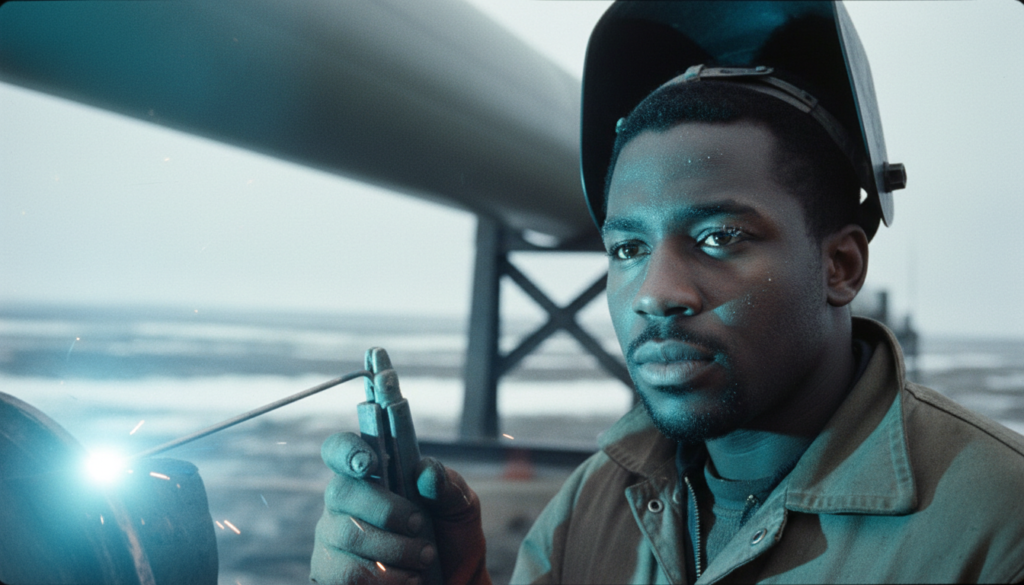
Year: 1977
On May 31, 1977, the Trans-Alaska Pipeline System was completed, an 800-mile oil pipeline connecting Prudhoe Bay to Valdez. Its completion enabled large-scale transport of crude oil from Alaska’s North Slope to an ice-free port, significantly boosting U.S. domestic oil production. Built after the 1973 oil crisis heightened energy security concerns, the pipeline overcame environmental and engineering challenges across permafrost and seismically active terrain.
1970 Ancash Earthquake
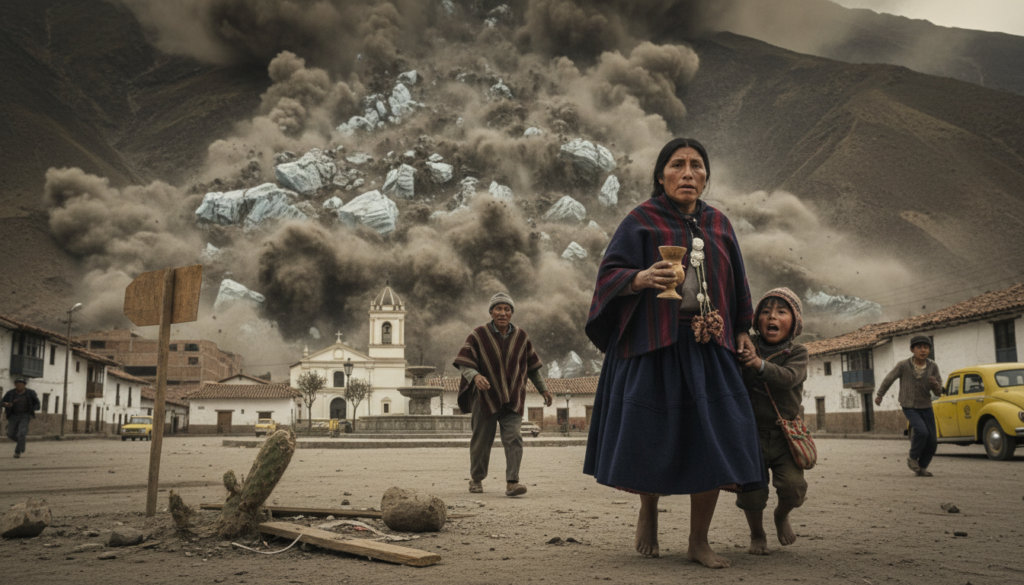
1970 Ancash Earthquake

Year: 1970
The 1970 Ancash earthquake struck off the coast of Peru on May 31, triggering a massive landslide from Mount Huascarán that buried the town of Yungay and surrounding areas, killing approximately 70,000 people. This disaster remains one of the deadliest earthquakes in the Western Hemisphere, highlighting the extreme vulnerability of Andean communities to seismic-triggered avalanches. It occurred during a period of political instability in Peru under a military regime, and the inadequate response spurred later improvements in disaster preparedness and international relief coordination.
South Africa Becomes a Republic
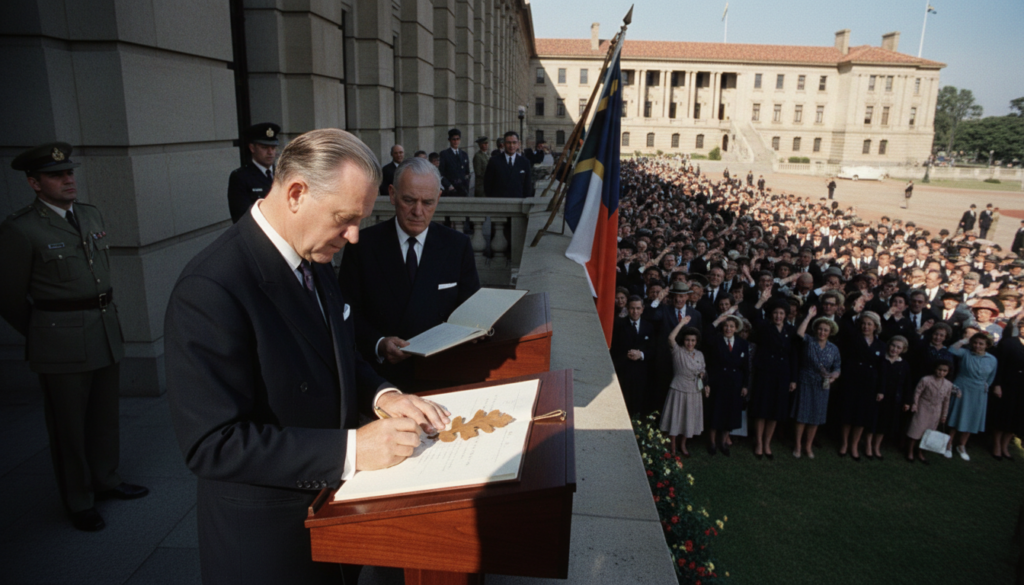
South Africa Becomes a Republic
Year: 1961
On May 31, 1961, South Africa became a republic, replacing the British monarchy as head of state and adopting a new constitution, which simultaneously ended its membership in the Commonwealth of Nations. This transition mattered because it removed the last formal British constitutional constraints, allowing the apartheid government—led by the National Party—to consolidate its racial segregation policies without external oversight. Broader historical context includes the rising tide of decolonization in Africa and increasing international condemnation of apartheid, which would later lead to South Africa's isolation.
Sydney Harbour Attack (1942)
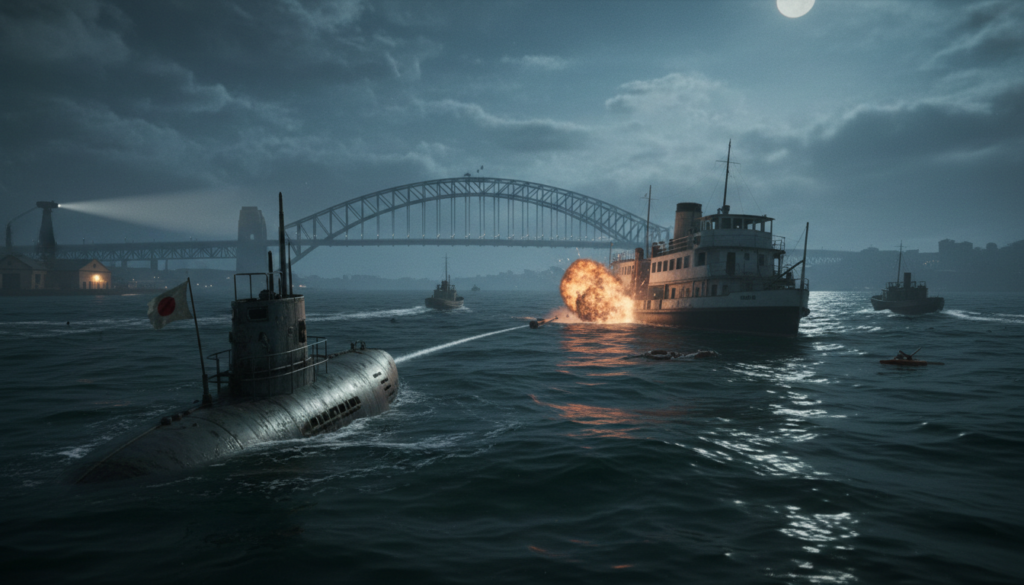
Sydney Harbour Attack (1942)
Year: 1942
On May 31, 1942, three Japanese Ko-hyoteki-class midget submarines entered Sydney Harbour, Australia, launching torpedoes that sank a converted ferry, HMAS Kuttabul, killing 21 sailors. This attack mattered as it brought the Pacific War directly to Australian shores, heightening fears of a potential Japanese invasion. It occurred during Japan's rapid expansion in 1942, following the fall of Singapore and the bombing of Darwin, underscoring the vulnerability of Allied home fronts in the Pacific theater.