![[e]Photo Stream](/logo.png)
May 10
5 moments across history
1994 – Nelson Mandela inaugurated as President of South Africa
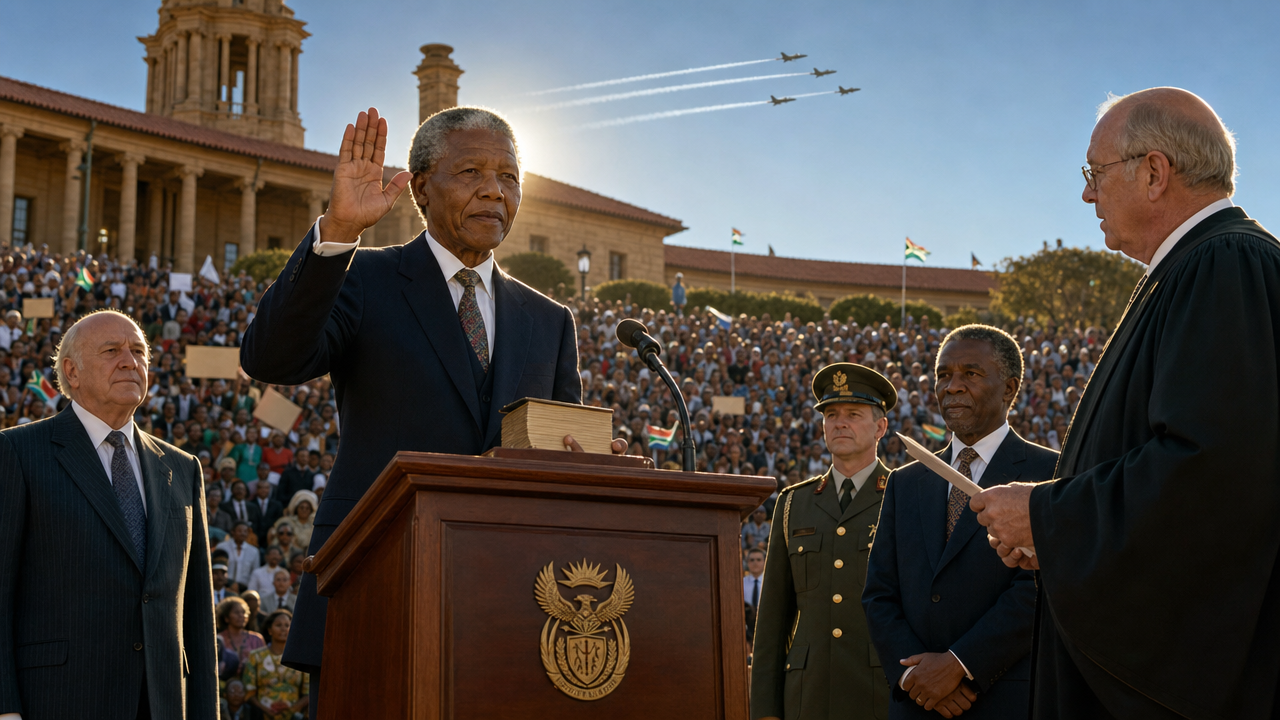
Nelson Mandela was inaugurated on May 10, 1994, as South Africa’s first Black president after the country’s first fully democratic election. His swearing-in marked the formal end of apartheid rule and the beginning of a new constitutional democracy built around equal citizenship. The ceremony became a global symbol of reconciliation, showing a nation trying to move from oppression and imprisonment toward shared political power.
Mandela takes office in Pretoria after South Africa’s first fully democratic election.
1960 – USS *Triton* completes first submerged circumnavigation of the globe
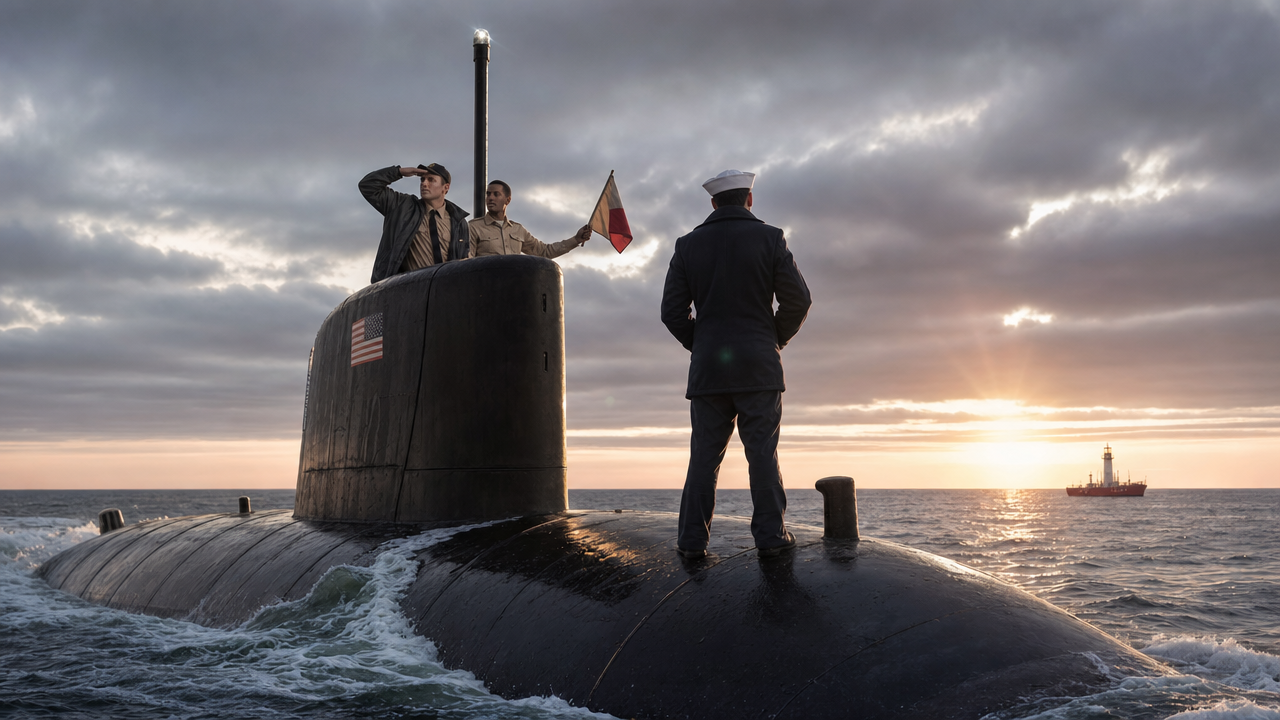
USS Triton’s underwater voyage proved the endurance of nuclear-powered submarines.

The mission followed a Magellan-inspired route while remaining submerged for the full journey.
USS Triton completed the first submerged circumnavigation of the globe on May 10, 1960, after traveling more than 26,000 nautical miles without surfacing. The nuclear-powered submarine followed a route inspired by Magellan’s voyage while proving that atomic propulsion could sustain long, secret missions underwater. The journey was a Cold War demonstration of endurance, navigation, and the expanding reach of the U.S. Navy’s submarine fleet.
1941 – Rudolf Hess flies to Scotland on a secret peace mission
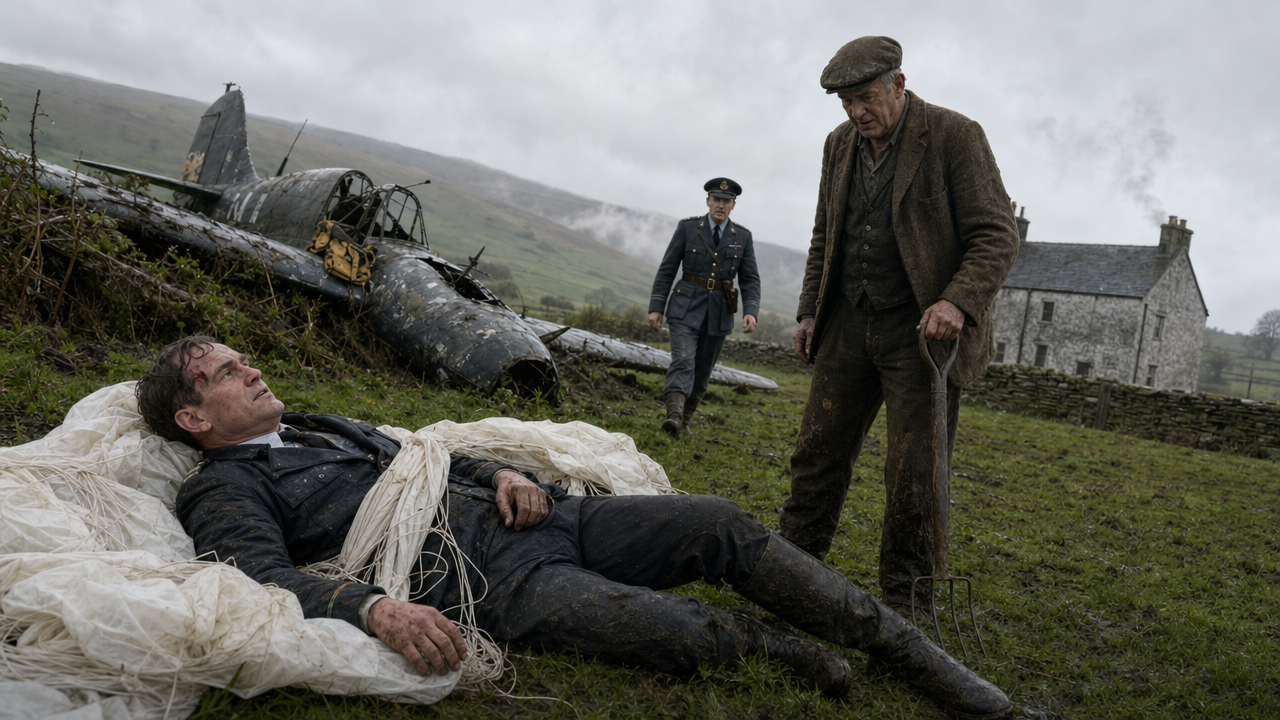
Hess’s solo flight to Scotland shocked both Britain and Germany in 1941.
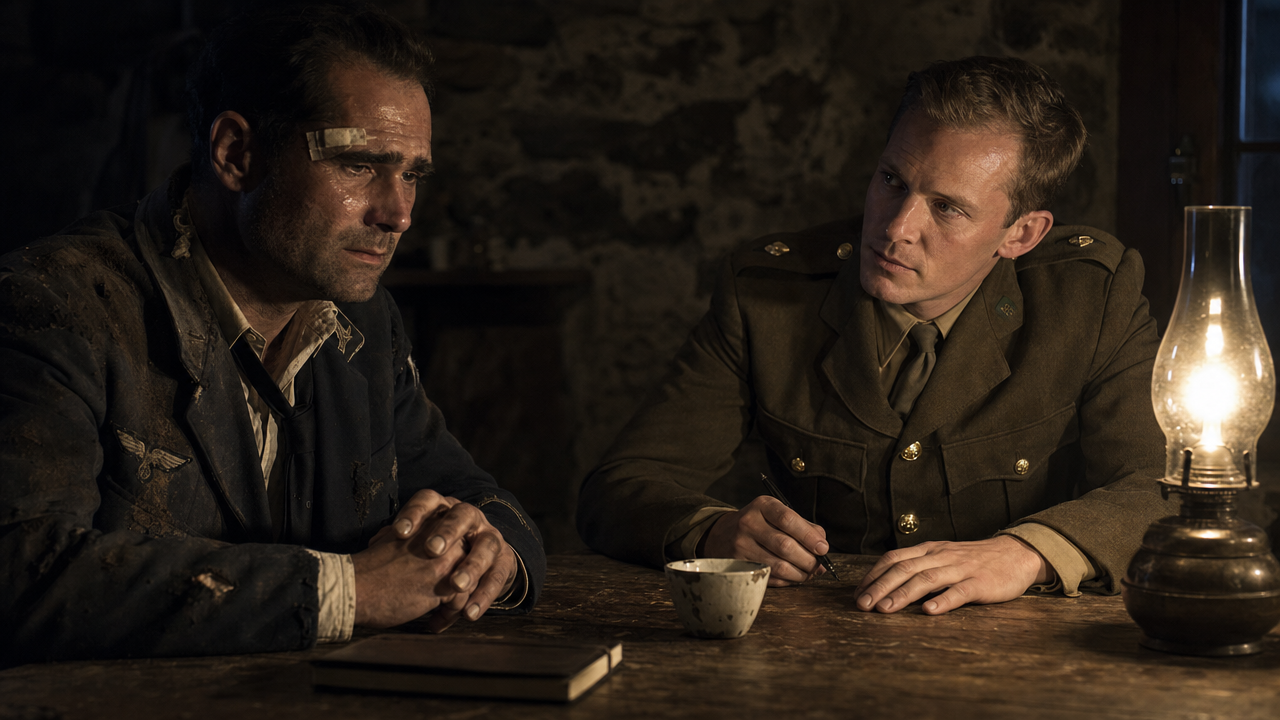
The failed mission ended in arrest, denial from Hitler, and years of imprisonment.
Rudolf Hess flew alone to Scotland on May 10, 1941, claiming he wanted to negotiate peace between Nazi Germany and Britain. British authorities arrested him immediately, while Hitler disowned the mission and portrayed Hess as mentally unstable. The bizarre flight exposed fractures and delusions inside the Nazi leadership, but it did nothing to alter the course of the war.
1940 – Winston Churchill becomes Prime Minister of the United Kingdom
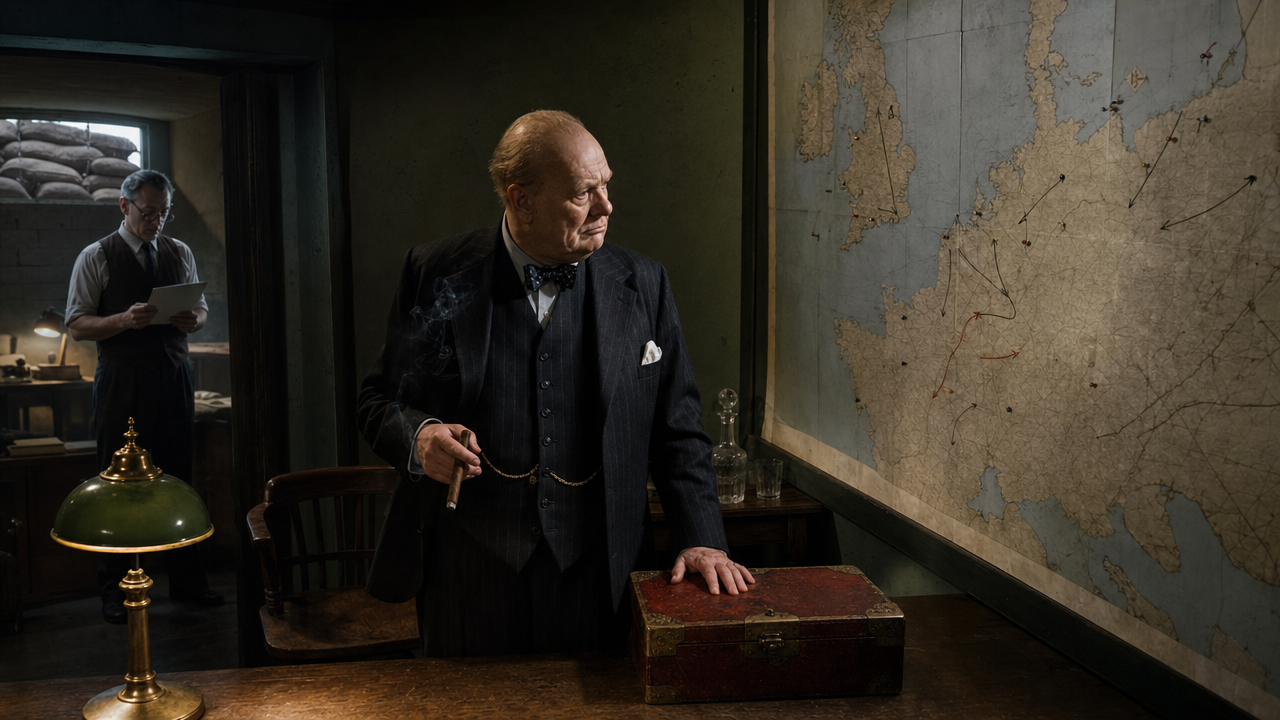
Churchill entered office as Germany opened its western offensive in May 1940.

His coalition government rallied Britain for the hardest months of the war.
Winston Churchill became Prime Minister of the United Kingdom on May 10, 1940, replacing Neville Chamberlain at the moment Germany invaded France and the Low Countries. He formed a coalition government and quickly framed the conflict as a national fight for survival. His leadership and wartime speeches helped sustain British morale through the Battle of Britain and the wider struggle against Nazi Germany.
1933 – Nazi book burnings take place across Germany
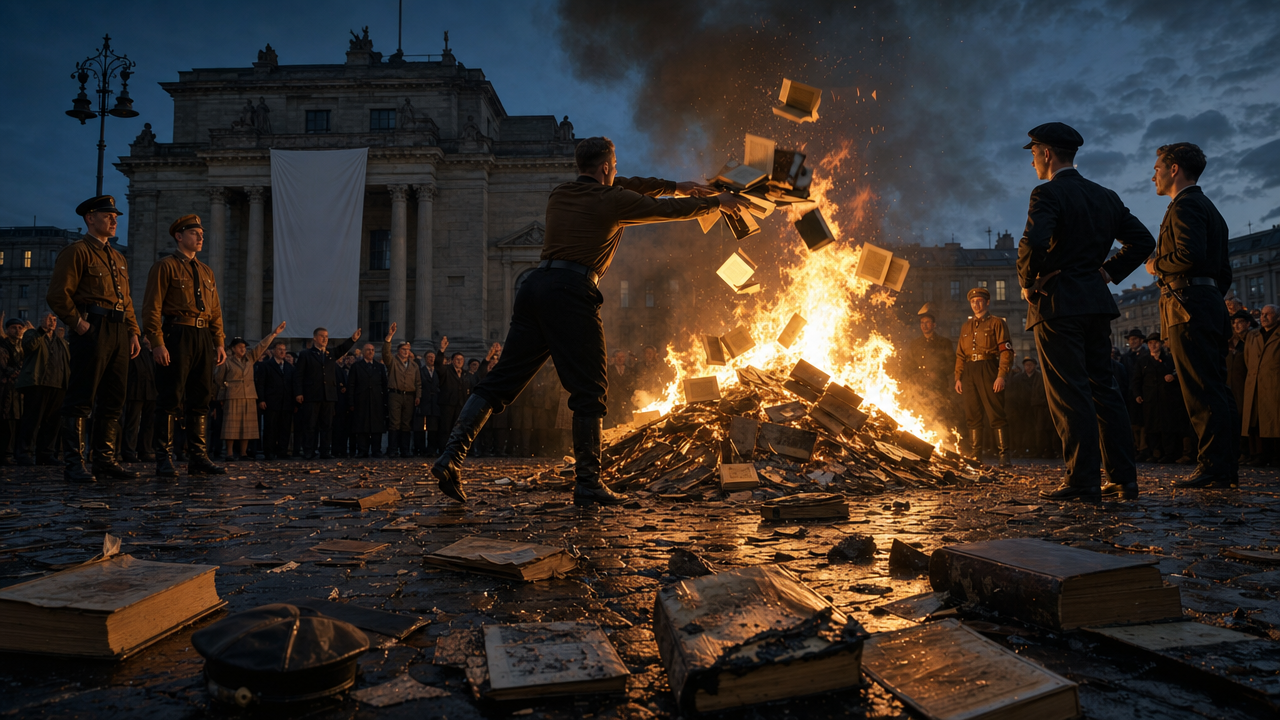
Nazi supporters staged public book burnings as a ritual of ideological control.
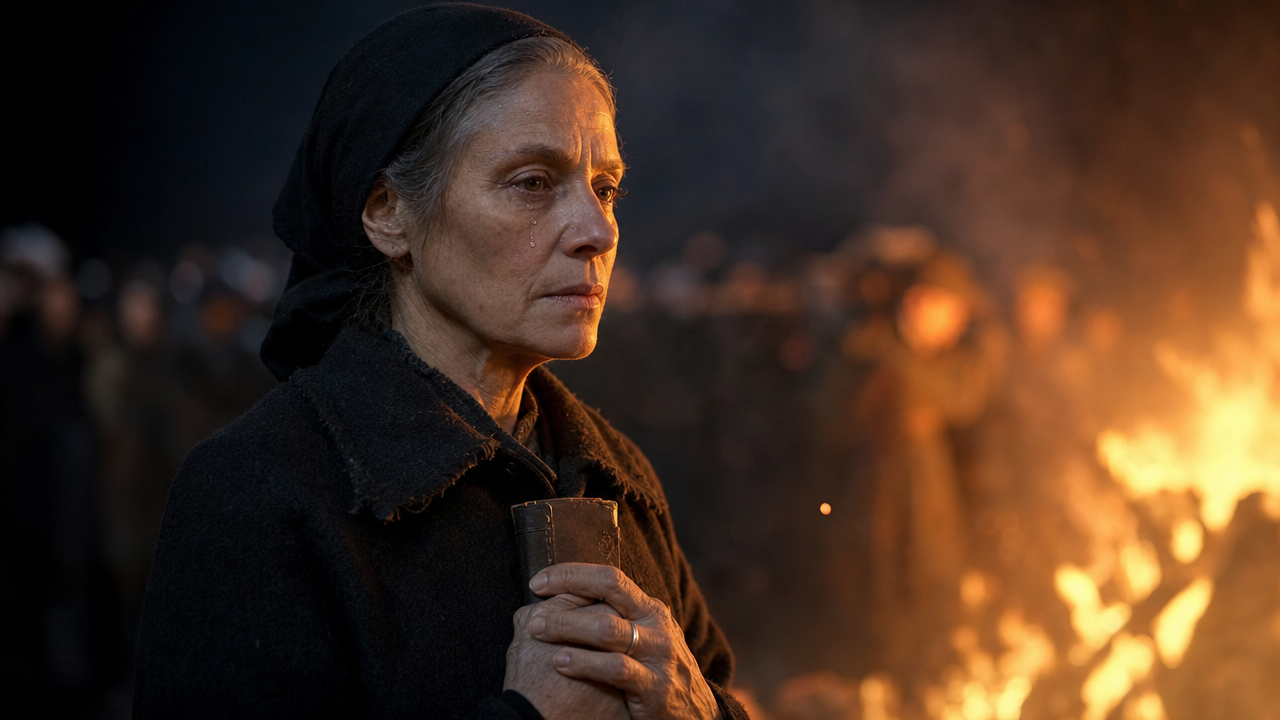
The targeted authors reflected the regime’s hostility to dissent, pluralism, and Jewish life.
On May 10, 1933, Nazi students and party supporters burned books across Germany in staged public ceremonies against works they labeled “un-German.” The targets included Jewish, Marxist, liberal, pacifist, and modernist writers whose ideas challenged Nazi ideology. The burnings became an early warning of the regime’s assault on free thought, cultural life, and human dignity.