![[e]Photo Stream](/logo.png)
May 13
5 moments across history
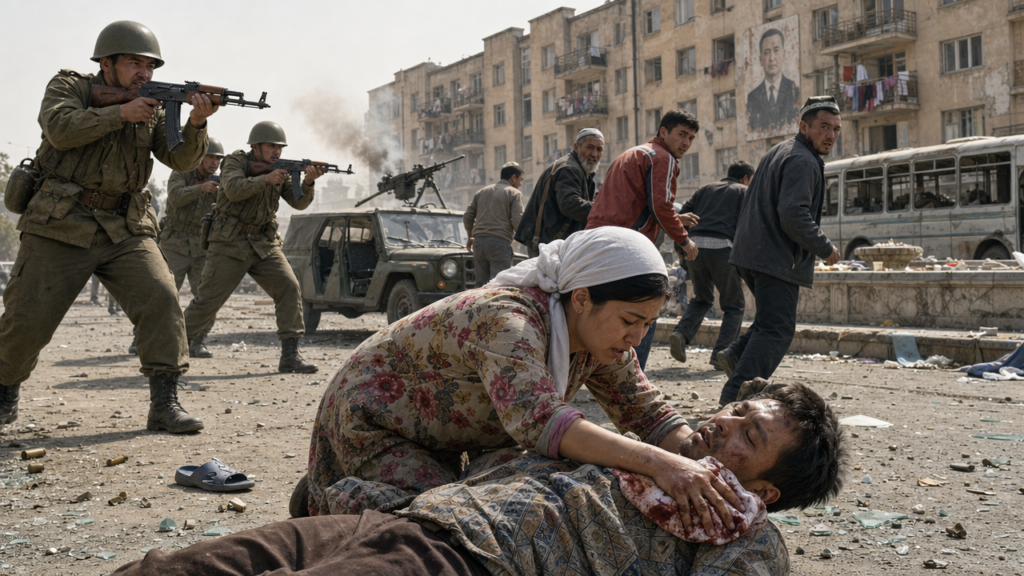
Andijan Massacre (2005)
On May 13, 2005, Uzbek government troops fired into a crowd of unarmed protesters in Andijan, killing hundreds according to witnesses; the protests began after a trial of 23 businessmen accused of Islamic extremism, and the massacre was part of a violent crackdown on dissent. The event drew international condemnation and spotlighted the harsh authoritarian rule of President Islam Karimov, who justified the action as necessary to prevent an Islamist uprising. In broader context, the massacre exemplified the post-Soviet Central Asian pattern of suppressing opposition under the pretext of combating terrorism, with the United States and other powers offering muted criticism due to strategic interests in the region.
Andijan Massacre (2005)
Assassination Attempt on Pope John Paul II

Assassination Attempt on Pope John Paul II
Year: 1981
On May 13, 1981, Mehmet Ali Ağca shot and severely wounded Pope John Paul II in St. Peter's Square; the Pope survived after emergency surgery. The attack underscored security risks for global religious figures and sparked widespread sympathy, with the Pope later publicly forgiving Ağca. Occurring amid Cold War tensions, Ağca's connections to far-right Turkish groups and possible Bulgarian/Moscow ties raised geopolitical questions, especially given the Pope's support for Poland's Solidarity movement.
May 13 Racial Riots in Malaysia
May 13 Racial Riots in Malaysia
Year: 1969
On May 13, 1969, violent clashes erupted in Kuala Lumpur between ethnic Malays and Chinese Malaysians following a general election that saw opposition gains, leading to hundreds of deaths and a declaration of a state of emergency. The riots mattered because they fundamentally reshaped Malaysian politics, resulting in the introduction of the New Economic Policy (NEP) in 1971, which aimed to address ethnic economic imbalances through affirmative action for Malays. Historically, the riots reflected deep-seated tensions stemming from British colonial divide-and-rule policies, which created entrenched ethnic divisions and economic disparities, and they set a precedent for authoritarian governance under the Barisan Nasional coalition that lasted until 2018.
Algiers Putsch (1958)
Event 4

Year: 1958
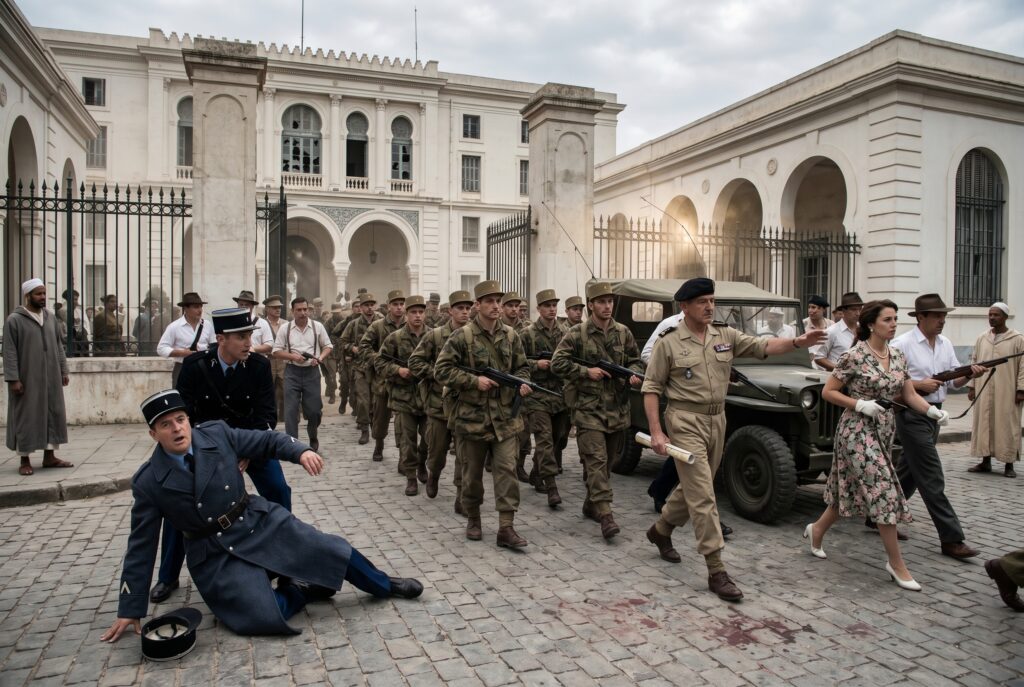
On May 13, 1958, French military officers and pied-noir settlers in Algiers seized government buildings, forming a Committee of Public Safety and demanding Charles de Gaulle’s return to power. The putsch triggered the collapse of France’s Fourth Republic, leading de Gaulle to take control and draft a new constitution, creating the Fifth Republic. This event occurred amid the Algerian War (1954–1962), as French forces and settlers resisted Algerian independence, ultimately reshaping France’s political system.
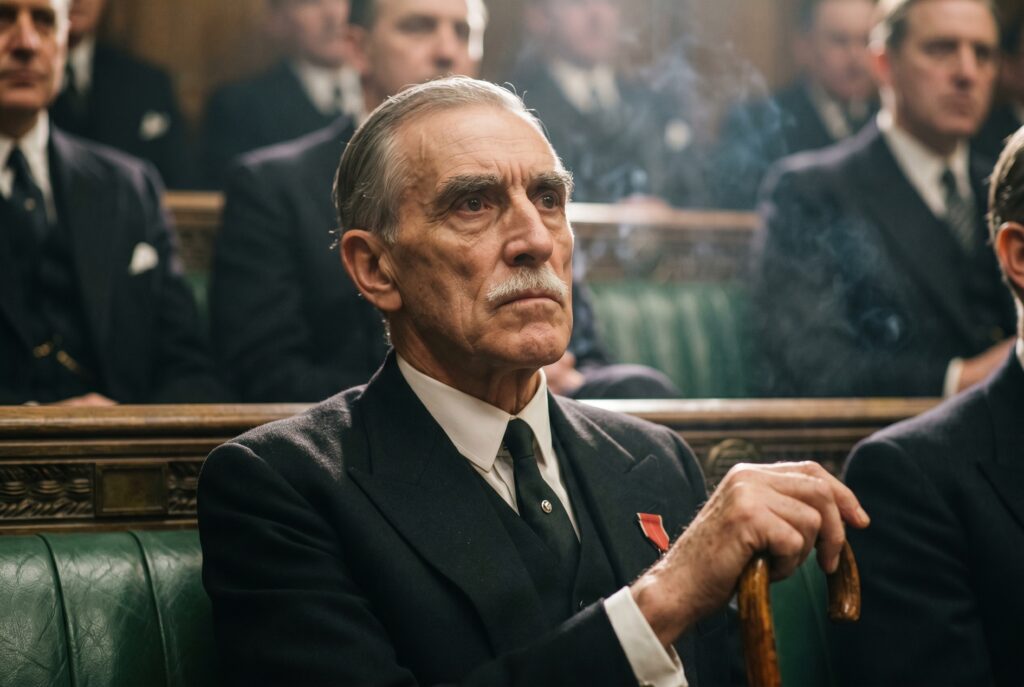
Churchill’s “Blood, Toil, Tears and Sweat” Speech
Churchill’s “Blood, Toil, Tears and Sweat” Speech
Year: 1940
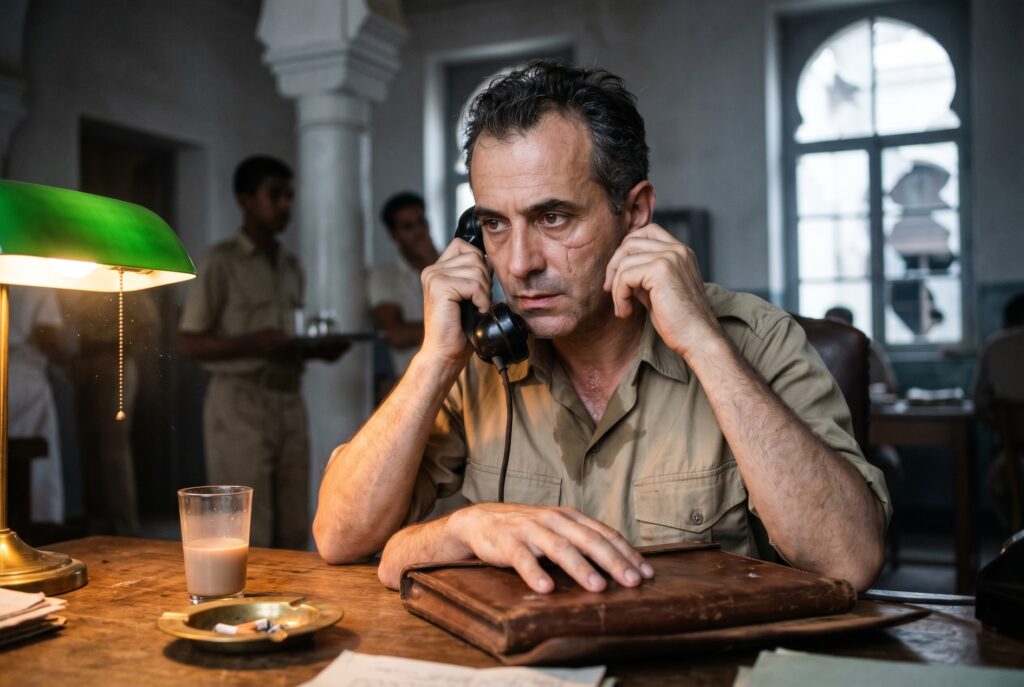
On May 13, 1940, Winston Churchill delivered his first speech as Prime Minister to the House of Commons, declaring "I have nothing to offer but blood, toil, tears and sweat." The speech rallied Parliament and the British public by frankly acknowledging the immense struggle ahead while pledging unwavering resolve against Nazi Germany. It came just days after Germany’s Blitzkrieg invasions of France and the Low Countries, marking the start of Britain’s lonely fight before the Fall of France.