![[e]Photo Stream](/logo.png)
May 28
5 moments across history
Nepal Becomes a Republic
On May 28, 2008, Nepal's Constituent Assembly voted to abolish the monarchy, establishing a federal democratic republic. This ended the 240-year reign of the Shah dynasty and marked the culmination of a decade-long civil war between royalist forces and Maoist insurgents. The transition came after the 2006 peace agreement, which dismantled absolute monarchy and set Nepal on a path toward secular democracy and federalism.
Nepal's Constituent Assembly voted to abolish the monarchy, establishing a federal democratic republic.
Belgium Surrenders to Nazi Germany
King Leopold III’s surrender ended the 18-day Battle of Belgium, exposing Allied forces and hastening the Dunkirk evacuation.
Belgium's surrender exposed the Allied flank and forced the Dunkirk evacuation, shifting the balance of power in Western Europe.
On May 28, 1940, King Leopold III of Belgium surrendered to Nazi Germany, ending the 18-day Battle of Belgium in World War II. This surrender left the British Expeditionary Force and French troops exposed, contributing to the Allies' desperate evacuation from Dunkirk. The event highlighted the speed of Germany’s Blitzkrieg and marked a major early Axis victory, shifting the balance of power in Western Europe.
Golden Gate Bridge Opens
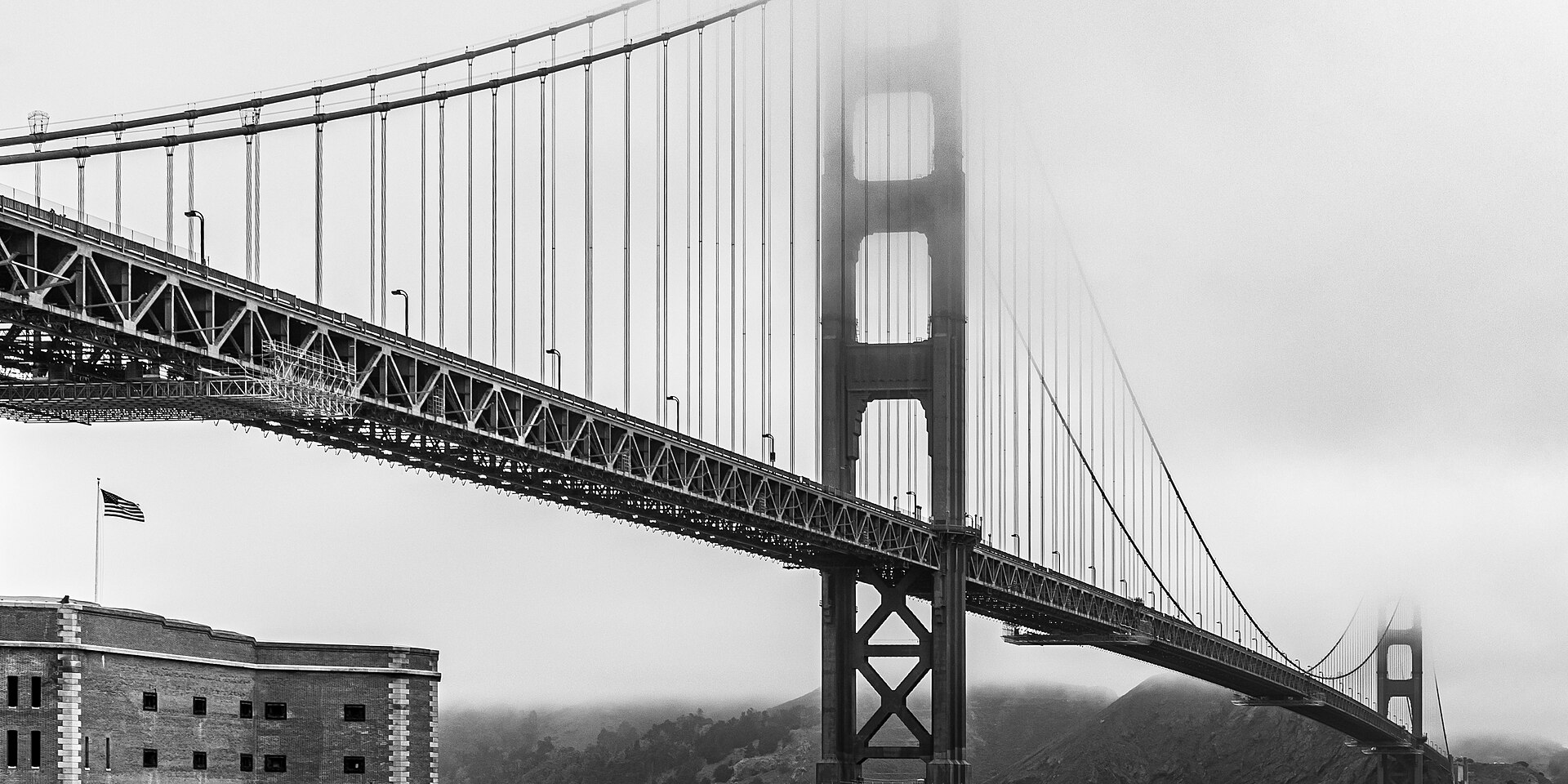
The Golden Gate Bridge linked San Francisco and Marin County for the first time by road, marking a landmark engineering achievement during the Great Depression.
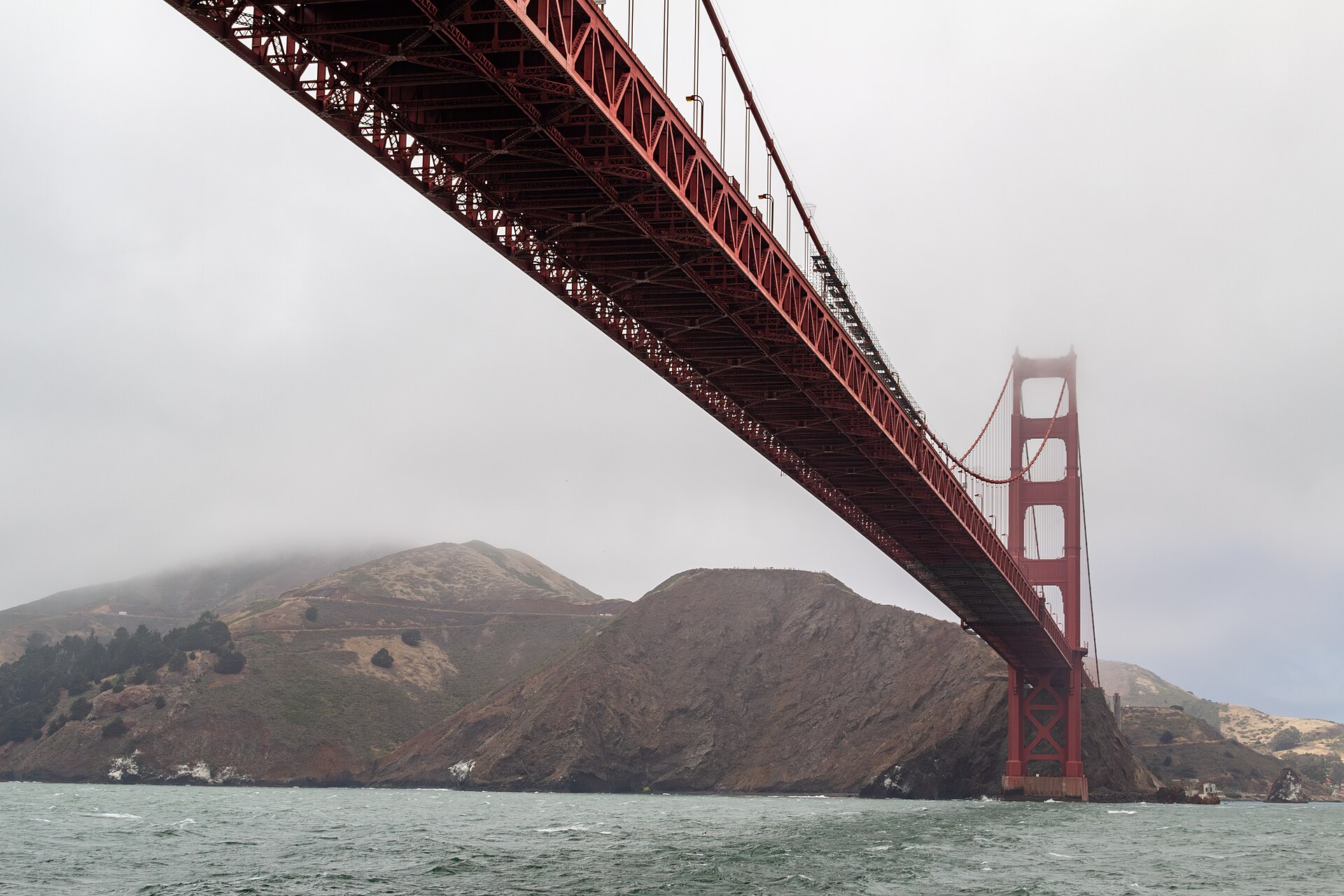
An engineering marvel of the Great Depression era, the Golden Gate Bridge became an enduring symbol of American ingenuity.
On May 28, 1937, the Golden Gate Bridge opened to vehicular traffic, linking San Francisco to Marin County for the first time by road. Its completion was a landmark engineering achievement, drastically reducing travel time across the Golden Gate Strait and becoming an essential transportation artery for the region. Constructed during the Great Depression, the bridge symbolized American resilience and technological progress, even as the nation struggled with widespread economic hardship.
Birth of the Dionne Quintuplets
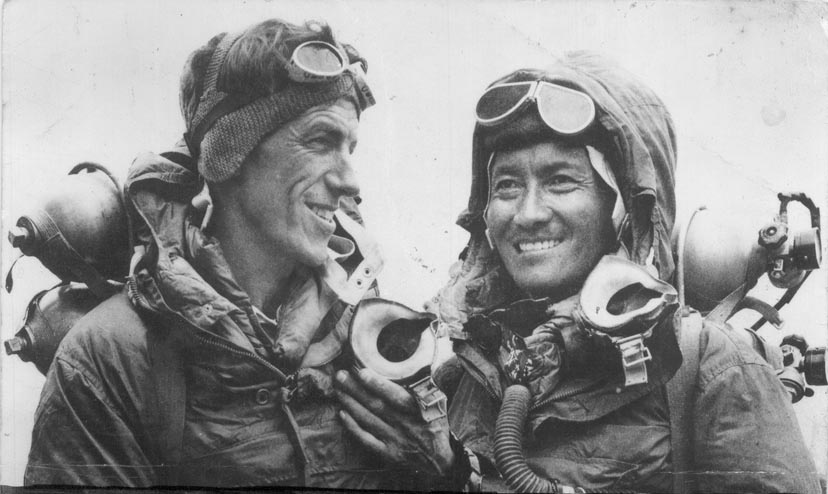
On May 28, 1934, the Dionne quintuplets—Annette, Cécile, Émilie, Marie, and Yvonne—were born prematurely in rural Ontario, becoming the first known set of quintuplets to survive infancy.
The first known quintuplets to survive infancy, the Dionne sisters became a global sensation and sparked debates on child exploitation.
On May 28, 1934, Annette, Cécile, Émilie, Marie, and Yvonne Dionne were born prematurely in rural Ontario, Canada, as the first known set of quintuplets to survive infancy. Their survival captivated the world during the Great Depression, making them a rare symbol of hope and a massive media sensation, but also a subject of ethical controversy due to their later exploitation by the government and commercial interests. The event highlighted advances in neonatal care and public fascination with multiple births, while also sparking debates over child welfare, privacy, and the role of the state in family life.
Azerbaijan Democratic Republic Declares Independence
On May 28, 1918, the Azerbaijan Democratic Republic declared independence from the Transcaucasian Democratic Federative Republic, becoming the first secular democratic republic in the Muslim world.
The first secular democratic republic in the Muslim world, Azerbaijan's independence emerged from the collapse of the Russian Empire.
On May 28, 1918, the Azerbaijan Democratic Republic declared its independence from the short-lived Transcaucasian Democratic Federative Republic, establishing the first secular democratic republic in the Muslim world. This event mattered because it marked a pivotal assertion of Azerbaijani national identity amid the collapse of the Russian Empire and the turmoil of World War I, though the republic was invaded by Bolshevik forces and dissolved in 1920. Historically, it emerged from the disintegration of imperial control in the Caucasus, reflecting the broader wave of nationalist movements following the Russian Revolution.