![[e]Photo Stream](/logo.png)
May 26
5 moments across history
Lauda Air Flight 004 crash
On May 26, 1991, Lauda Air Flight 004, a Boeing 767, crashed after an in-flight deployment of its left engine thrust reverser, killing all 223 people on board. The accident exposed a critical design flaw in the 767's reverser system, prompting Boeing to mandate hardware modifications and airlines to revise pilot training for handling such malfunctions. This disaster contributed to broader aviation safety reforms in the 1990s, highlighting the need for rigorous redundancy and crew resource management in commercial aircraft.
Lauda Air Flight 004 crash
Signing of the Anti-Ballistic Missile Treaty
Signing of the Anti-Ballistic Missile Treaty
Year: 1972
On May 26, 1972, the United States and Soviet Union signed the Anti-Ballistic Missile (ABM) Treaty, limiting each nation to two fixed land-based missile defense sites to curb an escalating arms race. This agreement mattered because it stabilized nuclear deterrence by preventing defenses that could provoke offensive buildups, becoming a key pillar of Cold War arms control for three decades. Historically, it emerged from the Strategic Arms Limitation Talks (SALT I) during détente, reflecting superpower efforts to manage tensions, and remained in force until the U.S. withdrew in 2002.
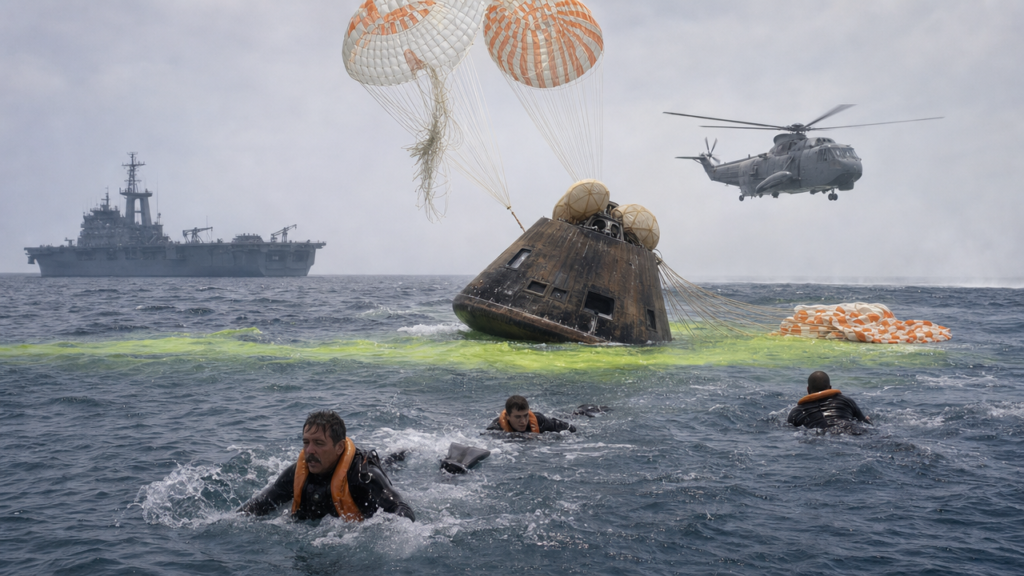
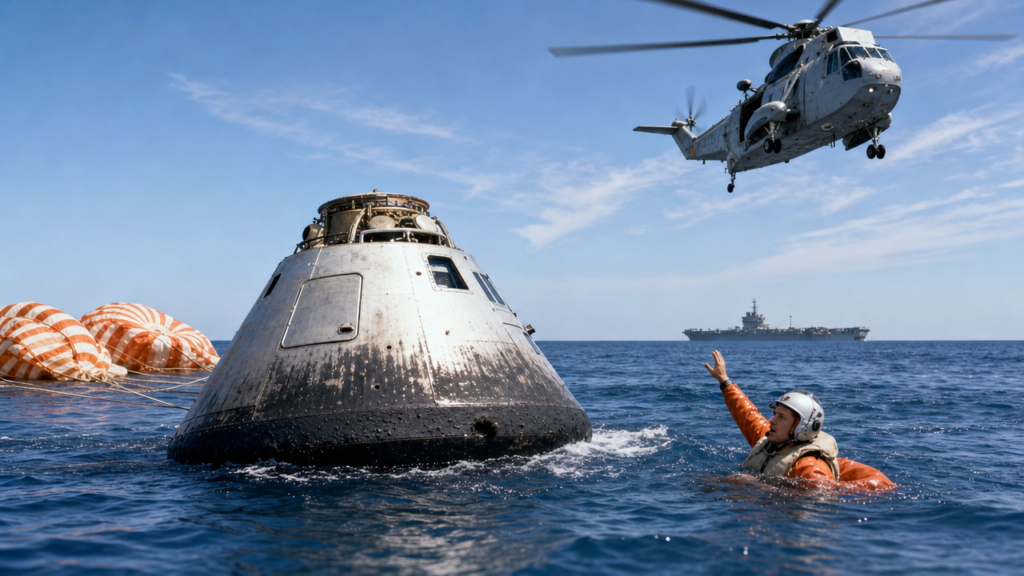
Apollo 10 Returns to Earth
Event 3
Year: 1969
On May 26, 1969, Apollo 10 safely splashed down after a successful dress rehearsal for the Moon landing, testing critical navigation and life-support systems in lunar orbit. This mission validated procedures and technologies, reducing risks for Apollo 11’s historic landing attempt planned just two months later. Set against the Cold War Space Race, Apollo 10’s flawless execution moved the United States one step closer to President Kennedy’s goal of landing a man on the Moon before the decade’s end.
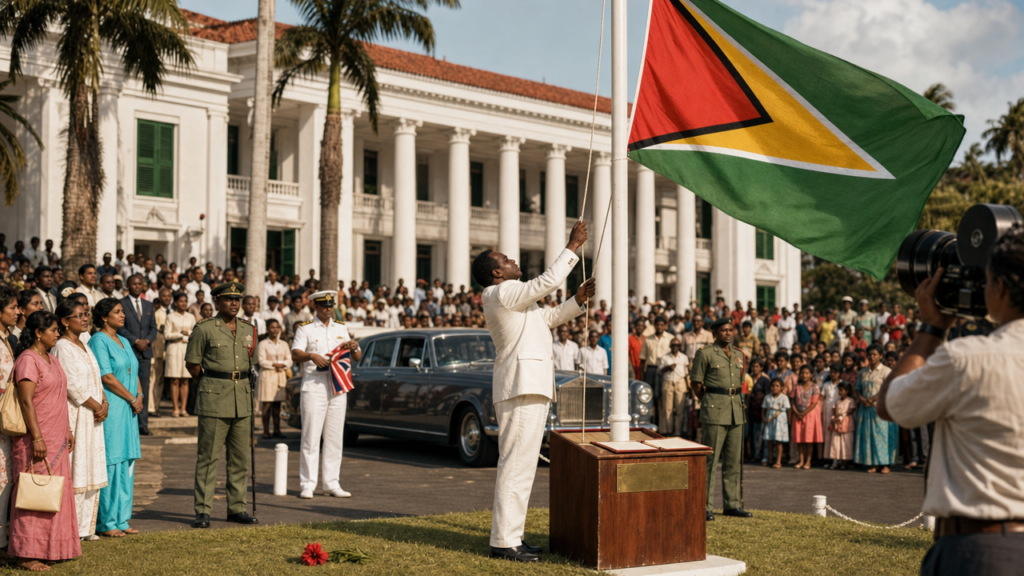
Guyana Gains Independence from the United Kingdom

Guyana Gains Independence from the United Kingdom

Year: 1966
On May 26, 1966, Guyana gained independence from the United Kingdom, ending British colonial rule and becoming a sovereign nation. This mattered because it symbolized the decolonization of the Caribbean and South America, with Guyana joining the Commonwealth as the only English-speaking country on the South American mainland. The event occurred within the broader post-World War II wave of independence movements, as former colonies across Africa, Asia, and the Americas asserted self-determination amid Cold War dynamics.
Surrender of the Trans-Mississippi Department

Surrender of the Trans-Mississippi Department

Year: 1865
On May 26, 1865, Confederate General Edmund Kirby Smith surrendered the Trans-Mississippi Department at Galveston, Texas, marking the last major surrender of Confederate forces. This effectively ended the American Civil War, as it dissolved the final organized Confederate army west of the Mississippi River and completed the reunification of the United States. The event came weeks after General Robert E. Lee’s surrender at Appomattox and ensured the full restoration of federal authority across all former Confederate territories.