![[e]Photo Stream](/logo.png)

May 22
5 moments across history
Manchester Arena Bombing (2017)
On May 22, 2017, a suicide bomber detonated a shrapnel-laden device in the foyer of Manchester Arena as concertgoers were leaving an Ariana Grande performance, killing 22 people and injuring over 800. The attack, claimed by the Islamic State, was the deadliest terrorist incident in the United Kingdom since the 2005 London bombings and highlighted the ongoing threat of jihadist extremism targeting civilian soft targets. It prompted a national security review, led to the cancellation of several major events, and sparked debates about intelligence-sharing and counterterrorism strategies in Europe.
Event 1
Joplin Tornado Devastates Missouri
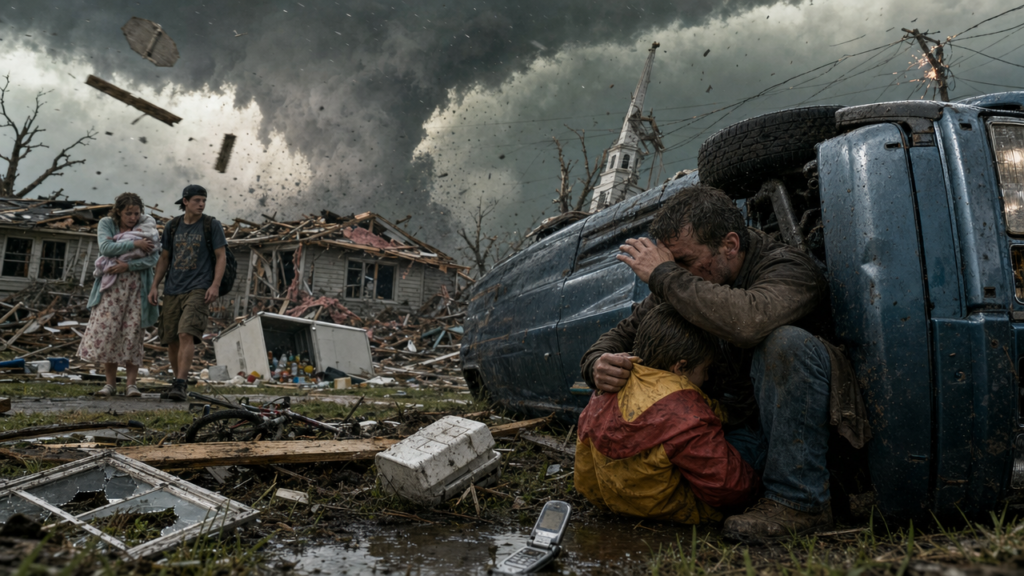
Joplin Tornado Devastates Missouri

Year: 2011
On May 22, 2011, an EF5 tornado struck Joplin, Missouri, killing 158 people and destroying thousands of homes and businesses in a densely populated area. The Joplin tornado was the deadliest single tornado in the United States since modern record-keeping began in 1950, highlighting the vulnerability of communities to extreme weather. The tragedy occurred during an exceptionally active tornado season and prompted significant improvements in tornado warning systems, emergency response, and building code enforcement across the nation.
Microsoft Releases Windows 3.0

Microsoft Releases Windows 3.0

Year: 1990
On May 22, 1990, Microsoft released Windows 3.0, a major update to its operating system that introduced improved graphics and genuine multitasking capabilities. This mattered because it marked a turning point for Windows, transforming it from a niche graphical shell into a widely adopted platform that made PCs more user-friendly and competitive with Apple’s Macintosh. Historically, Windows 3.0 helped solidify Microsoft’s dominance in the personal computer market during the early 1990s, paving the way for the graphical interface to become the standard for IBM-compatible PCs.
Ceylon becomes Republic of Sri Lanka
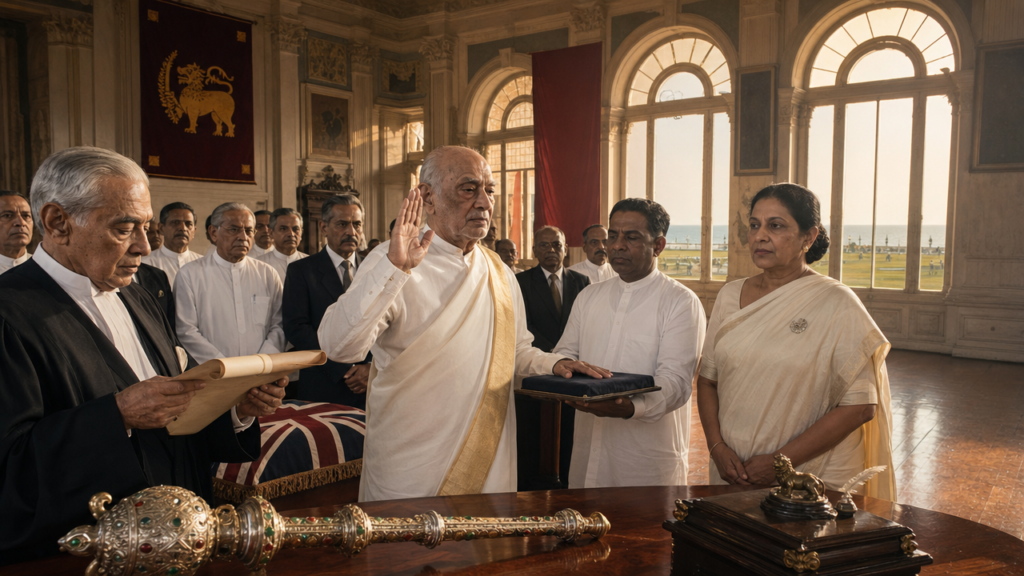
Ceylon becomes Republic of Sri Lanka
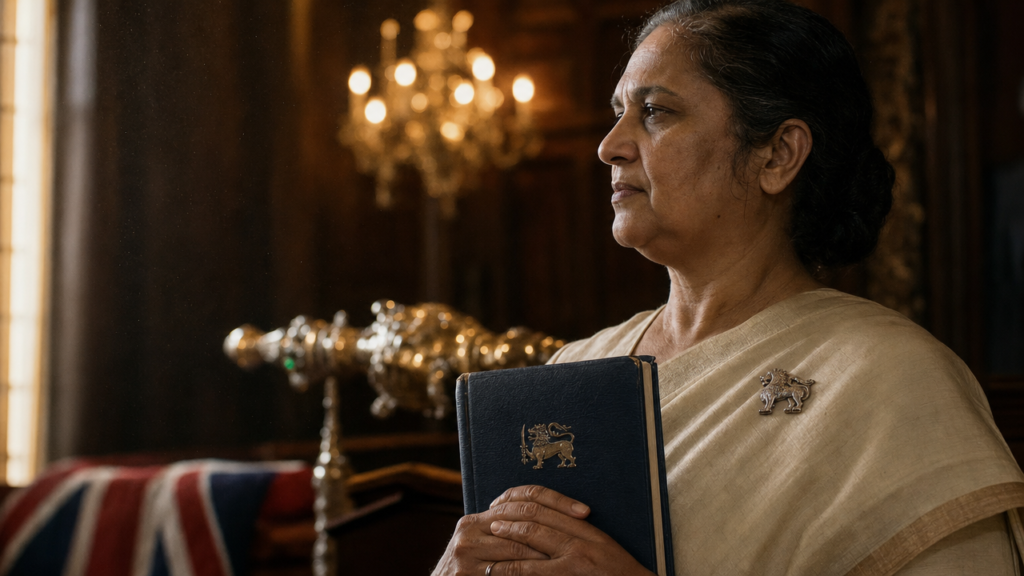
Year: 1972
On May 22, 1972, Ceylon formally adopted a new constitution, becoming the Republic of Sri Lanka and ending its status as a British dominion. This transition mattered because it severed the last formal constitutional ties to the British monarchy, asserting full sovereignty while remaining in the Commonwealth. The event reflected broader post-colonial nation-building in South Asia, where former colonies like India and Pakistan had already become republics in the 1950s.
Great Chilean Earthquake (1960)

Great Chilean Earthquake (1960)
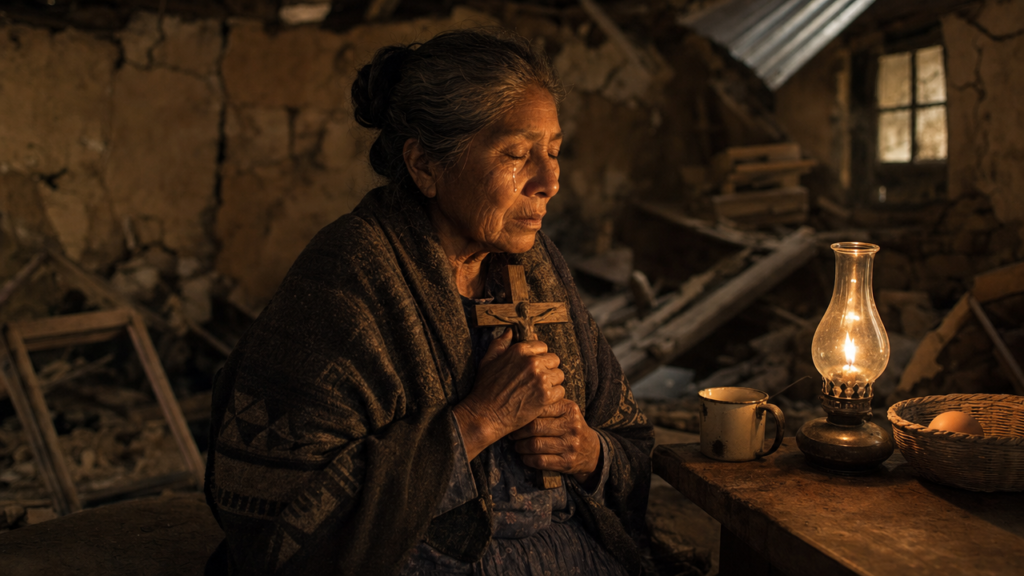
Year: 1960
On May 22, 1960, a magnitude 9.5 earthquake struck near Valdivia, Chile, triggering tsunamis that devastated coastal communities across the Pacific and causing thousands of deaths. It remains the most powerful earthquake ever recorded, reshaping scientific understanding of seismology and prompting the establishment of the Pacific Tsunami Warning System. Occurring during the Cold War, the disaster coincided with Chile’s economic struggles under President Jorge Alessandri and influenced global disaster preparedness policies.